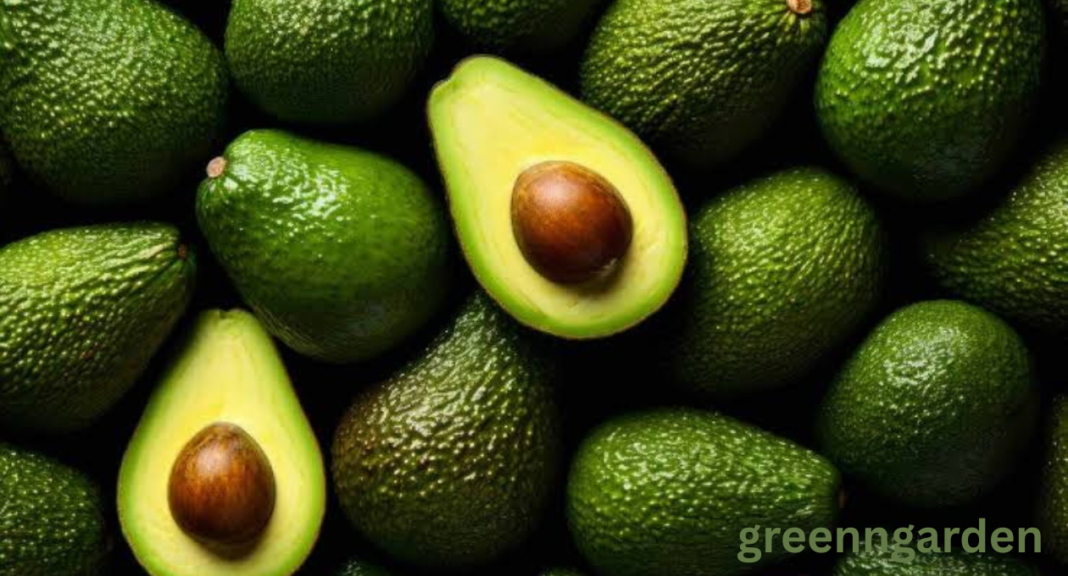

Avocados have become one of the world’s most popular fruits, prized for their creamy texture, rich flavor, and impressive nutritional benefits. From guacamole and avocado toast to smoothies and salads, demand continues to rise globally. However, shoppers have recently experienced higher prices and occasional empty shelves due to an avocado shortage. Weather challenges, supply chain disruptions, and increasing global demand have all contributed to fluctuations in avocado availability.
What Is an Avocado Shortage?
An avocado shortage occurs when the supply of avocados cannot keep up with consumer demand. This imbalance may be temporary or seasonal and often results in:
- Higher retail prices
- Reduced availability in grocery stores
- Limited supplies for restaurants
- Increased import costs
- Supply chain delays
Although avocados are grown in many countries, production is highly dependent on weather, labor, and transportation conditions.
Why Is There an Avocado Shortage?
Several factors contribute to avocado shortages around the world.
Extreme Weather Conditions
Weather is one of the biggest influences on avocado production. Trees require stable temperatures, adequate rainfall, and healthy growing conditions.
Common weather-related issues include:
- Drought
- Heatwaves
- Frost damage
- Heavy rainfall
- Hurricanes
- Strong winds
These events can reduce fruit production and delay harvests, leading to lower market supplies.
Rising Global Demand
Avocados have become increasingly popular due to their health benefits and versatility. Consumers across North America, Europe, Asia, and other regions are purchasing more avocados than ever before.
Growing demand comes from:
- Health-conscious consumers
- Restaurants and cafés
- Food manufacturers
- Meal delivery services
- International export markets
When demand grows faster than production, shortages become more likely.
Supply Chain Challenges
Even when avocado harvests are strong, transportation issues can limit availability.
Some common supply chain problems include:
- Shipping delays
- Port congestion
- Higher fuel prices
- Limited trucking capacity
- Packaging shortages
These disruptions may prevent fresh avocados from reaching retailers on time.
Labor Shortages
Harvesting avocados requires skilled agricultural workers. Labor shortages can slow harvesting and packing operations, reducing the amount of fruit reaching consumers.
Labor challenges may include:
- Seasonal worker shortages
- Rising labor costs
- Immigration restrictions
- Workforce availability
These issues can affect production in major avocado-growing regions.
Plant Diseases and Pests
Like many fruit crops, avocado trees face threats from diseases and insect pests.
Some common concerns include:
- Root rot
- Fungal infections
- Beetle infestations
- Tree stress caused by drought
Disease outbreaks may reduce orchard productivity for several growing seasons.
Major Avocado-Producing Countries
Several countries supply most of the world’s avocados.
Mexico
Mexico is the world’s largest avocado producer and exporter. Many countries rely heavily on Mexican avocados throughout the year.
Peru
Peru is another significant exporter, particularly during months when production slows elsewhere.
California (United States)
California produces high-quality Hass avocados but experiences seasonal harvests that cannot always meet national demand.
Chile
Chile supplies both domestic and international markets and helps stabilize global availability.
Kenya and South Africa
African producers continue expanding exports as worldwide demand grows.
How the Avocado Shortage Affects Consumers
Consumers often notice shortages through higher prices and fewer choices.
Effects include:
- Increased grocery bills
- Smaller fruit sizes
- Purchase limits at some retailers
- More imported avocados
- Less consistent quality
Restaurants may also adjust menus or increase prices for avocado-based dishes.
Impact on Farmers
Shortages do not always benefit growers. Farmers face many rising production costs.
Challenges include:
- Higher fertilizer prices
- Increased irrigation expenses
- Labor costs
- Pest management
- Transportation fees
While prices may increase, production costs often rise as well.
Can Climate Change Affect Future Avocado Supplies?
Climate change is expected to influence avocado farming in many regions.
Possible impacts include:
- More frequent droughts
- Unpredictable rainfall
- Increased temperatures
- Water shortages
- New pest outbreaks
Many growers are investing in water-efficient irrigation systems and sustainable farming practices to adapt.
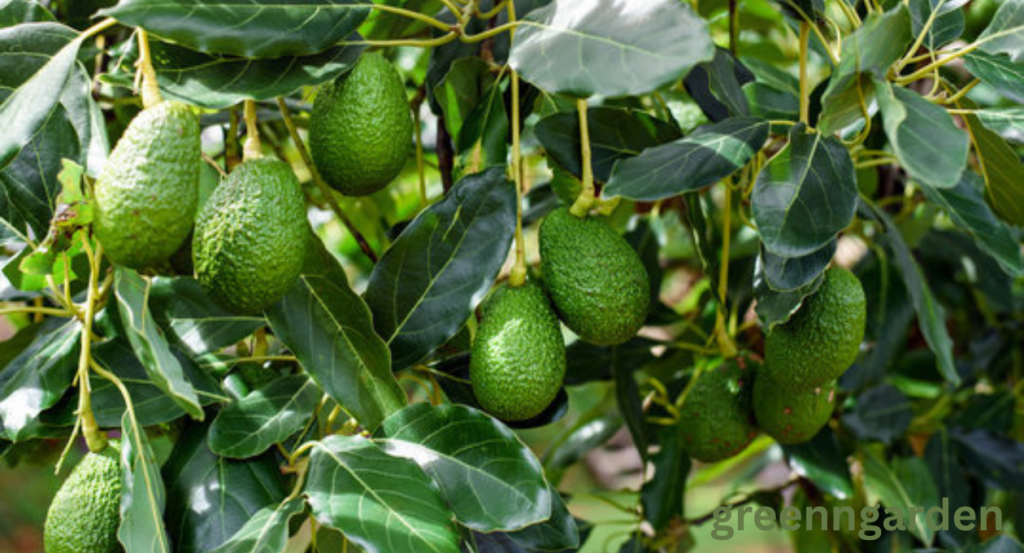
How Businesses Respond to Avocado Shortages
Food businesses often adjust operations during periods of limited supply.
Common strategies include:
- Sourcing from additional countries
- Adjusting menu prices
- Offering seasonal alternatives
- Improving inventory management
- Reducing food waste
These measures help maintain product availability despite supply fluctuations.
Tips for Consumers During an Avocado Shortage
If avocados become expensive or difficult to find, consider these practical tips.
Buy Seasonal Produce
Prices are often lower when harvests are at their peak.
Purchase Slightly Unripe Avocados
Firm avocados usually ripen within a few days at room temperature.
Store Properly
Refrigerate ripe avocados to extend freshness and reduce waste.
Consider Alternatives
Healthy substitutes include:
- Hummus
- Greek yogurt spreads
- Mashed peas
- Nut butters for certain recipes
While they won’t perfectly replace avocados, they can work well in many meals.
Will the Avocado Shortage End?
Most avocado shortages are temporary and improve as new harvests enter the market. Increased planting in several countries is expected to support long-term supply.
However, weather conditions, transportation challenges, and global demand will continue to influence avocado availability and pricing.
Consumers may still experience occasional seasonal shortages, but worldwide production continues to expand.
Faqs
Why are avocados becoming more expensive?
Prices increase when supply decreases due to poor weather, transportation issues, labor shortages, or rising global demand.
Which country produces the most avocados?
Mexico is the largest producer and exporter of avocados in the world.
Are avocado shortages seasonal?
Yes. Seasonal harvest patterns often affect supply, although weather and logistics can also create unexpected shortages.
Can climate change reduce avocado production?
Yes. Drought, heatwaves, and changing rainfall patterns may reduce yields in some growing regions.
Should consumers worry about long-term avocado shortages?
While temporary shortages are possible, global avocado production continues to grow, helping meet increasing demand over time.
Conclusion
The avocado shortage is the result of several interconnected factors, including extreme weather, rising global demand, labor shortages, transportation disruptions, and plant health challenges. Although these issues can lead to higher prices and limited availability, the situation is often temporary as new harvests reach the market. With continued investment in sustainable farming, improved supply chains, and expanding production in multiple countries, the global avocado industry is working to meet growing consumer demand while building a more resilient future.