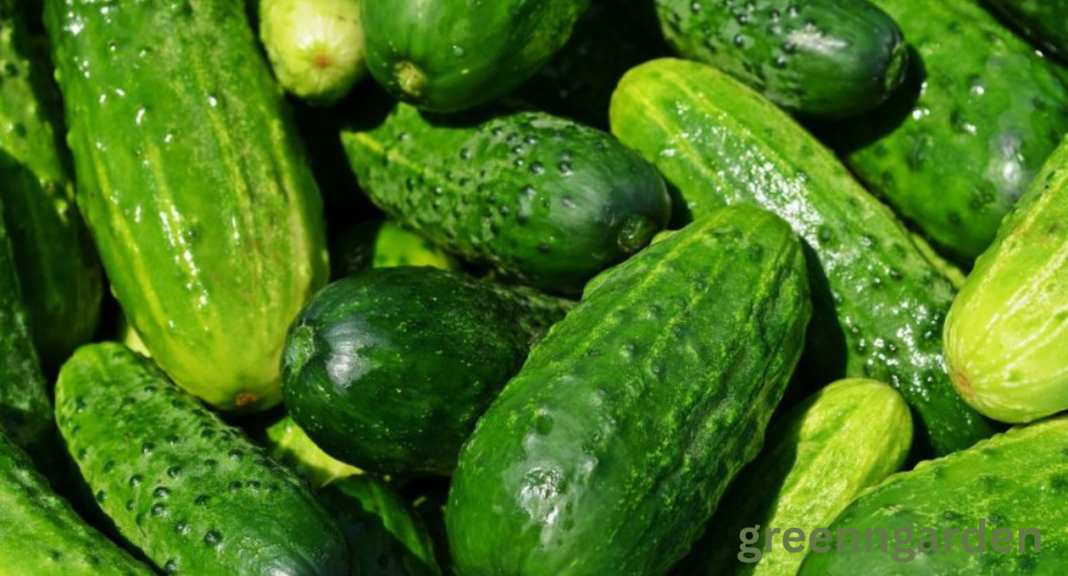

Pickles are a popular food enjoyed around the world as a snack, sandwich topping, or side dish. From classic dill pickles to sweet bread-and-butter varieties, they have become a pantry staple in many households. However, reports of a pickle shortage have raised concerns among consumers and retailers. Empty shelves, limited product choices, and rising prices have left many wondering what is causing the shortage.
What Is the Pickle Shortage?
A pickle shortage occurs when manufacturers cannot produce enough pickles to meet consumer demand. Since pickles are made primarily from cucumbers, any disruption in cucumber production or food manufacturing can reduce the overall supply.
The shortage may be regional or affect multiple countries depending on weather conditions, farming challenges, and transportation issues.
Main Causes of the Pickle Shortage
Poor Cucumber Harvests
The most common reason for a pickle shortage is a reduced cucumber harvest. Pickling cucumbers require favorable growing conditions to produce healthy crops.
Several factors can lower harvest yields, including:
- Drought conditions
- Heavy rainfall
- Flooding
- Heatwaves
- Unexpected frost
When cucumber production declines, pickle manufacturers have fewer raw materials available.
Extreme Weather Events
Climate change has made farming more unpredictable. Cucumbers are sensitive to temperature fluctuations and excessive moisture.
Weather-related challenges include:
- Extended droughts reducing irrigation supplies
- Storms damaging crops
- Excessive humidity increasing plant diseases
- Heat stress lowering cucumber quality
Poor weather can affect entire growing seasons, reducing the number of cucumbers available for pickling.
Labor Shortages
Harvesting cucumbers requires seasonal workers, especially during peak production months.
Labor shortages may result from:
- Fewer available farm workers
- Rising labor costs
- Immigration restrictions
- Increased competition for agricultural labor
Without enough workers, some cucumbers may not be harvested before they become overripe.
Increased Consumer Demand
Demand for pickles has grown steadily in recent years due to changing eating habits and new food trends.
Factors driving demand include:
- Popularity of burgers and sandwiches
- Healthy snacking options
- Fermented food trends
- Growth in fast-food restaurants
- Increased home cooking
When demand rises faster than production, shortages become more noticeable.
Supply Chain Disruptions
Even when cucumber harvests are good, supply chain issues can delay pickle production and distribution.
Challenges include:
- Packaging shortages
- Higher transportation costs
- Delays in shipping ingredients
- Limited availability of glass jars and lids
- Distribution bottlenecks
These issues can slow deliveries to grocery stores.
Why Glass Jar Shortages Matter
Pickles are commonly sold in glass jars that preserve freshness and flavor.
Manufacturers have occasionally faced shortages of:
- Glass containers
- Metal lids
- Packaging materials
- Labels
Without enough packaging, finished pickles may remain in storage until containers become available.
Which Countries Produce the Most Pickling Cucumbers?
Several countries contribute significantly to cucumber production for both fresh consumption and pickling.
United States
The United States grows millions of pounds of cucumbers every year, especially in states like:
- Michigan
- Wisconsin
- North Carolina
- Florida
- Texas
Many of these cucumbers are specifically grown for pickle production.
India
India is one of the world’s largest cucumber producers and exports cucumbers to various international markets.
China
China leads global cucumber production and supplies both domestic and export markets.
Turkey
Turkey has a long tradition of producing cucumbers and pickled vegetables for local consumption and export.
How the Pickle Shortage Affects Consumers
Higher Grocery Prices
Reduced supply often leads to higher prices.
Consumers may notice:
- More expensive pickle jars
- Fewer promotional discounts
- Premium prices for specialty brands
Limited Product Selection
Stores may carry fewer varieties during shortages.
Products sometimes affected include:
- Dill pickles
- Sweet pickles
- Bread-and-butter pickles
- Pickle spears
- Pickle chips
Popular brands may sell out quickly.
Restaurant Challenges
Restaurants use pickles in many menu items, including:
- Burgers
- Sandwiches
- Hot dogs
- Salads
Some restaurants may reduce portion sizes or temporarily switch suppliers during shortages.
Impact on Food Manufacturers
Pickle manufacturers face several operational challenges during supply shortages.
These include:
- Higher cucumber prices
- Increased packaging costs
- Transportation delays
- Rising energy expenses
- Lower production volumes
These additional costs may eventually be passed on to consumers.
How Farmers and Manufacturers Are Responding
Expanding Cucumber Production
Some growers are planting more acres of pickling cucumbers to increase supply.
Improved Irrigation Systems
Modern irrigation methods help farmers reduce the effects of drought while improving crop quality.
Disease-Resistant Varieties
Agricultural researchers continue developing cucumber varieties that offer:
- Better disease resistance
- Higher yields
- Improved heat tolerance
- Greater consistency
Better Supply Chain Management
Manufacturers are diversifying suppliers and improving inventory planning to reduce future shortages.
Can Homemade Pickles Help?
Many consumers choose to make homemade pickles when store supplies become limited.
Benefits include:
- Fresh ingredients
- Lower long-term costs
- Custom flavors
- Less dependence on store availability
Home pickling has become increasingly popular among gardening enthusiasts.
Will the Pickle Shortage Continue?
The future of pickle supplies depends on several factors, including weather conditions, cucumber harvests, labor availability, and transportation efficiency.
If growing conditions improve and supply chains stabilize, pickle availability should gradually return to normal. However, seasonal shortages may still occur due to climate-related challenges and changing consumer demand.
Tips for Consumers During a Pickle Shortage
If pickles become difficult to find, consider these tips:
- Buy local brands when available.
- Shop at farmers’ markets during cucumber season.
- Try homemade pickling recipes.
- Purchase larger jars if available.
- Compare prices across different stores.
- Stock up moderately during sales without overbuying.
Conclusion
The pickle shortage is driven by several interconnected factors, including reduced cucumber harvests, extreme weather, labor shortages, supply chain disruptions, packaging challenges, and rising consumer demand. These issues have resulted in higher prices and limited product availability in some regions.
Despite these challenges, farmers and manufacturers are investing in improved farming techniques, disease-resistant cucumber varieties, and stronger supply chains. While temporary shortages may continue from time to time, ongoing improvements in agriculture and food production should help stabilize the pickle market in the future.
FAQs
Why is there a pickle shortage?
The shortage is mainly caused by reduced cucumber harvests, extreme weather, labor shortages, packaging issues, and supply chain disruptions.
Are pickle prices increasing?
Yes. Limited supplies and higher production costs have contributed to rising retail prices in many markets.
Is the shortage affecting all pickle brands?
Not necessarily. Some brands may experience supply issues while others maintain adequate inventory depending on their sourcing and production capacity.
Can I make pickles at home?
Yes. Homemade pickles are a simple alternative using fresh cucumbers, vinegar, salt, spices, and clean jars.
Will pickle supplies return to normal?
In most cases, yes. As cucumber harvests improve and supply chains recover, pickle availability is expected to stabilize, though seasonal fluctuations may still occur.