

Spinach Shortage is one of the world’s most widely consumed leafy vegetables, valued for its versatility, affordability, and exceptional nutritional benefits. Whether added to salads, soups, smoothies, curries, pasta, or sandwiches, spinach has become an essential part of diets across many cultures. Rich in iron, vitamin K, vitamin A, folate, fiber, and antioxidants, it is often promoted as a “superfood” that supports overall health.
Despite its popularity, spinach has experienced periodic shortages in several countries over the past few years. Consumers have noticed empty supermarket shelves, restaurants have struggled to maintain menu items, and food manufacturers have faced increased production costs due to inconsistent supplies. While shortages may appear to be a simple issue of low production, the reality is much more complex. The spinach supply chain depends on weather, labor availability, transportation networks, disease management, consumer demand, and global economic conditions. When multiple challenges occur simultaneously, the result can be a significant disruption in supply.
Why Is There a Spinach Shortage?
A spinach shortage rarely occurs because of a single problem. Instead, it is usually the result of several interconnected factors that affect different stages of production and distribution.
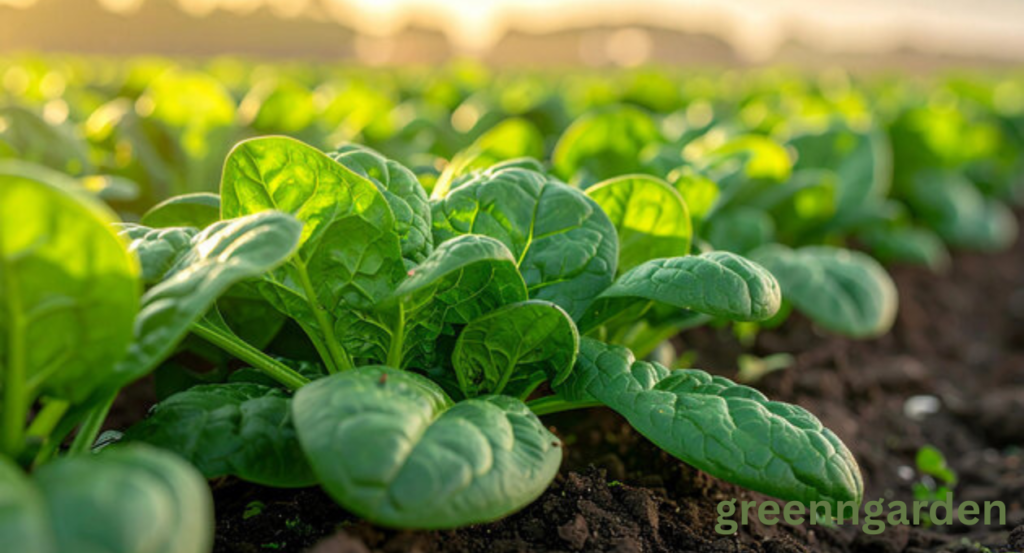
Spinach is a delicate crop that grows best under cool temperatures. Unlike many vegetables, it has a relatively short growing season and is highly sensitive to environmental changes. This makes production vulnerable to weather fluctuations, pests, and diseases.
At the same time, spinach has a very short shelf life after harvest. Even a small delay in transportation or storage can make large quantities unsuitable for sale. As a result, disruptions anywhere in the supply chain can quickly affect supermarket availability.
Climate Change and Extreme Weather
One of the most significant contributors to spinach shortages is changing weather patterns.
Climate change has increased the frequency of extreme weather events worldwide. Farmers now face prolonged droughts, excessive rainfall, unexpected frosts, and intense heat waves that reduce spinach yields.
For example, temperatures above the ideal growing range can cause spinach plants to “bolt,” meaning they produce flowers earlier than expected. Once bolting occurs, the leaves become bitter and unsuitable for commercial sale.
Heavy rainfall presents another challenge. Waterlogged soil increases the risk of root diseases and fungal infections while making fields inaccessible for harvesting equipment.
Drought conditions also reduce production because spinach requires consistent moisture throughout its growth cycle. Limited water availability forces some farmers to reduce planting areas or abandon crops altogether.
As climate variability continues to increase, maintaining stable spinach production has become increasingly difficult.
Crop Diseases and Plant Health Challenges
Spinach is vulnerable to several plant diseases, but one of the most damaging is downy mildew.
Downy mildew is a fungal-like disease that spreads rapidly under cool and humid conditions. Once established, it infects spinach leaves, making them unsuitable for consumption. Entire fields can become unusable within a short period.
Although scientists continue developing disease-resistant spinach varieties, pathogens evolve over time, creating new strains capable of overcoming previous resistance.
Other threats include:
- Leaf spot diseases
- Root rot
- Aphids
- Leaf miners
- Caterpillars
- Fungal infections
Farmers often need additional pesticides, fungicides, and crop management practices to control these problems. However, these treatments increase production costs and do not always guarantee successful harvests.
Labor Shortages in Agriculture
Modern agriculture depends heavily on seasonal labor.
Spinach must often be harvested quickly to maintain freshness and quality. If farms cannot find enough workers during harvest season, crops may remain in the fields too long, reducing both quality and market value.
Many agricultural regions have experienced labor shortages due to:
- Aging farming populations
- Reduced availability of seasonal workers
- Immigration policy changes
- Rising labor costs
- Competition from other industries
Labor shortages not only reduce harvested volumes but also increase operating expenses for growers.
Supply Chain Disruptions
Fresh spinach is highly perishable.
Unlike grains or canned foods, spinach requires refrigerated transportation and rapid delivery from farms to retailers.
Supply chain disruptions—including truck shortages, rising fuel prices, shipping delays, warehouse limitations, and transportation strikes—can significantly reduce the amount of spinach reaching stores.
The COVID-19 pandemic demonstrated how vulnerable food supply chains can become. Temporary labor shortages, transportation restrictions, and changing consumer demand created widespread disruptions across agricultural markets, including leafy vegetables.
Even today, many supply chains continue adjusting to higher logistics costs and changing global trade conditions.
Rising Production Costs
Growing spinach has become considerably more expensive than it was just a decade ago.
Farmers now face higher prices for:
- Seeds
- Fertilizers
- Irrigation
- Fuel
- Farm machinery
- Packaging materials
- Refrigeration
- Transportation
- Labor
These rising costs reduce profit margins and sometimes encourage growers to switch to more profitable crops.
If fewer farmers choose to grow spinach, market supply naturally declines, increasing retail prices.
Increasing Consumer Demand
While production has become more challenging, demand continues growing.
Health-conscious consumers increasingly choose spinach because of its impressive nutritional profile. Dietitians frequently recommend leafy greens as part of balanced diets, while fitness enthusiasts commonly add spinach to smoothies and meal plans.
Restaurants, cafés, food manufacturers, frozen food companies, and meal-kit services also purchase large volumes every week.
When demand remains strong but production decreases, shortages become unavoidable.
Economic Impact of Spinach Shortages
A prolonged spinach shortage affects every participant in the food supply chain.
Consumers pay higher grocery prices.
Restaurants either absorb increased ingredient costs or pass those costs to customers through higher menu prices.
Food manufacturers may reformulate products using alternative vegetables.
Retailers experience inventory shortages, reducing customer satisfaction.
Farmers may receive higher prices for successful harvests, but many still suffer financial losses if poor weather or disease significantly reduces production.
Overall, shortages create economic uncertainty throughout the agricultural sector.
Nutritional Alternatives During Shortages
Although spinach offers many nutritional benefits, several vegetables provide similar nutrients.
Good alternatives include:
- Kale
- Swiss chard
- Collard greens
- Mustard greens
- Bok choy
- Romaine lettuce
- Arugula
- Beet greens
These vegetables contain varying amounts of vitamins A, C, K, calcium, iron, potassium, and dietary fiber, making them practical substitutes in many recipes.
Consumers can also purchase frozen spinach, which typically remains available longer because it can be stored for several months without significant nutrient loss.
How Farmers Are Responding
Agricultural innovation plays an important role in improving spinach production.
Many farms are investing in:
- Precision irrigation systems
- Greenhouse cultivation
- Disease-resistant seed varieties
- Soil health management
- Crop rotation
- Climate monitoring technology
- Automated harvesting equipment
These practices improve efficiency while reducing vulnerability to environmental challenges.
Some farms are also adopting vertical farming systems that grow spinach indoors under carefully controlled conditions. Although production costs remain relatively high, vertical farming reduces weather-related risks and allows year-round production.
The Future of Spinach Production
Experts believe spinach production will continue facing challenges due to climate change and evolving plant diseases.
However, scientific research offers reasons for optimism.
Plant breeders continue developing stronger spinach varieties capable of resisting diseases while maintaining high nutritional quality.
Artificial intelligence, satellite monitoring, and precision agriculture technologies are helping farmers make better decisions about irrigation, fertilization, and pest management.
Governments and agricultural organizations are also investing in sustainable farming practices that improve long-term food security.
As these innovations become more widely adopted, spinach supplies are expected to become more stable despite ongoing environmental pressures.
What Consumers Can Do
While individuals cannot solve agricultural shortages alone, they can make purchasing decisions that support a more resilient food system.
Consumers can:
- Buy only the amount of spinach they will use.
- Store spinach properly to reduce waste.
- Choose frozen spinach when fresh supplies are limited.
- Support local farmers and seasonal produce.
- Explore alternative leafy greens to diversify their diets.
These small actions help reduce unnecessary demand pressure while encouraging sustainable agricultural practices.
Conclusion
The spinach shortage is a complex issue driven by climate change, crop diseases, labor shortages, rising production costs, transportation challenges, and increasing global demand. Because spinach is both highly perishable and environmentally sensitive, even small disruptions can have significant effects on availability and pricing.
Addressing these challenges requires cooperation among farmers, researchers, governments, retailers, and consumers. Investments in sustainable agriculture, disease-resistant crops, advanced farming technologies, and stronger supply chains will play a critical role in securing future spinach production.
Although temporary shortages may continue to occur, ongoing innovation in agriculture provides hope that spinach will remain an accessible and nutritious food for people around the world in the years to come.