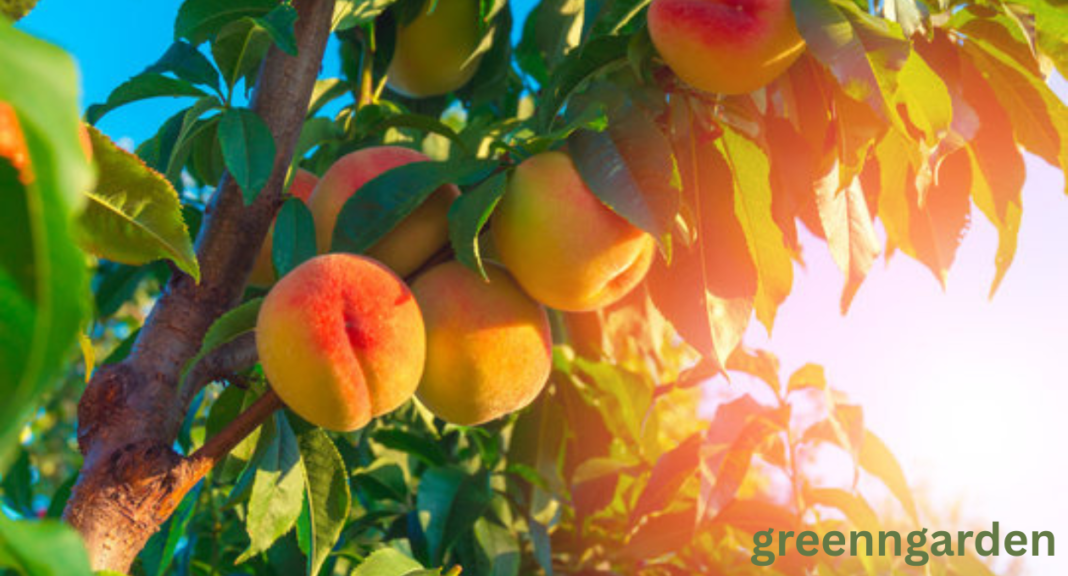

Peaches are one of the most popular summer fruits, loved for their sweet flavor, juicy texture, and versatility in desserts, salads, and snacks. However, in recent years, consumers in some regions have noticed fewer peaches on store shelves and higher prices during the growing season. A peach shortage can occur for several reasons, including extreme weather, crop diseases, labor shortages, transportation issues, and changing farming practices.
What Is a Peach Shortage?
A peach shortage happens when the supply of peaches is lower than consumer demand. This imbalance can lead to:
- Higher prices
- Limited availability in grocery stores
- Reduced exports
- Smaller fruit sizes
- Seasonal supply disruptions
Not every region experiences a shortage at the same time. Production varies depending on local weather and growing conditions.
Main Causes of a Peach Shortage
Extreme Weather Conditions
Weather is one of the biggest factors affecting peach production.
Late Spring Frosts
Peach trees bloom early in the season. If freezing temperatures arrive after blossoms appear, flowers can be damaged, preventing fruit from developing.
Drought
Extended dry periods reduce fruit growth and can lower the overall harvest.
Heavy Rain
Too much rain may cause fruit cracking, fungal diseases, and reduced fruit quality.
Hailstorms
Hail can bruise or destroy peaches before they are ready for harvest.
Climate Change
Changing climate patterns have made weather less predictable.
Growers increasingly face:
- Warmer winters
- Unexpected freezes
- Longer heat waves
- Irregular rainfall
These conditions make peach farming more challenging and can reduce annual yields.
Plant Diseases
Several diseases affect peach orchards.
Common examples include:
- Brown rot
- Peach leaf curl
- Bacterial spot
- Root diseases
Disease outbreaks can reduce fruit quality and decrease harvest volumes.
Pest Problems
Insects also threaten peach crops.
Common pests include:
- Oriental fruit moth
- Plum curculio
- Aphids
- Scale insects
Farmers use integrated pest management techniques to minimize crop damage, but severe infestations can still reduce production.
Labor Shortages
Harvesting peaches requires skilled workers because ripe fruit bruises easily.
When farms experience labor shortages, some fruit may remain unpicked, reducing the amount available for sale.
Transportation Challenges
Even after peaches are harvested, supply chain issues can create shortages.
Problems may include:
- Truck shortages
- Higher fuel costs
- Shipping delays
- Refrigeration problems
These factors can reduce the amount of fresh fruit reaching stores on time.
How a Peach Shortage Affects Consumers
Higher Prices
Lower supply usually leads to increased prices, especially during peak demand in summer.
Limited Availability
Some grocery stores may receive fewer shipments, resulting in empty shelves or purchase limits.
Reduced Variety
Stores may stock only the most popular peach varieties instead of offering a wider selection.
Smaller Fruit
Stress from drought or weather conditions sometimes produces smaller peaches.
Impact on Farmers
Peach growers face several challenges during shortages.
Lower Income
Smaller harvests often mean fewer peaches to sell.
Higher Production Costs
Farmers may spend more on:
- Irrigation
- Pest control
- Disease management
- Labor
- Crop protection
Increased Financial Risk
Repeated crop failures can make peach farming less profitable and discourage new growers.
Which Regions Produce the Most Peaches?
Many countries grow peaches commercially.
Major producers include:
- China
- Spain
- Italy
- Greece
- Turkey
- United States
Within the United States, states such as California, South Carolina, Georgia, and New Jersey are well known for peach production.
A poor harvest in one major producing region can affect prices elsewhere.
Can Frozen and Canned Peaches Help?
Yes. Frozen and canned peaches provide excellent alternatives when fresh peaches are scarce.
Benefits include:
- Longer shelf life
- Available year-round
- Convenient for baking and smoothies
- Often more affordable during shortages
Choose products packed in water or natural juice if you want to reduce added sugar.
How Farmers Reduce Future Shortages
Growers continue adopting new methods to improve harvest reliability.
Improved Irrigation
Efficient irrigation systems help conserve water during droughts.
Disease-Resistant Varieties
Scientists continue developing peach varieties that better resist common diseases.
Frost Protection
Some orchards use wind machines, sprinklers, or heaters to protect blossoms from freezing temperatures.
Better Pest Management
Integrated pest management reduces crop losses while minimizing pesticide use.
Modern Farming Technology
Farmers increasingly use weather forecasting, soil monitoring, and precision agriculture to improve orchard management.
Tips for Consumers During a Peach Shortage
Buy Local
Local farmers’ markets may have fresh peaches even when supermarkets have limited supplies.
Shop in Season
Peaches are generally more available and affordable during the local harvest season.
Preserve Extra Fruit
If peaches become available, consider:
- Freezing slices
- Making jam
- Canning peaches
- Drying them for snacks
Try Similar Fruits
If peaches are unavailable, you can substitute:
- Nectarines
- Apricots
- Plums
- Mangoes
These fruits offer similar sweetness and texture in many recipes.
Will the Peach Shortage Continue?
Peach production changes from year to year. While temporary shortages are common after severe weather or poor harvests, growers often recover in the following seasons if conditions improve.
Long-term availability will depend on:
- Climate patterns
- Farming innovations
- Water resources
- Pest management
- Labor availability
Consumers may continue to see occasional fluctuations in supply and prices, but peaches are expected to remain an important fruit crop worldwide.
FAQs
Why are peaches becoming harder to find?
Poor weather, frost damage, drought, transportation challenges, and crop diseases can all reduce peach supplies.
Why are peach prices increasing?
Lower production combined with steady consumer demand often results in higher retail prices.
Are canned peaches a good substitute?
Yes. Canned peaches provide a convenient alternative and retain many nutrients, especially when packed in natural juice.
Which weather event causes the most peach damage?
Late spring frosts are among the most damaging because they can destroy blossoms before fruit develops.
Can climate change affect peach production?
Yes. Rising temperatures, unpredictable weather, droughts, and extreme storms can all impact peach harvests.
Conclusion
A peach shortage is usually the result of multiple factors, including extreme weather, climate change, pests, diseases, labor shortages, and transportation challenges. These issues can reduce harvests, increase prices, and limit availability in stores. While shortages may be frustrating for consumers, farmers continue adopting improved growing techniques, better irrigation systems, and disease-resistant varieties to protect future crops. Buying local, choosing seasonal fruit, and using frozen or canned peaches are practical ways to enjoy peaches even when fresh supplies are limited.