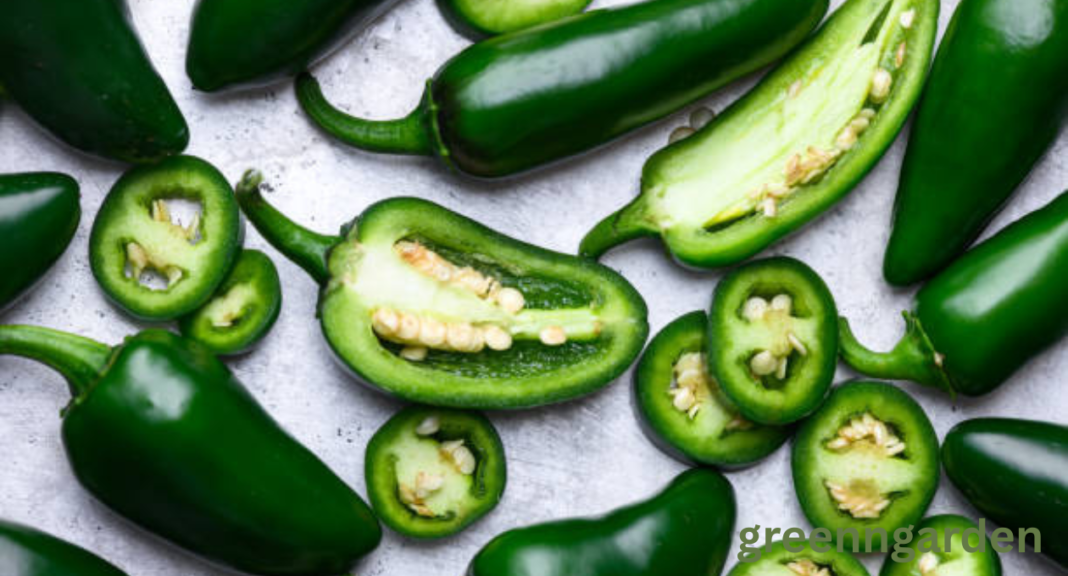

Jalapeños are one of the most popular chili peppers in the world, adding flavor and mild heat to countless dishes. From fresh salsas and tacos to pizzas and burgers, they are a staple ingredient in many cuisines. However, reports of a jalapeño shortage have raised concerns among consumers, restaurants, and food manufacturers.
While shortages may not affect every region equally, supply disruptions can lead to higher prices and limited availability. In this article, we’ll explore what causes a jalapeño shortage, how it affects the food industry, and what consumers can do during periods of reduced supply.
What Is a Jalapeño Shortage?
A jalapeño shortage occurs when the demand for jalapeños exceeds the available supply. This imbalance can result from poor harvests, transportation issues, labor shortages, or increased consumer demand.
Depending on the severity of the shortage, grocery stores may receive fewer shipments, restaurants may adjust their menus, and prices may temporarily rise.
Why Is There a Jalapeño Shortage?
Several factors can contribute to lower jalapeño production and supply.
Extreme Weather Conditions
Jalapeños grow best in warm, sunny climates with consistent temperatures. Severe weather events such as droughts, excessive rainfall, floods, hurricanes, or unexpected frosts can damage crops and reduce harvest yields.
Climate variability has become one of the biggest challenges for pepper growers worldwide.
Plant Diseases and Pests
Pepper crops can be affected by diseases and insects that reduce both quality and production. Common problems include fungal diseases, bacterial infections, aphids, and spider mites.
Farmers often spend additional time and resources managing these issues to protect their harvests.
Labor Shortages
Harvesting jalapeños is labor-intensive. A shortage of agricultural workers can delay harvesting, leaving ripe peppers in the field longer than expected and reducing overall supply.
Transportation and Supply Chain Issues
Even when farmers produce healthy crops, transportation delays, fuel costs, shipping disruptions, or warehouse shortages can slow deliveries to retailers.
Supply chain challenges can make local shortages worse even when peppers are available elsewhere.
Growing Consumer Demand
Demand for spicy foods continues to grow. Jalapeños are widely used in restaurants, packaged foods, sauces, frozen meals, and home cooking.
When demand rises faster than production, temporary shortages can occur.
How Does a Jalapeño Shortage Affect Consumers?
A shortage can influence both availability and pricing.
Higher Grocery Prices
When supplies become limited, retailers may increase prices due to higher wholesale costs.
Limited Product Availability
Fresh jalapeños may sell out more quickly, and some stores may temporarily reduce inventory until new shipments arrive.
Restaurant Menu Changes
Restaurants that rely on fresh jalapeños may substitute other peppers or temporarily remove certain menu items.
Industries Most Affected
Several industries depend heavily on a steady supply of jalapeños.
Restaurants
Mexican, Tex-Mex, barbecue, burger, and pizza restaurants often use fresh jalapeños in multiple dishes.
Food Manufacturers
Companies producing salsa, nacho toppings, hot sauces, frozen foods, and snack products may experience increased production costs during shortages.
Grocery Retailers
Retailers must carefully manage inventory and source peppers from multiple suppliers when supplies tighten.
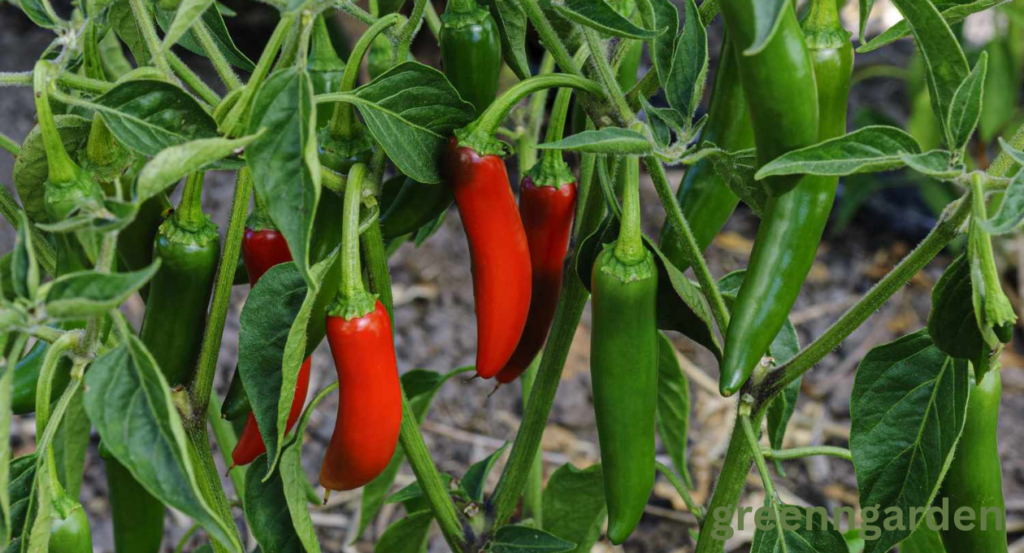
Can Farmers Reduce Future Shortages?xd6
Many growers are adopting new farming practices to improve crop resilience.
Improved Irrigation
Modern irrigation systems help conserve water while providing peppers with consistent moisture.
Disease-Resistant Varieties
Researchers continue developing pepper varieties that better resist pests and diseases.
Greenhouse Production
Some farms grow peppers in protected environments, reducing weather-related risks and extending the growing season.
Diversified Supply Sources
Importing peppers from different growing regions helps stabilize supply when one area experiences poor harvests.
What Can Consumers Do During a Jalapeño Shortage?
If jalapeños become difficult to find, several practical options are available.
Buy Seasonal Produce
Shopping when peppers are in peak season often improves availability and price.
Freeze Fresh Jalapeños
Fresh jalapeños freeze well. Buying extra when prices are lower can provide a supply for future use.
Try Alternative Peppers
Several peppers offer similar flavor profiles depending on your preferred spice level.
Popular alternatives include:
- Serrano peppers
- Fresno peppers
- Anaheim peppers
- Banana peppers
- Poblano peppers
- Bell peppers (for mild recipes)
Will the Jalapeño Shortage Last?
Most produce shortages are temporary. As growing conditions improve and new harvests enter the market, supplies often recover.
The duration depends on weather, crop health, transportation, and overall agricultural production.
Consumers should expect availability to improve once harvesting resumes in major pepper-producing regions.
Tips for Buying Jalapeños
When fresh jalapeños become available, choose peppers that are:
- Bright green or fully ripened red
- Firm to the touch
- Smooth with minimal wrinkles
- Free from mold or soft spots
- Stored in refrigerated produce sections
Properly stored jalapeños can remain fresh for about one to two weeks in the refrigerator.
Faqs
Why are jalapeños hard to find?
Temporary shortages can result from poor weather, transportation delays, labor shortages, crop diseases, or increased demand.
Are jalapeños becoming more expensive?
During periods of reduced supply, prices often increase until production returns to normal.
Can I substitute another pepper?
Yes. Serrano, Fresno, Anaheim, poblano, or banana peppers are common alternatives depending on your desired heat level.
Is the shortage permanent?
No. Most jalapeño shortages are temporary and improve after new harvests reach the market.
Can frozen jalapeños replace fresh ones?
Yes. Frozen jalapeños work well in soups, stews, casseroles, sauces, and cooked dishes.
Conclusion
A jalapeño shortage can temporarily affect grocery prices, restaurant menus, and product availability, but these disruptions are usually short-lived. Weather events, crop diseases, labor shortages, supply chain challenges, and rising demand are among the most common causes of reduced supply. Fortunately, farmers continue adopting improved growing techniques, while consumers can manage shortages by freezing fresh peppers or using suitable alternatives. As new harvests reach the market, jalapeño supplies typically stabilize, making this popular pepper widely available once again.