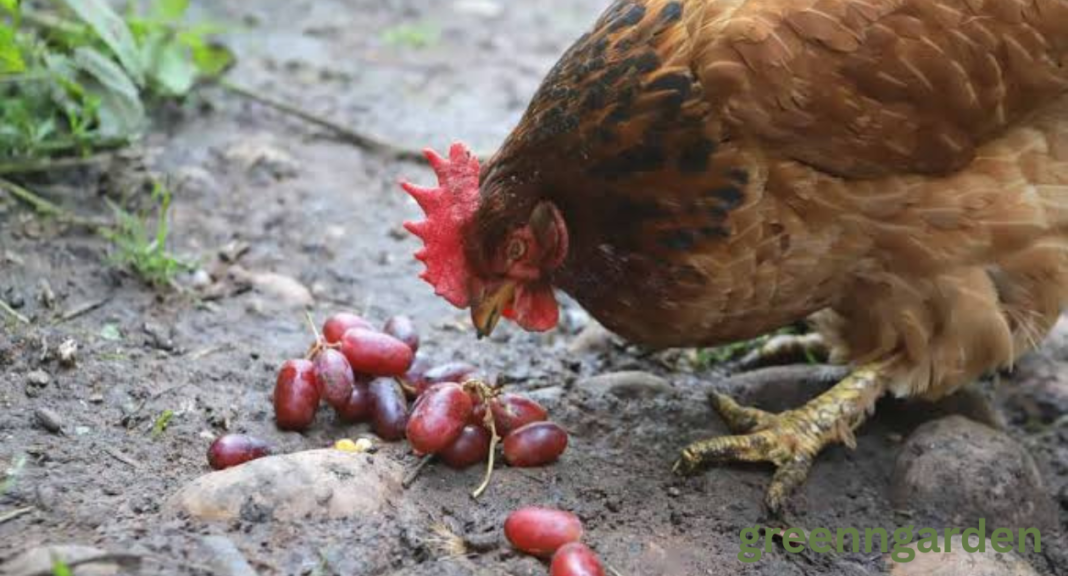

Grapes are a sweet, juicy fruit that many people enjoy as a healthy snack. If you raise backyard chickens, you may wonder whether it’s safe to share a few grapes with your flock. The good news is yes, Can Chickens Eat Grapes. Grapes are non-toxic to chickens and can be a tasty, nutritious treat when fed in moderation.
However, there are a few important things every chicken owner should know before offering grapes. This guide explains the benefits, risks, serving tips, and answers the most common questions about feeding grapes to chickens.
Can Chickens Eat Grapes?
Yes, chickens can safely eat grapes. Both red and green grapes are safe for chickens, and they usually enjoy their sweet taste. Grapes provide natural vitamins, minerals, antioxidants, and hydration that can support your flock’s overall health.
Even though grapes are healthy, they should only be offered as an occasional treat. Chickens need a balanced diet based primarily on high-quality poultry feed to meet their nutritional needs.
A good rule is that treats, including grapes, should make up no more than 10% of a chicken’s daily diet
Are Grapes Good for Chickens?
Yes, grapes offer several nutritional benefits when fed responsibly.
Rich in Vitamins
Grapes contain vitamins that help support healthy body functions.
Benefits include:
- Vitamin C supports immune health.
- Vitamin K helps with blood clotting.
- Small amounts of Vitamin B6 support metabolism.
Natural Antioxidants
Red grapes contain antioxidants such as resveratrol and flavonoids that help protect cells from damage caused by free radicals.
These compounds may support:
- Healthy aging
- Better immune function
- Overall wellness
Hydration
Since grapes contain over 80% water, they help chickens stay hydrated during hot summer days.
Cold grapes can also be a refreshing treat when temperatures rise.
Natural Energy
The natural sugars in grapes provide quick energy for active chickens.
Because grapes are high in sugar, they should only be given in moderation to avoid excessive calorie intake.
Nutritional Value of Grapes
Here is a quick overview of what grapes provide.
| Nutrient | Benefit for Chickens |
| Vitamin C | Supports immunity |
| Vitamin K | Healthy blood clotting |
| Potassium | Muscle and nerve function |
| Water | Hydration |
| Antioxidants | Cell protection |
| Natural sugars | Quick energy |
Benefits of Feeding Grapes to Chickens
Healthy Immune System
The vitamins and antioxidants found in grapes may help chickens maintain a stronger immune system.
Healthy chickens are generally more active and resilient.
Encourages Natural Foraging
Scattering sliced grapes around the run encourages chickens to scratch, peck, and forage naturally.
This provides both physical exercise and mental stimulation.
Excellent Summer Treat
Frozen or chilled grapes are especially popular during hot weather.
They help cool chickens while adding extra moisture to their diet.
Easy to Digest
Fresh grapes have soft flesh that most chickens can digest without difficulty.
Young chicks should receive only tiny pieces under supervision.
Are Grape Seeds Safe for Chickens?
Yes, grape seeds are generally safe for adult chickens.
Unlike dogs, chickens are not known to experience grape toxicity.
However, seedless grapes are often easier to eat and reduce any choking concerns.
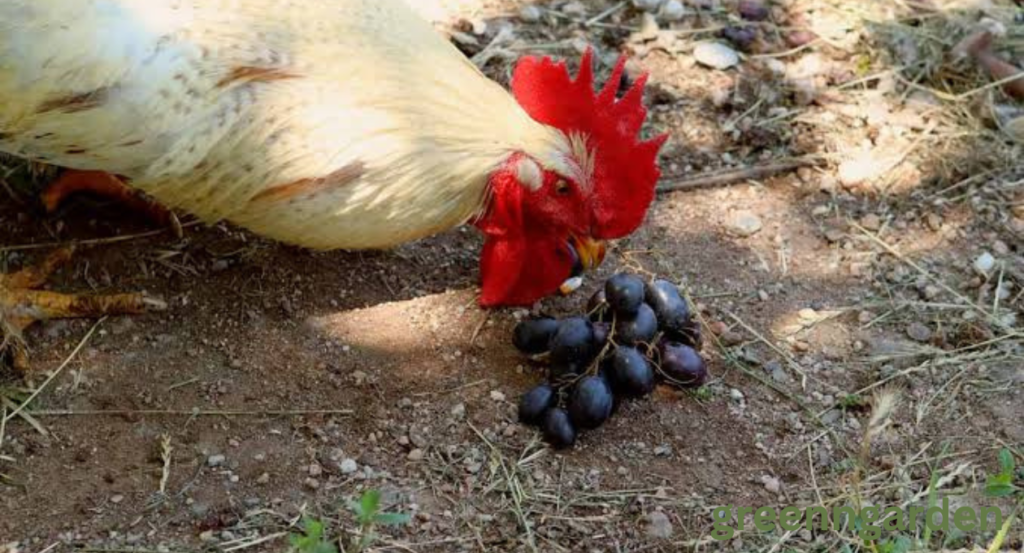
Can Chickens Eat Grape Skins?
Yes.
The skin contains additional fiber and antioxidants.
Simply wash grapes thoroughly before feeding to remove pesticides or chemical residues.
Organic grapes are an excellent choice when available.
Can Chickens Eat Green Grapes?
Absolutely.
Green grapes provide similar nutrients as red grapes.
Some chickens even prefer their slightly tart flavor.
Both varieties are perfectly safe when served in moderation.
Can Chickens Eat Red Grapes?
Yes.
Red grapes contain extra antioxidants, including resveratrol, making them a nutritious occasional snack.
Many chicken keepers alternate between red and green grapes.
Can Baby Chicks Eat Grapes?
Baby chicks can eat grapes, but only in very small amounts.
Follow these safety tips:
Cut Into Tiny Pieces
Large grapes may cause choking.
Always chop grapes into tiny pieces for chicks.
Feed Occasionally
Young chicks need starter feed for proper growth.
Fruit should remain an occasional treat.
Supervise Feeding
Watch chicks while they eat to ensure they do not struggle with large pieces.
How to Feed Grapes to Chickens Safely
Preparing grapes properly helps prevent problems.
Wash Thoroughly
Rinse grapes well to remove dirt, pesticides, and chemicals.
Slice Large Grapes
Cut grapes into halves or quarters.
This makes them easier to eat and lowers choking risks.
Remove Rotten Fruit
Only offer fresh grapes.
Spoiled fruit may upset your chickens’ digestive systems.
Feed Small Portions
Offer only a few grapes per chicken.
Too much fruit may reduce their appetite for balanced poultry feed.
How Many Grapes Can Chickens Eat?
Moderation is the key.
A few grapes once or twice each week is usually enough.
Treats should never replace complete chicken feed, which contains the nutrients necessary for healthy growth and egg production.
Risks of Feeding Too Many Grapes
Although grapes are safe, excessive amounts can create problems.
Too Much Sugar
Natural sugar may contribute to weight gain if chickens receive too many sweet treats.
Nutritional Imbalance
Eating too many treats may reduce how much balanced feed chickens consume.
This can lead to vitamin and mineral deficiencies over time.
Digestive Upset
Large amounts of fruit may occasionally cause loose droppings in some chickens.
Fruits Chickens Can Eat
Besides grapes, chickens can safely enjoy many fruits, including:
- Apples (without seeds)
- Blueberries
- Strawberries
- Watermelon
- Bananas
- Pears
- Mango
- Papaya
- Cantaloupe
- Peaches (without pits)
Rotate different fruits to provide variety.
Foods Chickens Should Avoid
Some foods are unsafe for chickens.
Avoid feeding:
- Chocolate
- Avocado pits and skin
- Raw dried beans
- Moldy food
- Green potato peels
- Excessive salty foods
- Alcohol
- Caffeine
Keeping harmful foods away helps maintain a healthy flock.
Faqs
Can chickens eat grapes every day?
No. Grapes should only be an occasional treat because they contain natural sugars. Daily feeding is not recommended.
Can chickens eat frozen grapes?
Yes. Frozen grapes are safe and make an excellent cooling snack during hot weather. Cut them into smaller pieces before serving.
Can chickens eat raisins?
Yes, but only in very small amounts. Raisins contain much more concentrated sugar than fresh grapes, so they should be fed sparingly.
Do grapes improve egg production?
Grapes do not directly increase egg production. A balanced layer feed remains the most important factor for laying healthy eggs.
Are organic grapes better?
Organic grapes may reduce pesticide exposure, but thoroughly washed conventional grapes are also safe.
Conclusionq
So, can chickens eat grapes? Yes, they certainly can. Grapes are a safe, nutritious, and refreshing treat packed with vitamins, antioxidants, and hydration. Both red and green grapes are suitable for chickens when washed thoroughly and served in moderation.
Remember that grapes should never replace a balanced poultry diet. Offer only small portions, cut large grapes into bite-sized pieces, and use them as an occasional reward. With proper feeding, grapes can become a healthy and enjoyable snack that your flock will happily peck at while staying active and hydrated.