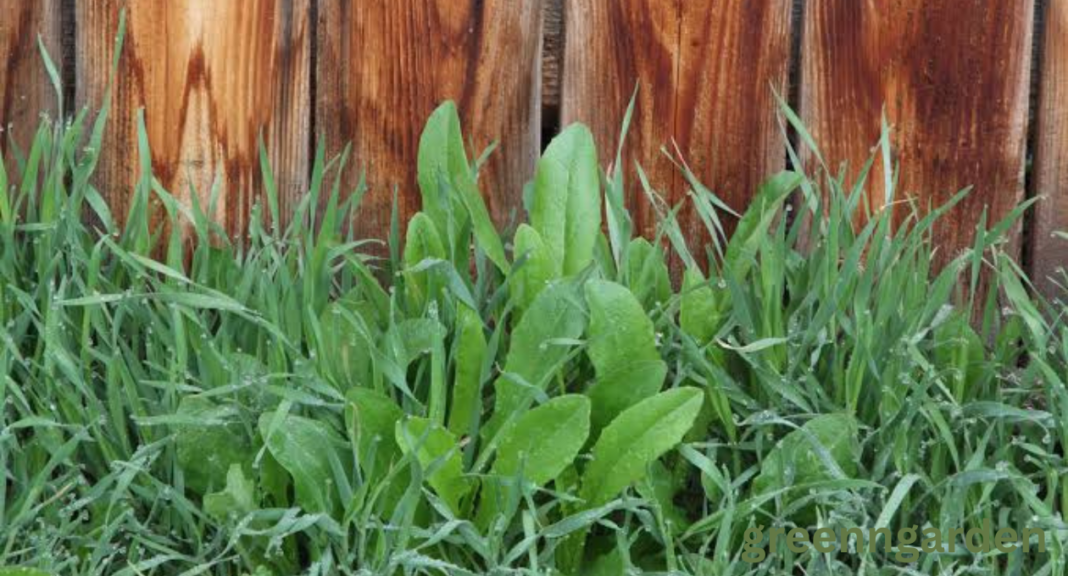

Wild lettuce (Lactuca virosa) is a plant that often attracts attention because of its traditional medicinal uses and its resemblance to several common weeds. However, many plants look similar to Wild Lettuce Look Alikes, making identification difficult for beginners. Learning the differences between wild lettuce and its look-alikes is important for gardeners, foragers, and nature enthusiasts.
What Is Wild Lettuce?
Wild lettuce is a tall, leafy plant that belongs to the daisy family (Asteraceae). It is commonly found along roadsides, open fields, vacant lots, and disturbed areas across North America and Europe.
Some key characteristics include:
- Grows between 3 and 8 feet tall
- Blue-green leaves with prickles on the underside of the midrib
- Yellow flowers that resemble dandelions
- Milky white sap when stems or leaves are broken
- Upright stem with branching flower clusters
Because many plants share these features, it’s easy to confuse wild lettuce with other species.
Why Correct Identification Matters
Although many wild lettuce look alikes are harmless, others may not be suitable for consumption or medicinal use. Misidentifying a plant can lead to unwanted side effects or ineffective herbal preparations.
Before harvesting any wild plant, always confirm its identity using multiple characteristics rather than relying on a single feature.
Common Wild Lettuce Look Alikes
1. Prickly Lettuce (Lactuca serriola)
Prickly lettuce is perhaps the closest relative of wild lettuce and is often mistaken for it.
Similarities
- Tall growth habit
- Yellow flowers
- Milky sap
- Blue-green leaves
Differences
- Leaves are more deeply lobed.
- The underside of the leaf has a row of stiff prickles.
- Usually shorter than mature wild lettuce.
- Leaves often grow in a vertical position facing east and west.
2. Sow Thistle (Sonchus oleraceus)
Sow thistle is another common weed found in gardens and fields.
Similarities
- Yellow dandelion-like flowers
- Milky sap
- Soft green leaves
Differences
- Softer leaves with rounded lobes
- Hollow stems
- Generally much shorter
- Leaves clasp the stem more noticeably
Unlike wild lettuce, sow thistle has a more tender appearance.
3. Dandelion (Taraxacum officinale)
Young wild lettuce plants are frequently mistaken for dandelions.
Similarities
- Rosette growth when young
- Yellow flowers
- Milky latex
Differences
- Dandelions remain close to the ground.
- Flower stems are hollow and leafless.
- Wild lettuce eventually develops a tall flowering stalk.
4. Horseweed (Conyza canadensis)
Horseweed grows in similar environments and can resemble immature wild lettuce.
Similarities
- Upright growth
- Narrow leaves
- Tall flowering stalk
Differences
- Tiny white flower heads instead of yellow flowers
- No milky sap
- Leaves are rougher and narrower
The absence of white latex is one of the easiest ways to distinguish horseweed.
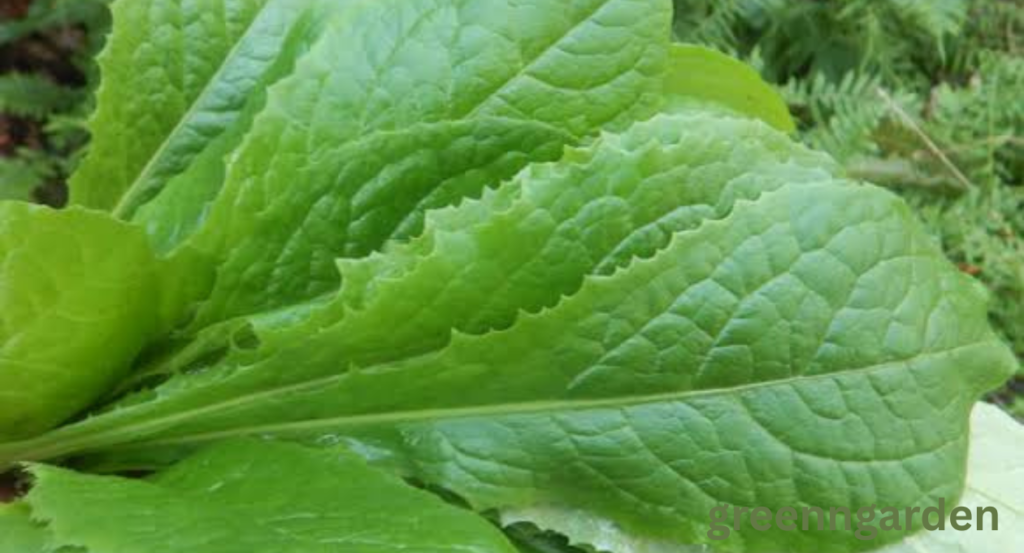
5. Canada Lettuce (Lactuca canadensis)
Canada lettuce is another member of the lettuce family and looks extremely similar.
Similarities
- Tall stems
- Yellow flowers
- Milky sap
- Similar leaves
Differences
- Generally grows taller
- Leaves are broader
- Flower clusters are more open and spreading
- Often found in woodland edges instead of open fields
Even experienced foragers sometimes confuse these two species.
6. Hawkweed (Hieracium species)
Several hawkweed species resemble young wild lettuce.
Similarities
- Yellow flowers
- Basal rosette
- Green leaves
Differences
- Hairier leaves
- Smaller size
- Less branching
- Flowers appear on slender stems
Wild lettuce typically becomes much taller than hawkweed.
Key Features That Identify Wild Lettuce
If you’re trying to determine whether you’ve found true wild lettuce, look for these identifying characteristics.
Milky White Sap
Breaking a stem or leaf releases a white latex-like sap.
Prickles on the Leaf Midrib
Wild lettuce has small prickles running along the underside of the center vein.
Tall Upright Growth
Most mature plants reach several feet in height.
Yellow Composite Flowers
The flowers resemble miniature dandelions and bloom in loose clusters.
Blue-Green Leaves
The leaves usually have a bluish-green color with irregular lobes.
Where Wild Lettuce Commonly Grows
Wild lettuce prefers disturbed soil and sunny locations.
Common habitats include:
- Roadsides
- Empty lots
- Fence lines
- Pastures
- Meadows
- Garden edges
- Construction sites
It often appears during late spring through early fall.
Tips for Safely Identifying Wild Lettuce
Never rely on a single characteristic when identifying plants.
Instead:
- Check several identification features.
- Observe mature plants whenever possible.
- Compare flowers, leaves, stems, and sap.
- Use a trusted regional plant identification guide.
- Avoid harvesting uncertain plants.
Photographing the plant at different growth stages can also help with identification.
Can Wild Lettuce Look Alikes Be Used Medicinally?
Some wild lettuce relatives have traditional herbal uses, while others are simply edible weeds or ornamental plants. However, medicinal properties vary significantly between species.
Because plant chemistry differs, substitutes should never be assumed to have the same effects as true wild lettuce.
Always consult reliable botanical references before using any wild plant medicinally.
Faqs
What plant is most commonly confused with wild lettuce?
Prickly lettuce (Lactuca serriola) is the plant most often mistaken for wild lettuce because they belong to the same genus and share many physical characteristics.
Does wild lettuce always have milky sap?
Yes. Mature wild lettuce produces a white milky latex when the stem or leaves are broken.
Are wild lettuce look alikes poisonous?
Most common look-alikes are not highly poisonous, but proper identification is still essential because consuming unidentified plants can be risky.
Can beginners identify wild lettuce easily?
It can be challenging at first because several weeds have similar leaves and yellow flowers. Learning multiple identifying traits greatly improves accuracy.
Is Canada lettuce the same as wild lettuce?
No. Canada lettuce is a separate species, although it closely resembles wild lettuce and belongs to the same plant family.
Conclusion
Wild lettuce has several convincing look-alikes, including prickly lettuce, sow thistle, Canada lettuce, horseweed, dandelion, and hawkweed. While these plants may appear similar at first glance, careful observation of leaf shape, flower structure, milky sap, prickles, and overall growth habit can help you correctly identify true wild lettuce. Taking the time to verify multiple characteristics is the safest approach for anyone interested in foraging or studying wild plants.