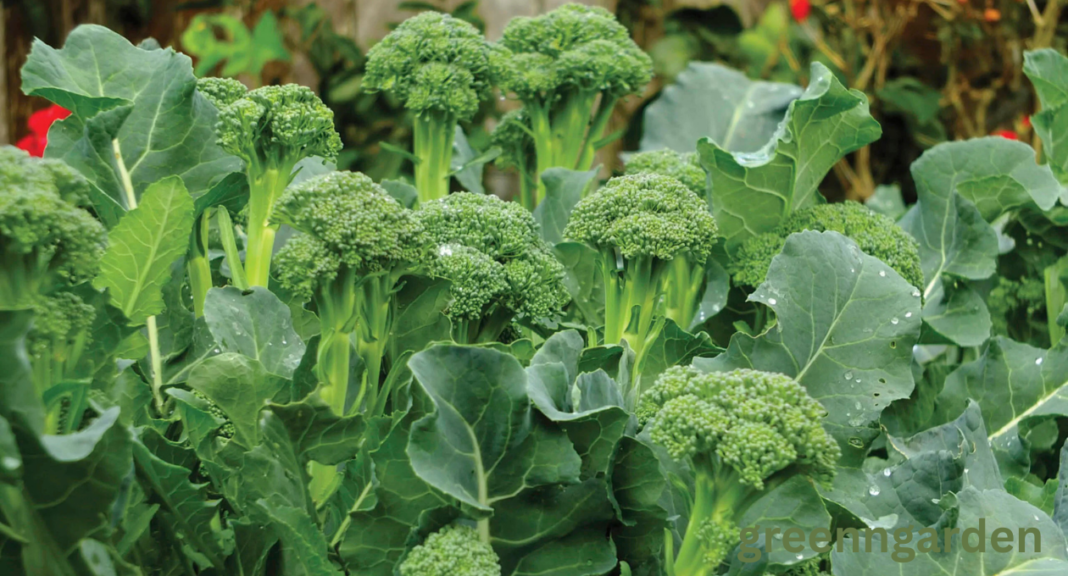

Broccoli is one of the most popular green vegetables worldwide, valued for its nutrition, versatility, and year-round availability. However, in recent years, consumers have noticed periods when broccoli becomes harder to find or significantly more expensive. A broccoli shortage can affect households, restaurants, grocery stores, and food manufacturers alike.
What Is a Broccoli Shortage?
A broccoli shortage occurs when the supply of broccoli cannot meet market demand. During a shortage, grocery stores may receive fewer shipments, prices often increase, and restaurants may reduce broccoli-based menu items or replace them with other vegetables.
Shortages are usually temporary and result from a combination of weather conditions, farming challenges, transportation issues, and seasonal demand.
Main Causes of a Broccoli Shortage
Several factors can contribute to a broccoli shortage.
Extreme Weather Conditions
Broccoli grows best in cool temperatures. Excessive heat, drought, heavy rainfall, floods, or frost can damage crops and reduce yields. Climate change has made weather patterns more unpredictable, increasing the risk of poor harvests.
Pest and Disease Problems
Broccoli fields can be affected by pests such as aphids, cabbage worms, and flea beetles. Diseases including black rot and downy mildew can also reduce production. Farmers often lose part of their harvest when outbreaks occur.
Labor Shortages
Harvesting broccoli requires significant manual labor. A shortage of agricultural workers can delay harvesting, reducing the amount of broccoli that reaches the market before quality declines.
Transportation and Supply Chain Issues
Even when broccoli production is healthy, transportation challenges can create shortages.
Shipping Delays
Fuel price increases, truck driver shortages, and shipping delays can prevent broccoli from reaching stores quickly. Since broccoli is highly perishable, transportation disruptions may lead to food waste and lower supplies.
Packaging Material Shortages
Packaging supplies such as boxes and cooling materials are essential for keeping broccoli fresh during transport. Limited availability of these materials can slow distribution.
Seasonal Production Changes
Broccoli production varies throughout the year. Major growing regions experience different harvest seasons, and temporary gaps between harvests can reduce supply.
If poor weather affects one major producing region while another has not yet begun harvesting, consumers may notice reduced availability.
Rising Production Costs
Farmers face increasing expenses for:
- Fertilizers
- Seeds
- Irrigation
- Fuel
- Farm equipment
- Labor
Higher production costs often result in higher broccoli prices, even if supply remains relatively stable.
Consumer Demand During a Broccoli Shortage
Healthy eating trends continue to increase demand for vegetables like broccoli. Since broccoli is rich in vitamins, minerals, and fiber, many consumers actively seek it as part of balanced diets.
When demand remains high while supply falls, shortages become more noticeable and prices rise quickly.
How a Broccoli Shortage Affects Consumers
A shortage impacts consumers in several ways.
Higher Grocery Prices
One of the first signs of a broccoli shortage is higher retail prices. Fresh broccoli may become significantly more expensive than usual.
Frozen broccoli products can also increase in price if manufacturers struggle to obtain enough raw vegetables.
Limited Availability
Stores may receive fewer shipments, causing empty shelves or purchase limits. Some retailers prioritize long-term customers or larger stores when supplies are limited.
Restaurant Menu Changes
Restaurants may temporarily substitute broccoli with vegetables such as:
- Green beans
- Cauliflower
- Brussels sprouts
- Zucchini
- Spinach
This helps control food costs while maintaining menu variety.
How Farmers Respond to Broccoli Shortages
Farmers use several strategies to reduce the impact of shortages.
Improved Farming Techniques
Modern agriculture includes:
- Better irrigation systems
- Disease-resistant broccoli varieties
- Precision farming technology
- Soil monitoring
- Weather forecasting tools
These improvements help increase crop reliability.
Diversifying Crop Production
Many growers plant multiple vegetables instead of relying solely on broccoli. This reduces financial risk if broccoli harvests are affected by poor conditions.
Investing in Sustainable Agriculture
Sustainable farming practices improve soil health and water conservation, helping farms remain productive despite changing climate conditions.
Alternatives During a Broccoli Shortage
If broccoli becomes unavailable or expensive, several vegetables provide similar nutritional benefits.
Cauliflower
Cauliflower belongs to the same vegetable family as broccoli and works well in soups, stir-fries, and roasted dishes.
Brussels Sprouts
These provide fiber, vitamin C, and antioxidants while offering a similar earthy flavor.
Kale
Kale is packed with vitamins A, C, and K and can replace broccoli in many healthy meals.
Green Beans
Green beans are widely available and serve as an affordable side dish.
Spinach
Spinach cooks quickly and provides important nutrients similar to broccoli.
Can a Broccoli Shortage Affect Food Businesses?
Yes. Food manufacturers and restaurants often depend on a steady broccoli supply.
Potential impacts include:
- Higher ingredient costs
- Smaller portion sizes
- Menu substitutions
- Increased frozen food prices
- Lower profit margins
Businesses often adjust purchasing strategies or source broccoli from different regions to maintain supply.
Will the Broccoli Shortage End?
Most broccoli shortages are temporary. As growing conditions improve and new harvests arrive, supply generally returns to normal.
However, long-term challenges such as climate change, rising production costs, and labor shortages may continue to create occasional disruptions in broccoli availability.
Consumers can expect prices to stabilize once production recovers and supply chains return to normal.
Conclusion
A broccoli shortage is typically caused by a combination of weather events, farming difficulties, transportation disruptions, labor shortages, and rising production costs. While shortages may temporarily increase prices and reduce availability, they usually improve as new harvests reach the market.
Consumers can reduce the impact by purchasing seasonal produce, considering frozen broccoli, and using nutritious alternatives like cauliflower, kale, spinach, and Brussels sprouts. Continued investments in sustainable farming and modern agricultural practices will play an important role in ensuring reliable broccoli supplies in the future.
Faqs
Why is there a broccoli shortage?
Broccoli shortages are usually caused by extreme weather, pest outbreaks, labor shortages, transportation delays, and seasonal production changes.
Does a broccoli shortage increase prices?
Yes. Reduced supply combined with steady demand often leads to higher prices at grocery stores and restaurants.
Can frozen broccoli also become scarce?
Yes. Frozen broccoli relies on fresh harvests, so production shortages can affect frozen products as well.
What vegetables can replace broccoli?
Cauliflower, kale, Brussels sprouts, spinach, and green beans are excellent alternatives.
How long do broccoli shortages usually last?
Most shortages last from a few weeks to several months, depending on weather conditions, harvest recovery, and supply chain improvements.