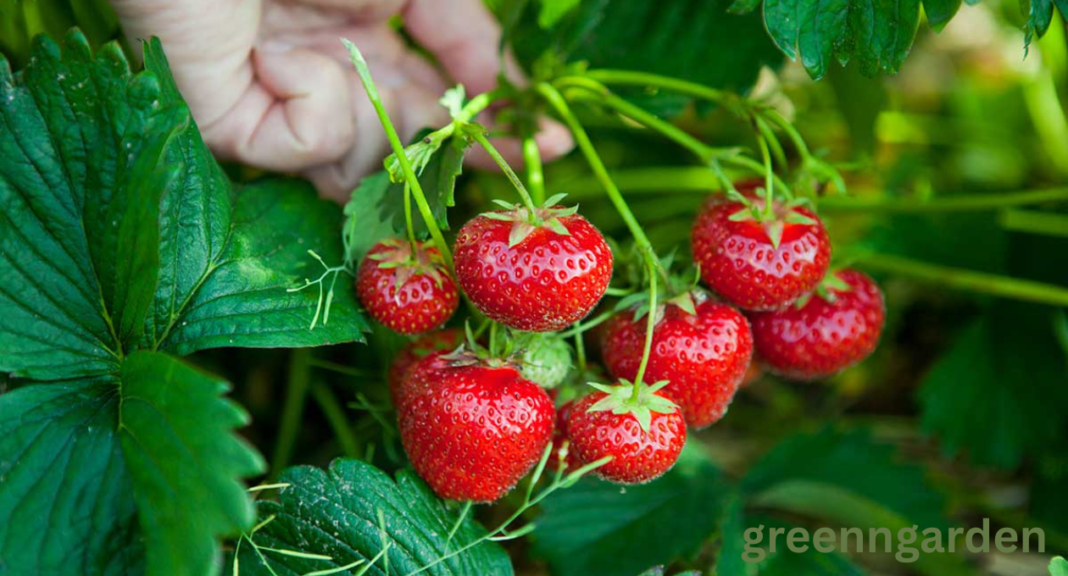

Strawberries are among the world’s most popular fruits, loved for their sweet taste, bright color, and nutritional value. However, in recent years, consumers and businesses have experienced a strawberry shortage in several regions. Lower harvests, rising prices, and limited supplies have affected grocery stores, restaurants, and food manufacturers alike.
This article explores the reasons behind the strawberry shortage, its impact on consumers and businesses, and what the future may hold for strawberry production.
What Is the Strawberry Shortage?
A strawberry shortage occurs when the supply of strawberries cannot meet consumer demand. This imbalance can happen due to poor weather, disease outbreaks, labor shortages, transportation delays, or reduced farming acreage.
When production declines, retailers receive fewer shipments, leading to higher prices and occasional empty shelves. The shortage can be temporary, lasting only a few weeks, or continue throughout an entire growing season depending on the cause.
Main Causes of the Strawberry Shortage
Unpredictable Weather Conditions
Weather plays a major role in strawberry production. Heavy rainfall, drought, unexpected frosts, and heatwaves can all reduce yields.
Excessive rain may cause fruit rot and fungal diseases, while extreme heat can damage blossoms and reduce fruit quality. Frost during flowering season is particularly harmful because it can destroy developing berries before they mature.
Rising Production Costs
Farmers face increasing expenses for fertilizers, irrigation, fuel, packaging, and equipment. Higher production costs may force some growers to reduce planting areas or leave farming altogether.
These financial pressures contribute to lower overall production and reduced market supply.
Labor Shortages
Strawberries require careful hand-picking to prevent damage. Many farms rely on seasonal workers during harvest.
When there are not enough workers available, ripe berries may remain in the fields too long, reducing both quality and quantity. Labor shortages have become a significant challenge in many agricultural regions.
Plant Diseases and Pests
Strawberry plants are vulnerable to several diseases and insect pests.
Common problems include fungal infections, root diseases, spider mites, aphids, and other pests that damage crops. Disease outbreaks can significantly reduce harvests if not managed quickly.
Transportation and Supply Chain Issues
Even when farms produce healthy crops, transportation disruptions can create shortages.
Fuel price increases, shipping delays, refrigeration problems, and distribution challenges may prevent strawberries from reaching stores on time. Because strawberries are highly perishable, even short delays can lead to significant losses.
Which Regions Are Most Affected?
Major Strawberry-Producing Countries
Several countries supply strawberries to domestic and international markets, including:
- United States
- Mexico
- Spain
- Turkey
- Egypt
- Poland
A poor harvest in any of these major producing regions can influence global prices and availability.
Local Markets
Consumers often notice shortages during seasonal transitions when local harvests end and imported strawberries have not yet arrived. Regional weather events can also temporarily reduce supplies in nearby markets.
How the Strawberry Shortage Affects Consumers
Higher Grocery Prices
One of the most noticeable effects is increased prices. Reduced supply combined with strong demand causes retailers to charge more for fresh strawberries.
Consumers may also find smaller packages selling for the same price as larger packs previously offered.
Limited Availability
Some supermarkets limit purchases or receive fewer deliveries during shortages. Certain specialty strawberry varieties may disappear completely until production recovers.
Reduced Quality
Retailers may source strawberries from more distant locations during shortages. Longer transportation times can reduce freshness, leading to softer fruit and shorter shelf life.
Impact on Businesses
Restaurants and Cafés
Businesses that use strawberries in desserts, smoothies, pastries, and beverages often experience higher ingredient costs.
Some restaurants temporarily modify menus or substitute alternative fruits to control expenses.
Food Manufacturers
Companies producing strawberry jam, yogurt, ice cream, juices, and frozen desserts may also face supply challenges.
Limited availability of fresh strawberries can increase production costs and affect product pricing.
Farmers
While higher market prices may appear beneficial, reduced harvest volumes often offset these gains. Farmers dealing with crop losses may still experience lower overall income despite increased selling prices.
Can Consumers Manage During a Strawberry Shortage?
Buy Seasonal Strawberries
Purchasing strawberries during peak local harvest seasons usually provides better quality and lower prices.
Consider Frozen Strawberries
Frozen strawberries are harvested at peak ripeness and can be an excellent alternative for smoothies, baking, and desserts when fresh supplies are limited.
Try Alternative Fruits
Several fruits offer similar sweetness and versatility, including:
- Raspberries
- Blueberries
- Blackberries
- Cherries
- Peaches
Using seasonal fruits can reduce grocery expenses while maintaining a healthy diet.
Will the Strawberry Shortage End Soon?
Most strawberry shortages are temporary. As weather conditions improve and new harvests begin, supplies generally recover.
However, long-term challenges such as climate change, labor shortages, and increasing production costs may continue to create occasional supply disruptions in the future.
Many growers are investing in greenhouse farming, improved irrigation systems, disease-resistant plant varieties, and modern agricultural technology to increase production and reduce future risks.
Tips for Strawberry Growers
Improve Water Management
Efficient irrigation systems help protect crops during drought and reduce water waste.
Monitor Plant Health
Early detection of pests and diseases allows farmers to prevent larger crop losses.
Diversify Production
Growing multiple berry varieties or using protected cultivation methods can reduce financial risks during unfavorable seasons.
Conclusion
The strawberry shortage results from a combination of weather extremes, labor shortages, rising production costs, plant diseases, and supply chain disruptions. These factors affect everyone, from farmers and food manufacturers to grocery stores and consumers.
Although shortages often lead to higher prices and limited availability, they are usually temporary. Continued investment in modern farming techniques, improved logistics, and sustainable agriculture can help strengthen strawberry supplies and reduce future shortages.
Faqs
Why are strawberries in short supply?
Common reasons include unfavorable weather, labor shortages, plant diseases, transportation disruptions, and increased farming costs.
Why are strawberry prices higher?
Lower production combined with strong consumer demand results in higher market prices.
Is the strawberry shortage permanent?
No. Most shortages are seasonal or temporary, although climate and economic factors may occasionally cause recurring supply issues.
Are frozen strawberries a good substitute?
Yes. Frozen strawberries retain much of their nutritional value and work well in smoothies, baking, desserts, and sauces.
How can consumers save money during a strawberry shortage?
Buy strawberries during local harvest seasons, compare prices across stores, purchase frozen berries, or choose other seasonal fruits when fresh strawberries become expensive.\