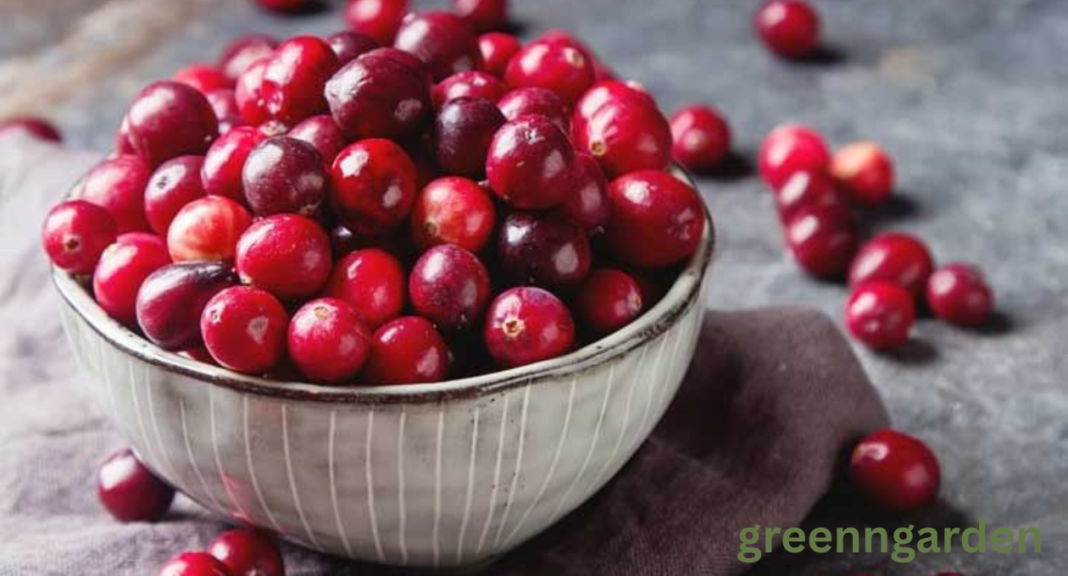

Cranberries are a popular fruit enjoyed in juices, sauces, dried snacks, and baked goods. They are especially in high demand during the holiday season, making a steady supply important for consumers and food manufacturers alike. However, concerns about a cranberry shortage occasionally arise due to weather events, crop diseases, changing market conditions, and supply chain disruptions.
A cranberry shortage does not always mean the fruit is unavailable everywhere. Instead, it often refers to reduced production or limited availability in certain regions, which can lead to higher prices and fewer products on store shelves. Understanding the reasons behind these shortages can help consumers make informed purchasing decisions.
What Is a Cranberry Shortage?
A cranberry shortage occurs when the available supply of cranberries cannot fully meet consumer demand. This imbalance may be temporary or seasonal, depending on the underlying cause.
Production challenges in major growing regions can reduce harvest volumes, while transportation issues may delay deliveries to retailers and food manufacturers.
Common Causes of a Cranberry Shortage
Several factors can contribute to lower cranberry production and distribution.
Extreme Weather Conditions
Weather plays a significant role in cranberry farming. Heavy rainfall, drought, early frosts, hailstorms, or unusually high temperatures can damage cranberry bogs and reduce yields.
Because cranberries require specific growing conditions, even small weather changes can affect fruit quality and harvest size.
Plant Diseases and Pests
Fungal diseases, insects, and other agricultural pests can weaken cranberry plants and lower production.
Farmers often use integrated pest management techniques to reduce these risks, but severe outbreaks can still affect annual harvests.
Labor Shortages
Harvesting and processing cranberries require skilled workers. Labor shortages may slow harvesting operations and reduce the amount of fruit reaching the market.
Agricultural labor challenges have become increasingly common in many farming regions.
Supply Chain Disruptions
Transportation delays, higher fuel costs, and packaging shortages can interrupt the movement of cranberries from farms to processing facilities and retail stores.
Even when harvests are strong, logistical issues can temporarily limit product availability.
Rising Production Costs
Higher expenses for fertilizer, fuel, irrigation, equipment, and labor increase the overall cost of cranberry production.
Some growers may reduce planting or delay expansion projects if production becomes less profitable.
Major Cranberry Growing Regions
Most commercial cranberries are grown in a few key areas with suitable climates.
United States
The United States is one of the world’s largest cranberry producers. Major growing states include:
- Wisconsin
- Massachusetts
- New Jersey
- Oregon
- Washington
Wisconsin typically produces the largest share of the U.S. cranberry crop.
Canada
Canada is another major cranberry producer, with significant production in:
- British Columbia
- Quebec
- Nova Scotia
Canadian harvests play an important role in supplying both domestic and international markets.
How a Cranberry Shortage Affects Consumers
Reduced cranberry supplies can influence both prices and product availability.
Higher Grocery Prices
When supply decreases while demand remains strong, cranberry products often become more expensive.
Consumers may notice price increases for:
- Fresh cranberries
- Cranberry juice
- Dried cranberries
- Cranberry sauce
- Cranberry supplements
Limited Seasonal Availability
Holiday demand often increases pressure on cranberry supplies. If harvests are smaller than expected, stores may sell out more quickly during peak shopping periods.
Reduced Product Variety
Food manufacturers may temporarily reduce production of cranberry-based products if raw fruit becomes more difficult to source.
How Farmers Respond to Shortages
Growers continue investing in techniques that improve long-term production.
Improved Irrigation
Modern irrigation systems help farms manage drought conditions more efficiently.
Better Disease Management
Research into disease-resistant cranberry varieties and improved pest control methods helps reduce crop losses.
Sustainable Farming Practices
Many cranberry growers adopt sustainable water management, soil conservation, and precision agriculture to improve productivity while protecting natural resources.
Can Consumers Find Alternatives?
Yes. If cranberries become difficult to find, several fruits offer similar flavors or culinary uses.
Possible Alternatives
- Tart cherries
- Pomegranates
- Red currants
- Lingonberries
- Raspberries
Although these fruits have different flavors, they can work well in sauces, desserts, smoothies, and baked goods.
Will the Cranberry Shortage Continue?
The duration of any shortage depends on future harvest conditions, weather patterns, transportation networks, and global demand.
In many cases, cranberry shortages are temporary and improve as new harvests enter the market. Continued investments in farming technology and sustainable agriculture may also strengthen future production.
Consumers can expect availability to fluctuate from year to year depending on growing conditions.
Tips for Buying Cranberries During Limited Supply
Shop Early
Buying cranberries before peak holiday demand may increase your chances of finding fresh products.
Consider Frozen Cranberries
Frozen cranberries often remain available longer than fresh ones and retain much of their nutritional value.
Buy Dried Cranberries
Dried cranberries have a longer shelf life and are useful for snacks, salads, and baking.
Compare Different Stores
Availability can vary between supermarkets, warehouse clubs, local grocery stores, and online retailers.
Conclusion
A cranberry shortage can result from weather extremes, crop diseases, labor challenges, rising production costs, and supply chain disruptions. While these factors may temporarily reduce availability and increase prices, cranberry production remains an important part of North American agriculture.
Consumers can prepare by shopping early, considering frozen or dried options, and staying informed about seasonal harvest conditions. As growers continue adopting improved farming practices and modern agricultural technology, future cranberry supplies are expected to become more resilient against many of these challenges.
Faqs
Why is there a cranberry shortage?
Common causes include adverse weather, crop diseases, labor shortages, higher production costs, and transportation disruptions.
Which country produces the most cranberries?
The United States is one of the world’s leading cranberry producers, with Wisconsin contributing the largest share of U.S. production.
Does a cranberry shortage increase prices?
Yes. Lower supplies often lead to higher prices for fresh cranberries, juice, dried fruit, and cranberry-based products.
Can frozen cranberries replace fresh ones?
Yes. Frozen cranberries are an excellent substitute in cooking, baking, and smoothies.
Are cranberry shortages permanent?
No. Most shortages are temporary and depend on seasonal harvest conditions, market demand, and supply chain recovery.