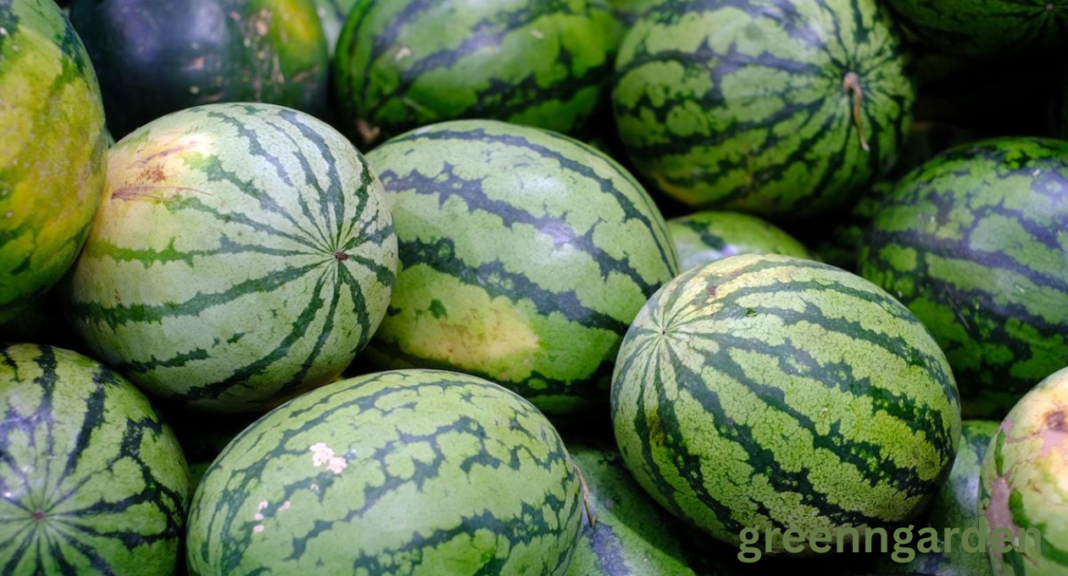

Watermelon is one of the most refreshing and widely consumed fruits, especially during the summer months. Its sweet taste, high water content, and nutritional benefits make it a favorite among consumers worldwide. However, many regions have experienced a watermelon shortage, leading to higher prices and reduced availability in grocery stores and local markets.
A watermelon shortage affects not only consumers but also farmers, retailers, restaurants, and food manufacturers. Understanding the causes behind these shortages can help explain why prices fluctuate and what the future may hold for watermelon production.
What Is a Watermelon Shortage?
A watermelon shortage occurs when the supply of watermelons is lower than consumer demand. This imbalance may result from unfavorable weather, crop diseases, labor shortages, transportation disruptions, or rising production costs.
When fewer watermelons reach the market, retailers often experience limited inventory, causing prices to increase until supplies recover.
Main Causes of the Watermelon Shortage
Extreme Weather Conditions
Weather is one of the biggest factors affecting watermelon production. Watermelons require warm temperatures, plenty of sunshine, and consistent watering throughout the growing season.
Several weather events can reduce harvests, including:
- Prolonged droughts
- Heavy rainfall and flooding
- Heatwaves
- Late spring frosts
- Strong storms and hurricanes
Excessive rain can damage developing fruit and increase disease pressure, while drought limits plant growth and fruit size.
Rising Farming Costs
Growing watermelons has become more expensive due to increasing costs for:
- Fertilizers
- Fuel
- Irrigation
- Seeds
- Farm equipment
- Packaging materials
Higher operating expenses may force some growers to reduce planting acreage, leading to lower overall production.
Labor Shortages
Watermelon farming depends heavily on seasonal agricultural workers for planting, harvesting, sorting, and packing.
A shortage of available workers can delay harvesting, allowing ripe fruit to remain in the field too long. This may reduce quality and increase crop losses.
Plant Diseases and Pests
Watermelon crops are vulnerable to several diseases and insect pests that can significantly reduce yields.
Common problems include:
- Fusarium wilt
- Powdery mildew
- Downy mildew
- Anthracnose
- Aphids
- Spider mites
- Cucumber beetles
Without proper crop management, these issues can spread quickly across fields and reduce production.
Supply Chain Challenges
Even when farms produce healthy crops, transportation problems can create shortages.
Common supply chain issues include:
- Rising fuel prices
- Shipping delays
- Limited refrigerated transport
- Distribution bottlenecks
- Labor shortages in logistics
Since watermelons are bulky and perishable, efficient transportation is essential for maintaining supply.
Which Regions Produce the Most Watermelons?
Major Producing Countries
Watermelons are grown across many parts of the world. Some of the largest producers include:
- China
- India
- Turkey
- Brazil
- United States
- Egypt
- Iran
Poor harvests in major producing regions can affect international trade and market prices.
Local Seasonal Production
Many countries rely on domestic watermelon harvests during summer months and imports during the off-season. Seasonal transitions sometimes create temporary shortages before new crops become available.
How the Watermelon Shortage Affects Consumers
Higher Prices
One of the most noticeable effects is increased retail prices.
When supplies decline while demand remains strong, supermarkets and local fruit vendors often charge more for whole watermelons and pre-cut fruit.
Reduced Availability
Consumers may find fewer watermelon varieties available during shortages.
Some stores receive smaller shipments or sell out quickly, especially during holidays and peak summer demand.
Smaller Fruit Sizes
Weather stress and drought can reduce fruit size, meaning consumers may notice smaller watermelons reaching the market even when supplies are available.
Impact on Businesses
Grocery Stores
Retailers may receive fewer deliveries and pay higher wholesale prices. These increased costs are often passed on to customers.
Restaurants and Juice Shops
Businesses serving fresh watermelon juice, fruit salads, desserts, and smoothies may experience increased ingredient costs.
Some establishments temporarily substitute other fruits or reduce watermelon-based menu items.
Food Manufacturers
Companies producing watermelon beverages, frozen fruit products, and snacks may also face supply challenges during poor harvest seasons.
Environmental Factors Affecting Watermelon Production
Climate Change
Changing weather patterns continue to affect agriculture worldwide.
More frequent droughts, heatwaves, heavy rainfall, and severe storms create unpredictable growing conditions for watermelon farmers.
Water Availability
Watermelons require adequate irrigation throughout the growing season.
Regions experiencing water shortages or irrigation restrictions may produce fewer watermelons, contributing to supply shortages.
How Consumers Can Manage During a Watermelon Shortage
Buy Seasonal Produce
Purchasing watermelons during local harvest seasons generally offers better prices, fresher fruit, and greater availability.
Consider Alternative Fruits
When watermelon prices increase significantly, consumers can enjoy other refreshing fruits such as:
- Cantaloupe
- Honeydew melon
- Pineapple
- Strawberries
- Oranges
- Grapes
These fruits provide similar hydration and nutritional benefits.
Store Watermelon Properly
Proper storage reduces waste.
Whole watermelons should be kept in a cool place until cut. Once sliced, they should be refrigerated in airtight containers and consumed within several days.
Can Farmers Reduce Future Shortages?
Improved Irrigation Systems
Modern drip irrigation helps conserve water while maintaining healthy crop growth during dry conditions.
Disease-Resistant Varieties
Researchers continue developing watermelon varieties with improved resistance to common diseases and pests.
These improved plants can help farmers maintain stable yields.
Precision Agriculture
Technology such as soil moisture sensors, weather forecasting, GPS-guided equipment, and drone monitoring allows farmers to manage crops more efficiently and reduce production risks.
Future Outlook for Watermelon Supply
Although seasonal shortages may continue, many agricultural experts remain optimistic.
Investment in improved farming techniques, better irrigation, stronger supply chains, and climate adaptation strategies can help stabilize watermelon production over time.
Consumers should expect occasional price fluctuations due to weather events, but widespread long-term shortages are less likely if growing conditions improve.
Conclusion
The watermelon shortage is driven by several interconnected factors, including extreme weather, rising farming costs, labor shortages, crop diseases, and transportation challenges. These issues reduce supply while consumer demand remains high, leading to higher prices and limited availability.
Although shortages can be frustrating, they are often temporary. Continued investment in modern farming practices, efficient logistics, and sustainable agriculture will play an important role in ensuring reliable watermelon supplies for future growing seasons.
Faqs
Why is there a watermelon shortage?
Watermelon shortages are commonly caused by unfavorable weather, labor shortages, plant diseases, rising production costs, and transportation disruptions.
Why are watermelon prices increasing?
Lower harvests combined with steady consumer demand typically result in higher wholesale and retail prices.
Is the watermelon shortage temporary?
Yes. Most shortages are seasonal and improve as new harvests become available, although weather-related disruptions can occasionally extend shortages.
Which countries produce the most watermelons?
China, India, Turkey, Brazil, the United States, Egypt, and Iran are among the world’s leading watermelon producers.
What fruits can replace watermelon during a shortage?
Consumers can choose cantaloupe, honeydew melon, pineapple, grapes, strawberries, or oranges as refreshing alternatives when watermelon supplies are limited.