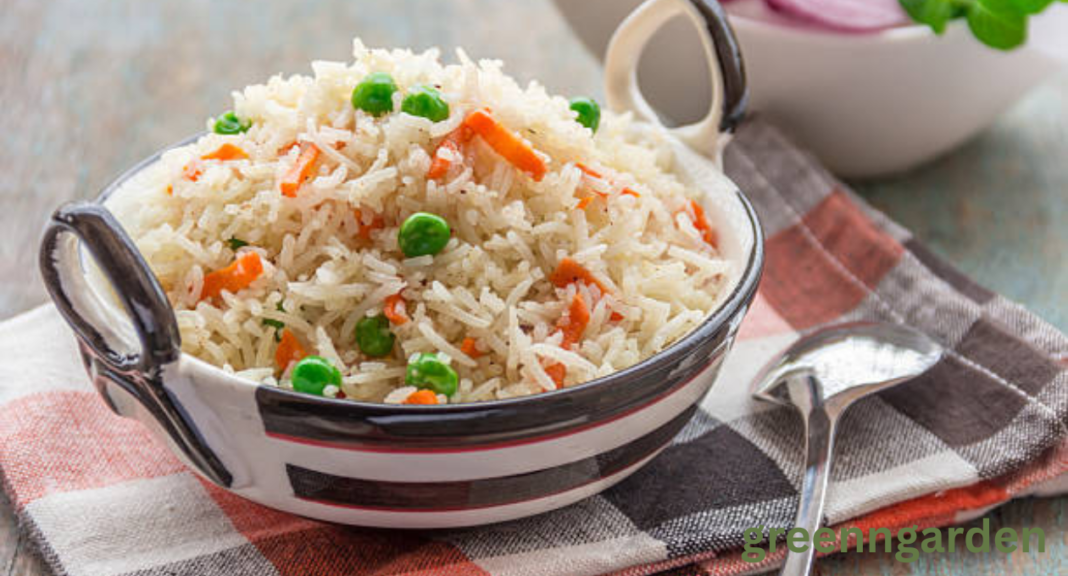

Rice is one of the most popular foods in the world, feeding billions of people every day. It appears in countless dishes, from sushi and fried rice to curries and rice bowls. Despite its popularity, many people still ask a simple question: Is rice a vegetable?
The short answer is no. Rice is not a vegetable. It is a grain that comes from the seeds of the rice plant. While rice is a plant-based food, it belongs to a different food group than vegetables.
What Is Rice?
Rice is the edible seed of the Oryza sativa or Oryza glaberrima plant. It belongs to the grass family (Poaceae), making it a cereal grain rather than a vegetable.
After harvesting, rice grains are processed by removing the outer husk. Depending on how much processing is done, rice becomes:
- White rice
- Brown rice
- Black rice
- Red rice
- Wild rice (technically a different aquatic grass)
Because rice is harvested for its seeds instead of its leaves, stems, or roots, it is classified as a grain.
Is Rice a Vegetable?
No, rice is not a vegetable.
Vegetables are edible parts of plants such as:
- Leaves (spinach, lettuce)
- Roots (carrots, beets)
- Stems (celery, asparagus)
- Flowers (broccoli, cauliflower)
- Bulbs (onions, garlic)
Rice, on the other hand, is the mature seed of a grass plant. Since it develops from the flowering part of the plant and is harvested as a seed, it falls into the grain category.
Although rice comes from a plant, not every plant food is considered a vegetable
Why Do People Think Rice Is a Vegetable?
Many people assume rice is a vegetable because:
It Is Plant-Based
Rice grows from a plant, just like vegetables do. However, plant-based foods include fruits, grains, legumes, nuts, seeds, and vegetables.
It Is Served With Vegetables
Rice often appears alongside vegetables in stir-fries, salads, and curries, leading some people to think it belongs in the same group.
It Is Found in Healthy Meals
Balanced meals frequently include rice and vegetables together, but they each provide different nutrients and serve different purposes.
What Food Group Does Rice Belong To?
Rice belongs to the grains food group.
Grains are divided into two categories:
Whole Grains
Whole grains contain all three parts of the grain:
- Bran
- Germ
- Endosperm
Examples include:
- Brown rice
- Black rice
- Red rice
- Wild rice
Whole grains provide more fiber, vitamins, and minerals.
Refined Grains
Refined grains have the bran and germ removed.
Examples include:
- White rice
- White flour
- Regular pasta
These grains have a softer texture but contain less fiber than whole grains.
Is Rice Healthy?
Rice can absolutely be part of a healthy diet when eaten in appropriate portions.
Benefits of Rice
Rice provides:
- Complex carbohydrates for energy
- Small amounts of protein
- B vitamins
- Iron (especially fortified rice)
- Magnesium
- Manganese
Brown rice also contains:
- More fiber
- More antioxidants
- Better mineral content
Whole-grain rice is generally considered more nutritious than refined white rice.
Brown Rice vs. White Rice
Brown Rice
Brown rice is a whole grain because it keeps the bran and germ.
Benefits include:
- Higher fiber
- Better digestion
- Longer-lasting fullness
- More vitamins and minerals
White Rice
White rice is polished, removing the bran and germ.
Benefits include:
- Softer texture
- Faster cooking
- Longer shelf life
- Easier to digest for some people
Both can fit into a balanced diet depending on individual nutritional needs.
Is Rice a Grain or a Seed?
Interestingly, rice is both.
Botanically, rice is a seed because it develops from the flower of the rice plant.
From a nutritional and culinary perspective, it is classified as a cereal grain.
This dual classification often causes confusion, but neither category makes rice a vegetable.
Can Rice Count as a Vegetable Serving?
No.
Dietary guidelines treat grains and vegetables as separate food groups.
For example:
A healthy plate may include:
- Grilled chicken
- Brown rice
- Steamed broccoli
Here:
- Chicken provides protein.
- Brown rice provides grains.
- Broccoli provides vegetables.
Each contributes different nutrients.
Nutritional Value of Rice
One cup of cooked white rice typically contains:
- Calories: Around 200
- Carbohydrates: About 45 grams
- Protein: Around 4 grams
- Fat: Less than 1 gram
- Fiber: Less than 1 gram
One cup of cooked brown rice contains:
- Similar calories
- More fiber
- More magnesium
- More phosphorus
- More antioxidants
Brown rice is often the preferred choice for those looking to increase fiber intake.
Different Types of Rice
There are thousands of rice varieties grown around the world.
Popular types include:
Long-Grain Rice
- Basmati
- Jasmine
These grains remain fluffy after cooking.
Medium-Grain Rice
Often used in risotto and paella.
Short-Grain Rice
Sticky texture that works well for sushi.
Specialty Rice
- Black rice
- Red rice
- Arborio rice
- Wild rice
Each variety has unique flavors, textures, and nutritional qualities.
How Rice Fits Into a Balanced Diet
Rice works best when paired with nutrient-rich foods.
Healthy meal combinations include:
- Brown rice with grilled vegetables
- Rice and beans
- Chicken with rice and salad
- Salmon with rice and broccoli
- Vegetable stir-fry over brown rice
Adding lean proteins and colorful vegetables creates balanced meals with carbohydrates, fiber, vitamins, and healthy fats.
Common Myths About Rice
Myth 1: Rice Is a Vegetable
False. Rice is a grain.
Myth 2: All Rice Is Unhealthy
False. Whole-grain rice provides fiber, vitamins, and minerals.
Myth 3: Brown Rice Is Always Better
Brown rice is generally more nutritious, but white rice can still be part of a healthy eating pattern.
Myth 4: Rice Has No Nutritional Value
False. Rice supplies energy and contains several important nutrients, especially when fortified or consumed as a whole grain.
Conclusion
So, is rice a vegetable? The answer is no. Rice is a cereal grain harvested from the seeds of the rice plant. While it is plant-based, it belongs to the grains food group rather than the vegetable group.
Understanding the difference helps you build balanced meals that include grains, vegetables, proteins, and healthy fats. Whether you enjoy white rice, brown rice, jasmine, or basmati, rice can be a nutritious part of your diet when eaten in moderation and paired with a variety of wholesome foods.
FAQs
Is rice considered a vegetable?
No. Rice is a cereal grain, not a vegetable.
Is brown rice a vegetable?
No. Brown rice is a whole grain because it retains its bran and germ.
Why isn’t rice classified as a vegetable?
Rice is the edible seed of a grass plant, while vegetables are typically the leaves, roots, stems, flowers, or bulbs of plants.
Can rice replace vegetables?
No. Rice provides carbohydrates, while vegetables offer fiber, vitamins, minerals, and antioxidants. Both are important in a balanced diet.
Is rice healthier than vegetables?
Rice and vegetables provide different nutrients. Vegetables are generally lower in calories and richer in vitamins and fiber, while rice is an excellent source of energy-rich carbohydrates.