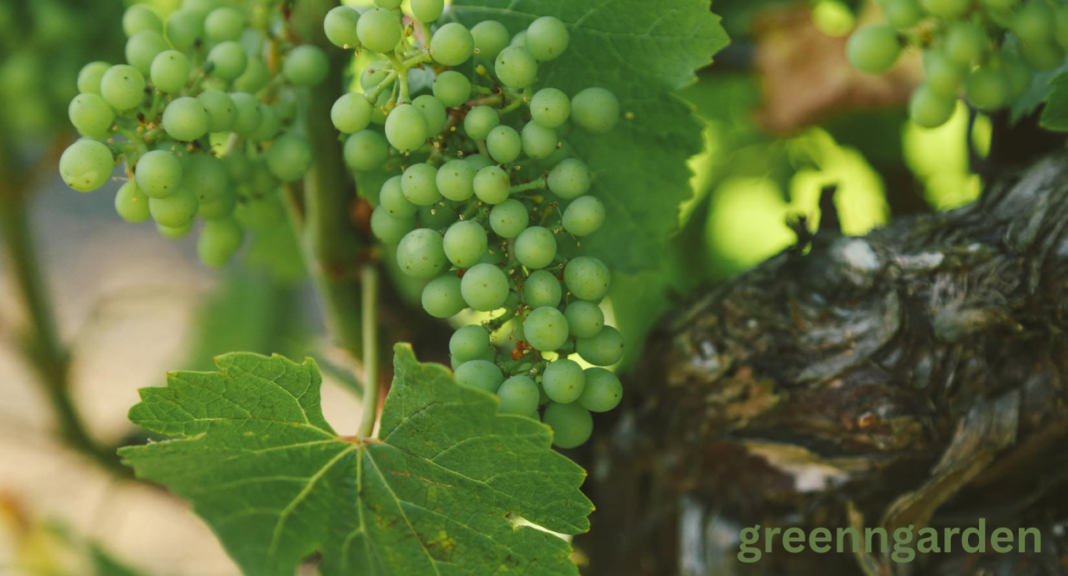

Grapes are one of the world’s most widely consumed fruits. They are enjoyed fresh, dried as raisins, or processed into juice, jelly, and wine. However, in recent years, reports of a grape shortage have raised concerns among consumers, farmers, and businesses. While a global grape shortage may not always occur, regional supply issues can affect prices and availability due to weather, pests, labor shortages, and transportation challenges.
What Is a Grape Shortage?
A grape shortage occurs when the supply of grapes is lower than consumer demand. This imbalance can lead to:
- Higher grocery prices
- Limited availability of certain grape varieties
- Reduced exports
- Delays in food manufacturing
- Increased costs for juice, raisins, and wine
Shortages may affect fresh table grapes, wine grapes, or grapes intended for processing, depending on the cause.
Common Causes of a Grape Shortage
Several factors can contribute to grape shortages around the world.
Extreme Weather Conditions
Weather is one of the biggest influences on grape production.
Drought
Grapevines require consistent water during the growing season. Severe drought can reduce grape size, lower yields, and weaken vines.
Frost Damage
Late spring frosts can damage young grape buds before they develop into fruit, significantly reducing the harvest.
Heatwaves
Excessive temperatures can cause grapes to ripen too quickly, lose moisture, or suffer sunburn, affecting both quality and quantity.
Heavy Rain
Rain near harvest can cause grapes to split, rot, or develop fungal diseases, making them unsuitable for sale.
Plant Diseases and Pests
Grapes are vulnerable to various diseases and insects.
Common threats include:
- Powdery mildew
- Downy mildew
- Botrytis bunch rot
- Pierce’s disease
- Grapevine moths
- Phylloxera
Outbreaks can destroy vineyards or reduce production, leading to local shortages.
Labor Shortages
Harvesting grapes often requires skilled workers, especially for premium table grapes and wine grapes.
Labor shortages may result from:
- Seasonal worker shortages
- Immigration restrictions
- Rising labor costs
- Competition from other agricultural industries
If grapes cannot be harvested on time, growers may lose part of their crop.
Supply Chain Problems
Even when grape harvests are strong, transportation issues can limit market availability.
Supply chain disruptions may include:
- Shipping delays
- Container shortages
- Fuel price increases
- Port congestion
- Truck driver shortages
These factors can reduce grape supplies in stores and increase prices.
Rising Production Costs
Farmers face increasing costs for:
- Fertilizers
- Fuel
- Irrigation
- Farm equipment
- Packaging
- Labor
Higher production expenses often translate into more expensive grapes for consumers.
Regions Most Affected by Grape Shortages
Many countries grow grapes commercially, including:
- United States
- Italy
- Spain
- France
- Chile
- Peru
- South Africa
- Australia
- India
- Turkey
If poor weather or disease affects one major producing region, global supply may tighten until other regions begin harvesting.
How a Grape Shortage Affects Consumers
Consumers often notice shortages through changes in grocery stores.
Possible effects include:
Higher Prices
Limited supply usually results in increased prices for fresh grapes, raisins, grape juice, and wine.
Fewer Variety Choices
Popular grape varieties may become harder to find, leaving only limited options available.
Lower Product Availability
Food manufacturers that use grapes may experience shortages, affecting products such as:
- Raisins
- Juice
- Jelly
- Wine
- Fruit snacks
Impact on Farmers
A grape shortage doesn’t always benefit growers.
While higher prices may increase revenue, farmers may still lose income due to:
- Smaller harvests
- Crop damage
- Increased operating costs
- Vineyard maintenance expenses
- Lower fruit quality
Many vineyards also require years to recover after severe weather events.
Can Climate Change Increase Grape Shortages?
Climate change is becoming an important factor in grape production.
Changing weather patterns may increase:
Heat Stress
Long periods of extreme heat can reduce fruit quality and yields.
Water Scarcity
Many grape-growing regions face declining water supplies due to prolonged drought.
Unpredictable Seasons
Unexpected frosts, storms, and rainfall can damage crops during sensitive growth stages.
As climate conditions continue to change, vineyards may need to adopt new farming techniques and drought-resistant grape varieties.
How Farmers Reduce the Risk of Shortages
Growers use several strategies to protect grape production.
These include:
Efficient Irrigation
Drip irrigation helps conserve water while keeping vines healthy.
Disease Management
Regular monitoring and preventive treatments reduce crop losses.
Improved Vineyard Practices
Proper pruning, canopy management, and soil care improve grape quality and resilience.
New Grape Varieties
Researchers continue developing grape varieties that better tolerate drought, heat, and disease.
Will the Grape Shortage Continue?
Future grape supplies depend on many factors.
Production may improve if:
- Weather conditions stabilize
- Supply chains recover
- Labor becomes more available
- Farmers successfully manage diseases
However, regional shortages may still occur due to unpredictable environmental conditions.
Tips for Consumers During a Grape Shortage
If grapes become scarce or expensive, consider these tips:
- Buy grapes when they are in season.
- Freeze extra grapes for later use.
- Compare prices at different stores.
- Try locally grown grapes when available.
- Substitute with other fruits such as apples, berries, or pears if needed.
These strategies can help manage grocery costs while maintaining a healthy diet.
Conclusion
A grape shortage can result from extreme weather, plant diseases, labor shortages, transportation challenges, and rising production costs. While shortages are often regional rather than global, they can still affect prices, availability, and the products consumers rely on every day.
Farmers continue adapting through improved irrigation, better disease management, and more resilient grape varieties. As climate and market conditions evolve, maintaining stable grape supplies will require ongoing innovation and sustainable farming practices.
FAQs
Is there currently a global grape shortage?
Not necessarily. Grape availability varies by region, season, and growing conditions. Some areas may experience temporary shortages while others have normal production.
Why are grapes becoming more expensive?
Higher production costs, weather-related crop losses, transportation expenses, and supply chain disruptions can all contribute to increased grape prices.
Which countries produce the most grapes?
Major grape-producing countries include China, Italy, Spain, France, the United States, Turkey, India, Chile, and South Africa.
Does climate change affect grape production?
Yes. Rising temperatures, drought, extreme weather, and changing rainfall patterns can reduce grape yields and affect fruit quality.
Can grape shortages affect wine production?
Yes. Reduced harvests of wine grapes can limit wine production and increase prices, especially for wines made from specific grape varieties.