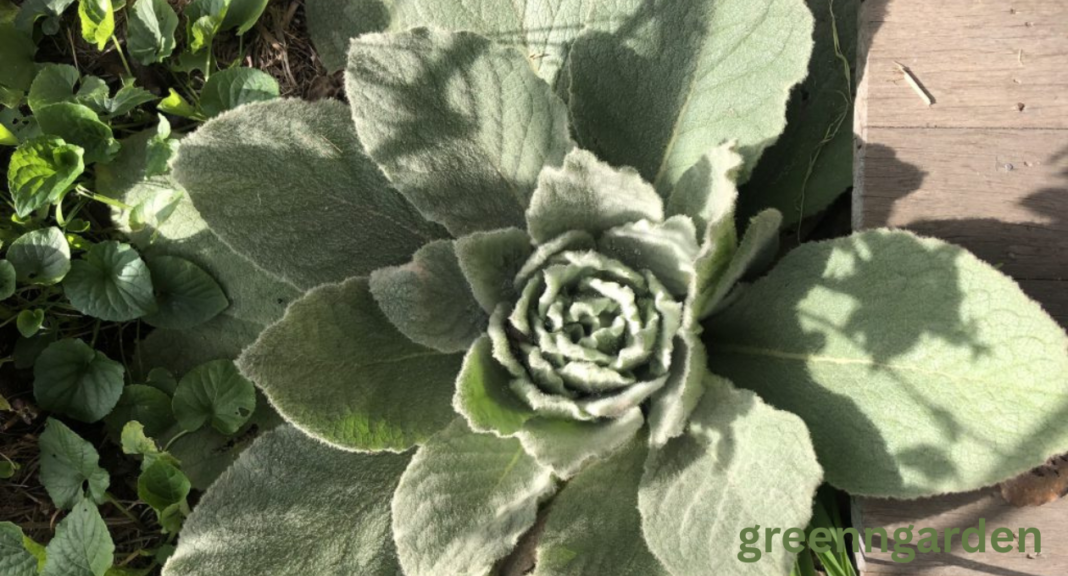

Mullein Look Alikes (Verbascum thapsus) is a recognizable wild plant known for its soft, fuzzy leaves and tall yellow flower spikes. It has been used in traditional herbal practices for centuries and is commonly found in roadsides, fields, meadows, and disturbed soils. However, several plants resemble mullein during different stages of growth, making it easy to confuse them.
Understanding mullein look alikes is essential for gardeners, foragers, hikers, and nature enthusiasts. While some similar plants are harmless, others have different growing habits, medicinal properties, or potential risks. This guide explains the most common plants that resemble mullein and highlights the features that make each one unique.
What Makes Mullein Easy to Recognize?
Before comparing look alikes, it’s helpful to know the defining characteristics of true mullein.
Key Identification Features
- Thick, velvety gray-green leaves
- Leaves covered with dense, soft hairs
- Basal rosette during the first year
- Tall flower stalk in the second year
- Bright yellow flowers growing along the spike
- Can reach heights of 5–8 feet
These distinctive traits help separate mullein from many similar-looking plants.
Why Mullein Has Look Alikes
Many wild plants develop fuzzy leaves or grow in rosette formations during their early stages. Environmental conditions such as drought, poor soil, and sunlight can also cause unrelated species to appear similar.
Careful observation of leaf texture, flower color, stem shape, and plant height usually reveals the correct identification.
Common Mullein Look Alikes
Lamb’s Ear (Stachys byzantina)
Lamb’s ear is one of the closest visual matches because its leaves are also soft and covered in fuzzy hairs.
Similarities
- Silvery-gray foliage
- Velvety leaf texture
- Thick leaves with dense hairs
Differences
- Leaves stay close to the ground
- Forms compact garden clumps
- Produces purple flower spikes instead of yellow
- Much shorter than mature mullein
Lamb’s ear is commonly grown as an ornamental perennial rather than a wild weed.
Common Foxglove (Digitalis purpurea)
Foxglove can resemble mullein during its first-year rosette stage.
Similarities
- Large basal leaves
- Upright flowering stalk
- Tall mature growth
Differences
- Leaves are greener and less fuzzy
- Flowers are pink, purple, or white
- Bell-shaped blossoms hang downward
- Foxglove is highly poisonous
Always identify foxglove carefully before handling or harvesting wild plants.
Great Burdock (Arctium lappa)
Young burdock plants may resemble mullein when viewed from above.
Similarities
- Large broad leaves
- Basal rosette growth
- Common along roadsides
Differences
- Leaves are green on top and whitish underneath
- Surface feels rough instead of velvety
- Produces burr-like seed heads
- Flower heads are purple
Burdock eventually becomes much bushier than mullein.
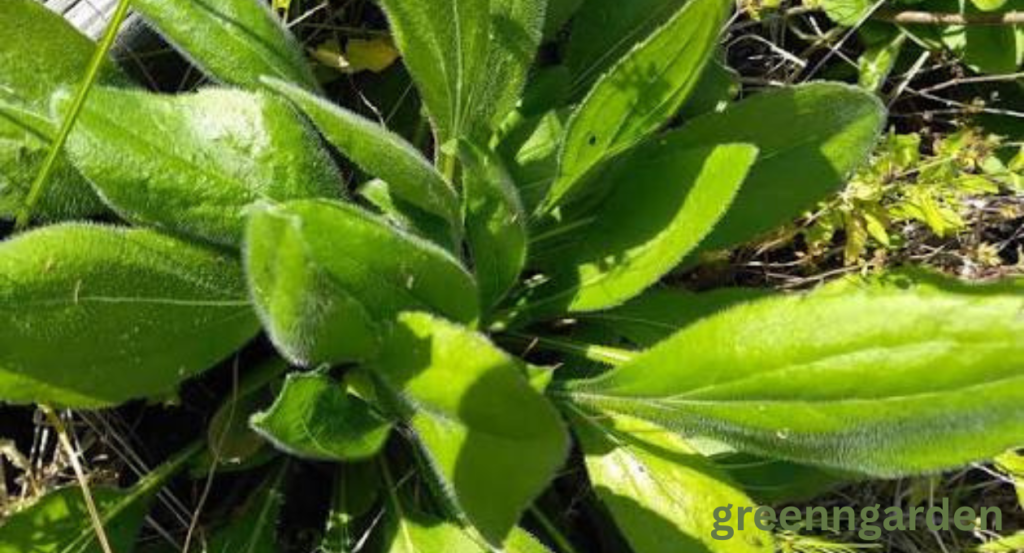
Comfrey (Symphytum officinale)
Comfrey shares fuzzy leaves with mullein but differs in several important ways.
Similarities
- Hairy leaves
- Large foliage
- Medicinal history
Differences
- Leaves are rough rather than soft
- Purple, cream, or blue bell-shaped flowers
- Branching stems
- Grows in dense clumps
Comfrey prefers moist soil, while mullein often thrives in dry conditions.
Evening Primrose (Oenothera biennis)
Evening primrose develops a basal rosette that can confuse beginners.
Similarities
- Rosette leaf arrangement
- Tall flowering stalk
- Yellow flowers
Differences
- Leaves are smooth with little fuzz
- Flowers are much larger
- Blooms open during evening hours
- Stems branch more than mullein
The smooth leaves are one of the easiest ways to distinguish it.
Woolly Teasel (Dipsacus fullonum)
Young teasel plants occasionally resemble mullein before flowering.
Similarities
- Rosette growth
- Tall flowering stem
- Roughly similar leaf shape
Differences
- Leaves have sharp prickles
- Flower heads are oval and spiny
- Purple flowers instead of yellow
- Stem leaves join together around the stalk
The spiny flower heads make mature teasel easy to identify.
How to Tell True Mullein Apart
Examine the Leaves
Mullein leaves feel exceptionally soft, almost like felt. Few other wild plants have such dense, velvety hairs covering both surfaces.
Look at the Flowers
True mullein produces small, five-petaled yellow flowers tightly packed along a single tall spike.
Observe the Stem
The flowering stem is thick, upright, and usually unbranched.
Check Plant Height
Mature mullein commonly grows between 5 and 8 feet tall, towering above many similar species.
Where Mullein Commonly Grows
Mullein prefers sunny, dry environments including:
- Roadsides
- Meadows
- Open fields
- Gravel areas
- Hillsides
- Disturbed ground
- Vacant lots
Many look alike plants prefer wetter soils, woodland edges, or cultivated gardens, making habitat another useful clue.
Why Proper Identification Matters
Correct plant identification is important for several reasons.
Safety
Some mullein look alikes, such as foxglove, contain toxic compounds that should never be consumed.
Gardening
Knowing the difference helps gardeners decide whether to keep, transplant, or remove volunteer plants.
Herbal Uses
People interested in herbal traditions should accurately identify plants before using them. Misidentification can reduce effectiveness or create health risks.
Tips for Identifying Mullein in the Wild
Beginners can improve their identification skills by following a few simple practices.
- Feel the leaf texture carefully.
- Compare flower color and shape.
- Observe the plant throughout the growing season.
- Notice the habitat where it grows.
- Use multiple characteristics rather than relying on a single feature.
- Consult reliable regional field guides when uncertain.
Conclusion
Mullein is one of the easiest wild plants to recognize once you understand its unique combination of fuzzy leaves, tall flower spike, and bright yellow blooms. However, several plants—including lamb’s ear, foxglove, burdock, comfrey, evening primrose, and teasel—can resemble it during different growth stages.
Taking time to examine leaf texture, flower structure, stem shape, and habitat will help you confidently distinguish true mullein from its look alikes. Accurate identification not only supports safe foraging but also improves gardening and appreciation of native plant diversity.
Faqs
Is lamb’s ear the closest mullein look alike?
Yes. Lamb’s ear has similar fuzzy, silvery leaves, but it remains much shorter and produces purple flowers.
Can foxglove be mistaken for mullein?
Yes. Young foxglove plants resemble mullein, but foxglove has smoother leaves, colorful bell-shaped flowers, and is highly poisonous.
Does mullein always have fuzzy leaves?
Yes. Dense, soft hairs covering the leaves are one of the plant’s most distinctive identification features.
What color are mullein flowers?
True mullein produces bright yellow flowers arranged on a tall central spike.