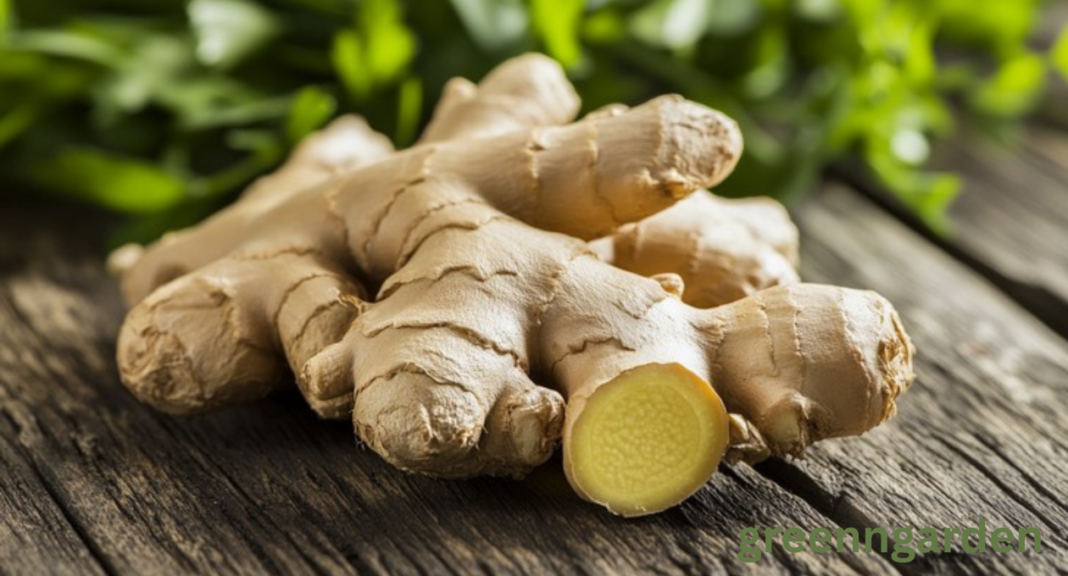

A ginger shortage occurs when global demand for ginger exceeds the available supply. The most common reasons include extreme weather, crop diseases, supply chain disruptions, labor shortages, and rising consumer demand. A shortage can increase prices, reduce availability, affect food manufacturers and restaurants, and create challenges for international trade. Understanding why shortages happen helps consumers and businesses prepare more effectively.
What Is a Ginger Shortage?
Ginger is one of the world’s most valuable spices. It is used in cooking, beverages, herbal medicine, cosmetics, and pharmaceutical products. Because it serves so many industries, any disruption in production or transportation can quickly affect global markets.
A ginger shortage does not always mean ginger disappears from stores. More often, it means there is not enough supply to meet growing demand. As a result, prices rise, retailers limit stock, and businesses pay more for raw materials.
Many countries depend on imported ginger. If one or more major producing countries experience poor harvests, the effects can spread worldwide within weeks.
Why Is Ginger Important?
Ginger has been used for thousands of years because of its unique flavor and versatility.
Today, it is commonly used in:
- Home cooking
- Asian cuisine
- Baking and desserts
- Herbal teas
- Soft drinks
- Smoothies
- Wellness products
- Dietary supplements
- Pharmaceutical products
- Cosmetic and skincare products
Its widespread use means that any supply disruption affects multiple industries at once
Main Causes of a Ginger Shortage
Extreme Weather and Climate Change
Weather remains the biggest factor affecting ginger production.
Heavy rainfall can flood farms and damage ginger roots before harvest. Long droughts reduce plant growth because ginger requires consistent moisture. Hurricanes, cyclones, and storms may destroy entire farming regions within hours.
Climate change has also made weather patterns more unpredictable. Farmers now face irregular rainfall, longer dry seasons, and higher temperatures, making it more difficult to produce stable harvests every year.
Why Weather Matters
Unlike some crops, ginger requires several months to mature. If weather damages fields early in the growing season, farmers cannot simply replant and harvest again a few weeks later. Recovery often takes an entire growing cycle.
Crop Diseases and Pest Problems
Ginger plants are vulnerable to several diseases that reduce production.
Common problems include:
- Bacterial wilt
- Soft rot disease
- Rhizome rot
- Leaf spot diseases
- Nematode infestations
These diseases spread rapidly in wet conditions and can destroy large sections of farmland.
Farmers often invest heavily in disease prevention, but severe outbreaks may still reduce harvest yields significantly
Supply Chain Disruptions
Growing ginger is only one part of the supply process.
After harvesting, ginger must be:
- Cleaned
- Sorted
- Packed
- Transported
- Exported
- Distributed to wholesalers
- Delivered to retailers
A problem at any stage can reduce availability.
For example, shipping delays, container shortages, labor strikes, fuel price increases, or port congestion can slow deliveries even when farms produce enough ginger.
Rising Global Demand
Consumer demand for ginger has increased steadily over the past decade.
People now use ginger in:
- Herbal teas
- Wellness drinks
- Smoothies
- Dietary supplements
- Traditional remedies
- Functional foods
Food manufacturers are also creating more ginger-flavored products, increasing demand even further.
When demand grows faster than production, shortages become more likely.
Rising Farming Costs
Modern agriculture has become more expensive.
Farmers must pay for:
- Fertilizer
- Irrigation
- Farm equipment
- Fuel
- Labor
- Transportation
- Crop protection
Higher production costs may reduce planting areas or increase the selling price of harvested ginger.
How a Ginger Shortage Affects Consumers
Higher Prices
The most noticeable effect is rising prices.
Fresh ginger often becomes more expensive during periods of limited supply. Powdered ginger, dried ginger, ginger tea, and processed foods may also cost more because manufacturers pay higher prices for ingredients.
Limited Availability
Retail stores may temporarily run out of fresh ginger or receive smaller deliveries.
Some supermarkets may limit how much customers can purchase during severe shortages.
Restaurants may also adjust recipes or temporarily remove ginger-based menu items.
More Expensive Processed Products
Products containing ginger often become more expensive, including:
- Ginger tea
- Ginger biscuits
- Herbal supplements
- Soft drinks
- Candies
- Sauces
- Marinades
Manufacturers may pass higher ingredient costs on to consumers.
Industries Most Affected
Food Industry
Restaurants, bakeries, beverage companies, and packaged food manufacturers rely heavily on stable ginger supplies.
Higher prices increase operating costs and reduce profit margins.
Small businesses often feel the impact more quickly than larger companies because they have fewer supplier options.
Health and Wellness Industry
Many herbal products contain ginger because it has traditionally been used in wellness products.
Manufacturers may experience higher production costs during shortages.
Some companies may temporarily source ginger from different regions to maintain production.
International Trade
Countries that import large quantities of ginger often experience higher import costs during shortages.
Exporting countries may benefit from stronger prices, but reduced harvests can limit export volumes.
Practical Tips During a Ginger Shortage
Buy Responsibly
Avoid panic buying.
Purchasing only what you need helps stabilize supply and allows other consumers to access available stock.
Store Ginger Properly
Fresh ginger lasts much longer when stored correctly.
For best results:
- Refrigerate unpeeled ginger in an airtight bag.
- Freeze peeled or sliced ginger for long-term storage.
- Keep powdered ginger in a cool, dry place away from moisture.
Proper storage reduces food waste and saves money.
Consider Alternatives
Although ginger has a unique taste, some recipes work well with alternatives.
Possible substitutes include:
- Galangal
- Turmeric
- Ground ginger
- Allspice (in baking)
- Cinnamon (for certain desserts)
The best substitute depends on the recipe.
Support Local Farmers
Buying locally grown ginger, when available, helps regional agriculture and may reduce dependence on international supply chains.
Local purchasing also shortens transportation distances, which can improve freshness.
Original Insight Why Future Ginger Shortages May Become More Common
Global food systems are becoming increasingly interconnected.
One weather event, transportation disruption, or disease outbreak in a major producing country can influence prices across multiple continents.
Businesses that rely on a single supplier face greater risks than those with diversified supply chains.
Consumers who understand seasonal availability and practice responsible purchasing are generally less affected during temporary shortages.
Technology, improved farming techniques, disease-resistant crop varieties, and better logistics can reduce future shortages, but climate uncertainty remains a long-term challenge.
Key Takeaways
- Ginger shortages occur when supply cannot meet demand.
- Climate change and extreme weather are major contributing factors.
- Crop diseases and pests reduce harvest quality and yield.
- Transportation and shipping disruptions affect global availability.
- Rising consumer demand increases market pressure.
- Consumers can reduce the impact by storing ginger properly and buying responsibly.
- Businesses benefit from diversified suppliers and improved inventory planning.
faqs
What causes a ginger shortage?
Weather damage, crop diseases, transportation disruptions, labor shortages, and growing global demand are the primary causes.
Why has ginger become more expensive?
Prices increase because reduced supply and strong consumer demand create market pressure.
How long do ginger shortages usually last?
Some shortages last only a few weeks, while others continue for several months depending on harvest recovery and supply chain improvements.
Can I freeze fresh ginger?
Yes. Frozen ginger maintains good quality for several months and is easy to grate directly into recipes.
Which industries depend most on ginger?
Food manufacturers, restaurants, beverage companies, herbal supplement producers, pharmaceutical manufacturers, and cosmetic companies all rely heavily on ginger.
Conclusion
A ginger shortage is more than a temporary increase in grocery prices—it reflects the complex relationship between agriculture, climate, transportation, and global demand. Weather extremes, crop diseases, supply chain disruptions, and rising production costs all contribute to limited availability. While shortages can create challenges for consumers and businesses, practical steps such as responsible purchasing, proper storage, supplier diversification, and support for local farmers can reduce their impact. As farming technology and supply chain management continue to improve, the industry will become more resilient, but adapting to changing climate conditions will remain essential for ensuring a stable global ginger supply.