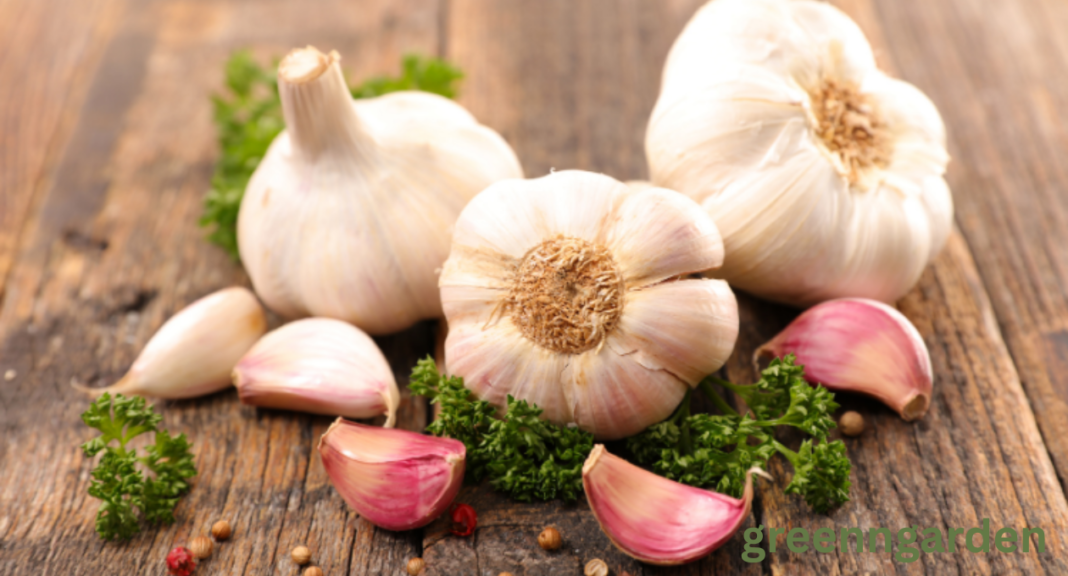

A garlic shortage occurs when the global supply of garlic cannot meet consumer and business demand. Poor weather, crop diseases, labor shortages, transportation disruptions, and increasing demand are the main causes. A shortage often leads to higher prices, limited availability, and challenges for households, restaurants, and food manufacturers worldwide.
What Is a Garlic Shortage?
Garlic is one of the most widely used ingredients in kitchens around the world. It adds flavor to countless recipes and is also valued for its traditional medicinal uses. A garlic shortage happens when production or distribution is disrupted, making it difficult for suppliers to provide enough garlic to meet market demand.
Unlike seasonal price changes, a true shortage affects multiple regions and industries. Consumers may notice higher grocery prices, while businesses often struggle with increased production costs.
Why Garlic Is Important
Garlic is used in many industries, including:
- Home cooking
- Restaurants and catering
- Food manufacturing
- Spice production
- Health supplements
- Traditional herbal products
Because garlic is such an essential ingredient, even a small reduction in supply can affect global markets.
Main Causes of a Garlic Shortage
Extreme Weather Conditions
Weather has a major influence on garlic production. Drought, excessive rainfall, floods, and unexpected frosts can reduce crop yields. Garlic requires suitable soil conditions and a stable growing season, so unusual weather patterns often damage production.
Plant Diseases and Pests
Garlic crops are vulnerable to fungal diseases, bacterial infections, and pests. These problems reduce both crop quality and harvest size. Farmers may lose a significant portion of their fields if diseases spread quickly.
Supply Chain Disruptions
Even when garlic production is sufficient, transportation problems can create shortages. Shipping delays, container shortages, rising fuel costs, and labor issues can slow deliveries from farms to international markets.
Growing Global Demand
Demand for garlic has increased because it is widely used in cooking, processed foods, and wellness products. As populations grow and international food markets expand, consumption continues to rise. When production cannot keep pace, shortages become more likely.
Rising Farming Costs
Farmers face increasing costs for fertilizer, irrigation, labor, equipment, and transportation. Higher production expenses may reduce planting areas or increase the selling price of garlic.
How a Garlic Shortage Affects Consumers
Higher Grocery Prices
One of the most noticeable effects is an increase in retail prices. Fresh garlic, garlic powder, minced garlic, and garlic-based sauces often become more expensive during supply shortages.
Limited Availability
Supermarkets and local grocery stores may receive smaller shipments, causing temporary shortages. Some retailers may limit the amount customers can purchase during periods of low supply.
Increased Food Costs
Restaurants and food manufacturers rely on garlic in many recipes. Higher ingredient prices may increase menu prices or production costs for packaged foods.
Industries Most Affected
Food and Beverage Industry
Garlic is a key ingredient in sauces, soups, frozen meals, snacks, seasonings, and ready-to-eat foods. Manufacturers may face higher operating costs when supplies become limited.
Hospitality Industry
Restaurants, hotels, and catering businesses often purchase garlic in large quantities. Rising prices can affect profit margins, especially for small businesses.
Health and Wellness Sector
Garlic is commonly found in dietary supplements and traditional wellness products. Limited supply may increase manufacturing costs and reduce product availability.
Practical Tips During a Garlic Shortage
Buy Only What You Need
Avoid panic buying. Purchasing reasonable quantities helps maintain a stable supply for everyone and reduces unnecessary waste.
Store Garlic Properly
Proper storage extends freshness.
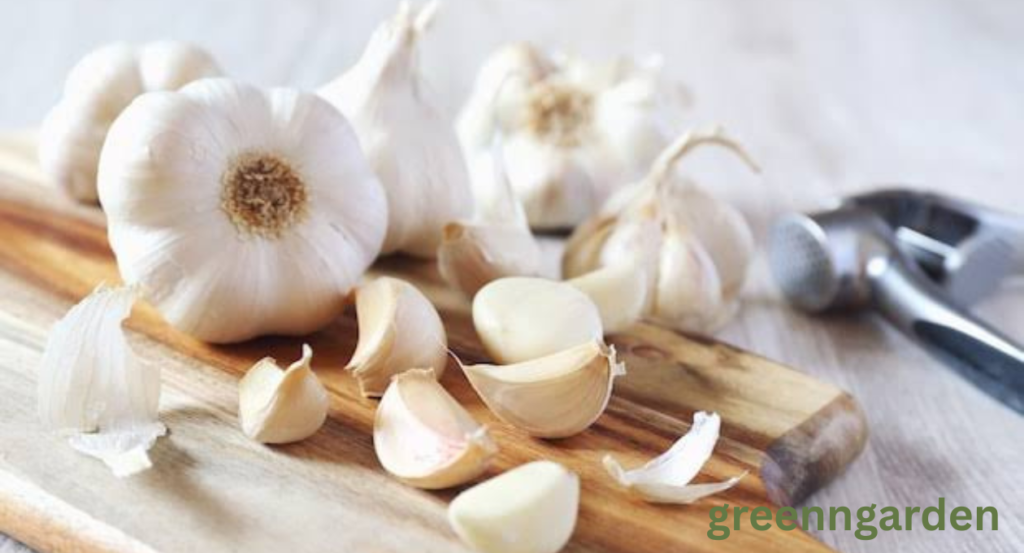
- Keep whole garlic bulbs in a cool, dry, and well-ventilated place.
- Avoid storing fresh garlic in direct sunlight.
- Refrigerate peeled garlic only when necessary.
- Freeze chopped garlic for longer storage.
Consider Suitable Alternatives
Depending on the recipe, onions, shallots, garlic powder, or garlic paste may provide a similar flavor profile when fresh garlic is unavailable.
Support Local Farmers
Buying locally grown garlic helps regional agriculture and reduces dependence on long international supply chains.
Original Insight Why Garlic Shortages Matter
Garlic shortages highlight how connected modern food systems have become. A poor harvest in one major producing country can influence prices in supermarkets around the world. Climate change, transportation challenges, and rising global demand make agricultural markets more vulnerable than ever before.
Businesses that diversify suppliers and consumers who purchase responsibly are often better prepared for temporary shortages.
Key Takeaways
- Garlic shortages happen when supply cannot meet demand.
- Weather, crop diseases, and transportation issues are common causes.
- Consumers often experience higher prices and reduced availability.
- Food manufacturers and restaurants face increased operating costs.
- Proper storage and responsible purchasing help reduce the impact of shortages.
Conclusion
A garlic shortage can affect consumers, businesses, and international markets by increasing prices and limiting availability. While temporary shortages are common in agriculture, understanding their causes helps individuals and companies make informed decisions. Buying responsibly, storing garlic correctly, supporting local growers, and planning ahead are practical ways to reduce the effects of supply disruptions. As farming practices and supply chains continue to improve, the global garlic market is expected to become more resilient over time
Faqs
What causes a garlic shortage?
Poor weather, crop diseases, transportation disruptions, labor shortages, and rising demand are the leading causes.
Why are garlic prices increasing?
Prices rise when supply decreases while consumer demand remains steady or continues to grow.
How long can a garlic shortage last?
The duration depends on harvest recovery, weather conditions, and improvements in supply chains. Some shortages last a few weeks, while others continue for several months.
Can garlic be frozen?
Yes. Chopped or minced garlic can be frozen in airtight containers for extended storage.
Will garlic supplies recover?
In most cases, yes. New harvests and improved logistics usually restore supply, although weather and market conditions influence recovery times.