
Introduction
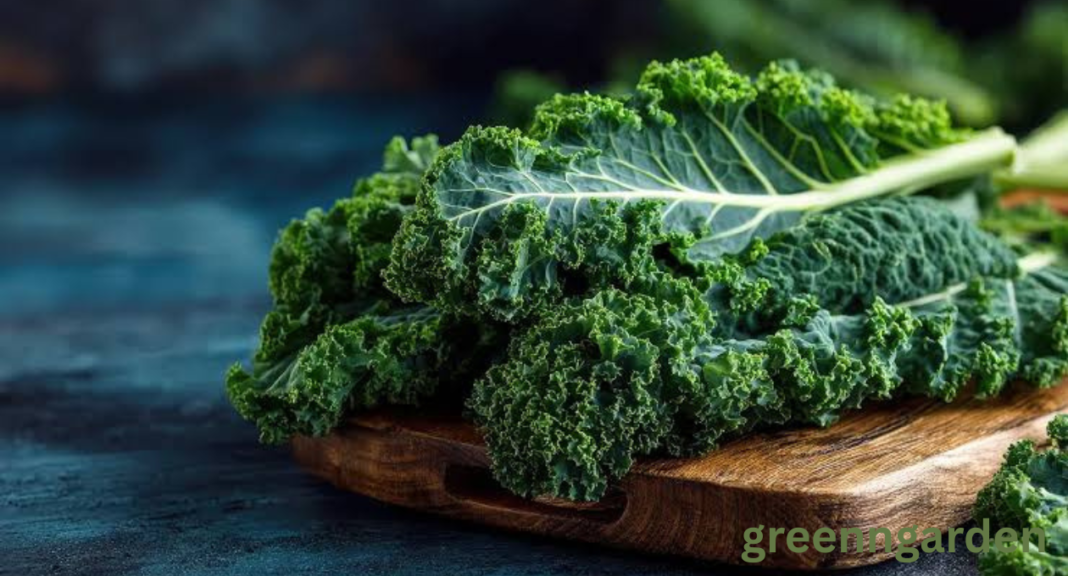
Kale has become one of the most popular leafy green vegetables thanks to its impressive nutritional value and versatility. Whether used in salads, smoothies, soups, or side dishes, kale is a favorite among health-conscious consumers. However, periodic kale shortages have made it more difficult for shoppers and businesses to find affordable, high-quality supplies.
A kale shortage can lead to higher grocery prices, reduced availability, and challenges for restaurants, grocery stores, and food manufacturers. While these shortages are often temporary, understanding why they happen can help consumers make informed purchasing decisions and prepare for future supply disruptions.
What Is a Kale Shortage?
A kale shortage occurs when the available supply of kale cannot meet consumer demand. This imbalance may result from lower crop production, transportation issues, or unexpected increases in demand.
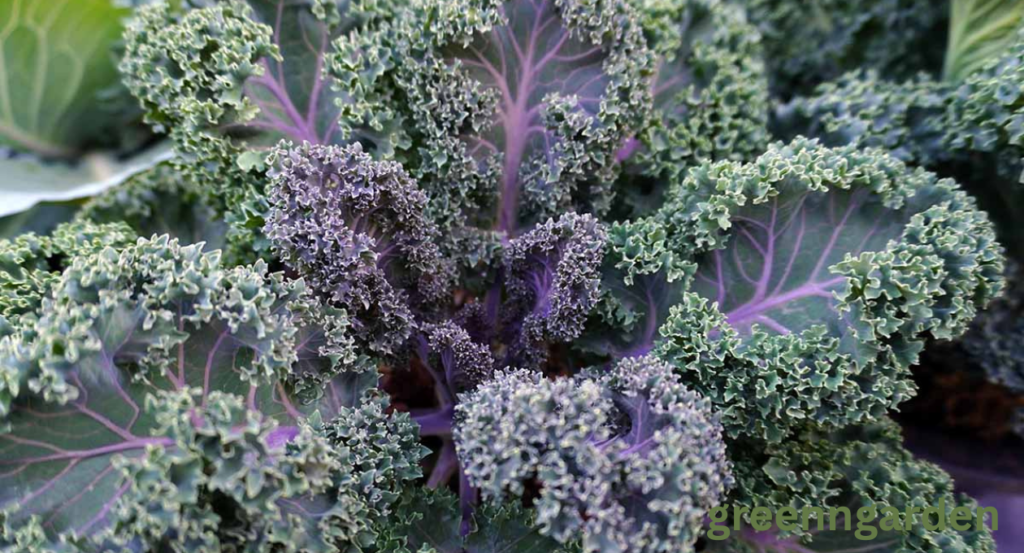
Several varieties of kale may be affected, including:
- Curly kale
- Lacinato (Dinosaur) kale
- Red Russian kale
- Baby kale
- Redbor kale
Depending on the cause, shortages can last from a few weeks to several months.
Why Is There a Kale Shortage?
Several factors contribute to disruptions in kale production and distribution.
Extreme Weather Conditions
Weather plays a major role in kale farming.
Although kale is more cold-tolerant than many vegetables, severe weather can still damage crops. Common weather-related challenges include:
- Heat waves
- Drought
- Heavy rainfall
- Flooding
- Early frosts
- Hailstorms
Excessive heat can cause kale to bolt, reducing both its quality and market value.
Drought and Water Shortages
Reliable irrigation is essential for producing healthy kale.
In many agricultural regions, prolonged drought and water restrictions limit crop growth and reduce harvest yields. Water shortages are becoming more common as climate patterns change.
Plant Diseases
Like other leafy greens, kale is vulnerable to several diseases.
Common diseases include:
- Black rot
- Downy mildew
- Clubroot
- Alternaria leaf spot
Disease outbreaks can spread quickly across fields, reducing harvest volumes and forcing farmers to destroy infected crops.
Pest Infestations
Insects are another major threat to kale production.
Common pests include:
Aphids
Aphids feed on kale leaves, weakening plants and contaminating produce.
Cabbage Worms
These caterpillars chew holes in leaves, making kale less appealing to consumers.
Flea Beetles
Flea beetles create numerous small holes that reduce crop quality and marketability.
Rising Farming Costs
Growing kale has become increasingly expensive.
Farmers face higher costs for:
- Seeds
- Fertilizers
- Fuel
- Labor
- Irrigation
- Farm equipment
As production expenses rise, some growers reduce planting acreage, leading to smaller overall supplies.
Labor Shortages
Harvesting kale requires significant manual labor.
A shortage of farm workers can delay harvesting, increase production costs, and reduce the amount of kale reaching grocery stores before quality declines.
Transportation and Supply Chain Problems
Fresh vegetables depend on efficient transportation.
Problems such as:
- Truck driver shortages
- Fuel price increases
- Distribution delays
- Packaging shortages
- Port disruptions
can all contribute to temporary kale shortages, even when crops are available.
How Does a Kale Shortage Affect Consumers?
Consumers experience several noticeable effects when kale becomes scarce.
Higher Grocery Prices
Reduced supply often leads to higher retail prices.
Organic kale and specialty varieties typically experience the largest price increases during shortages.
Limited Store Availability
Many grocery stores receive fewer shipments.
Customers may notice:
- Empty produce shelves
- Purchase limits
- Fewer kale varieties
- Smaller package sizes
Fewer Healthy Food Options
People who regularly eat kale may need to adjust their meal plans.
Smoothies, salads, soups, and side dishes often require alternative leafy greens when kale is unavailable.
Impact on Restaurants and Food Businesses
Restaurants and food manufacturers are also affected.
Increased Operating Costs
Higher wholesale prices increase food costs for businesses that rely on fresh kale.
Many restaurants must absorb these expenses or raise menu prices.
Menu Changes
Restaurants may temporarily replace kale with:
- Spinach
- Swiss chard
- Collard greens
- Romaine lettuce
- Mixed greens
These substitutions help maintain menu availability while managing costs.
Supply Challenges
Food manufacturers producing packaged salads, frozen vegetable mixes, and prepared meals may experience production delays if kale supplies remain limited.
Best Alternatives During a Kale Shortage
Fortunately, several nutritious vegetables can replace kale in many recipes.
Spinach
Spinach offers a mild flavor and works well in salads, smoothies, and cooked dishes.
Swiss Chard
Swiss chard has tender leaves and colorful stems that make an excellent substitute.
Collard Greens
Collard greens have a similar texture and hold up well during cooking.
Romaine Lettuce
Romaine provides crunch for salads and wraps.
Bok Choy
Bok choy works especially well in stir-fries, soups, and Asian-inspired recipes.
How Consumers Can Save Money During a Kale Shortage
Simple shopping strategies can help reduce grocery expenses.
Buy Seasonal Vegetables
Seasonal produce is usually more affordable and readily available.
Shop at Local Farmers Markets
Local farms may continue selling kale even when national supplies are limited.
Buying locally also supports regional agriculture.
Grow Kale at Home
Kale is relatively easy to grow in:
- Backyard gardens
- Raised beds
- Containers
- Community gardens
It grows well in cooler temperatures and can provide multiple harvests.
Try Frozen Kale
Frozen kale often remains available even when fresh supplies are limited.
It retains much of its nutritional value and works well in soups, casseroles, and smoothies.
Will the Kale Shortage End?
Most kale shortages are temporary.
Supplies typically improve when:
- Weather conditions become favorable
- Farmers plant new crops
- Disease outbreaks are controlled
- Transportation networks stabilize
- Harvest seasons begin
However, changing climate conditions and rising production costs may cause occasional shortages in the future.
Tips to Prepare for Future Kale Shortages
Consumers can minimize the impact of future shortages by following these practical tips:
- Buy only the amount you need.
- Store leafy greens properly to reduce waste.
- Learn recipes using multiple leafy vegetables.
- Support local growers whenever possible.
- Grow kale at home if space allows.
- Stay informed about seasonal produce availability.
Conclusion
A kale shortage can result from extreme weather, drought, crop diseases, pest infestations, rising production costs, labor shortages, and transportation challenges. These factors reduce supply while increasing prices for consumers and businesses.
Although shortages may temporarily affect grocery shopping and restaurant menus, they rarely last forever. Exploring healthy alternatives such as spinach, Swiss chard, collard greens, and bok choy can help maintain a nutritious diet until supplies recover. Supporting local farmers and growing kale at home are also excellent ways to reduce dependence on fluctuating market conditions.
Faqs
Why is there a kale shortage?
Kale shortages are commonly caused by extreme weather, drought, crop diseases, pests, labor shortages, and supply chain disruptions.
Is kale shortage temporary?
Yes. Most shortages last only a few weeks or months until new harvests reach the market.
What can I use instead of kale?
Spinach, Swiss chard, collard greens, romaine lettuce, and bok choy are excellent substitutes.
Does a kale shortage increase grocery prices?
Yes. Lower supply and steady demand generally result in higher retail and wholesale prices.
Can I grow kale at home?
Yes. Kale is easy to grow in gardens, raised beds, and containers, making it a practical option during supply shortages.