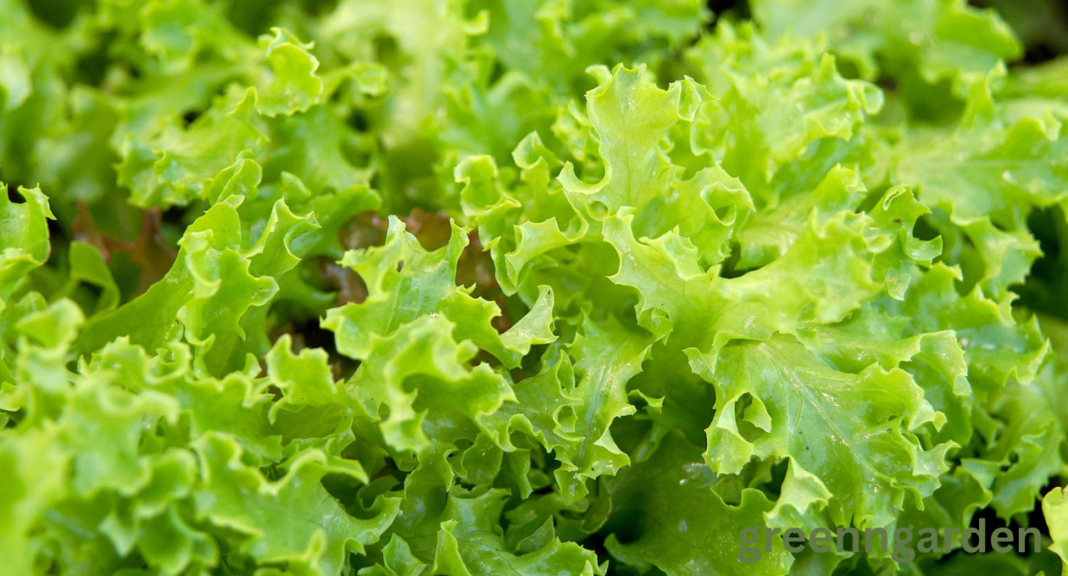

Lettuce is one of the most popular leafy vegetables in the world. It is a staple ingredient in salads, sandwiches, burgers, wraps, and many healthy meals. However, in recent years, consumers and businesses have faced a recurring lettuce shortage, leading to higher prices and limited availability in grocery stores and restaurants.
A lettuce shortage affects everyone—from farmers and retailers to restaurants and home cooks. Understanding why shortages happen can help consumers make informed choices and prepare for future supply disruptions.
What Is a Lettuce Shortage?
A lettuce shortage occurs when the supply of lettuce cannot meet consumer demand. This imbalance causes supermarkets and wholesalers to receive fewer shipments, while prices often increase significantly.
Shortages may affect different lettuce varieties, including:
- Iceberg lettuce
- Romaine lettuce
- Butterhead lettuce
- Green leaf lettuce
- Red leaf lettuce
Depending on the cause, shortages can last from a few weeks to several months.
Why Is There a Lettuce Shortage?
Several factors contribute to lettuce shortages around the world.
Extreme Weather Conditions
Weather is one of the biggest reasons behind lettuce shortages.
Lettuce grows best in cool temperatures. When regions experience:
- Heat waves
- Heavy rainfall
- Flooding
- Frost
- Drought
crop yields decline significantly. Too much moisture also encourages diseases that damage lettuce fields.
Major lettuce-producing regions like California and Arizona are especially vulnerable to weather-related disruptions.
Plant Diseases
Lettuce crops are susceptible to several fungal and bacterial diseases.
Common problems include:
- Downy mildew
- Bottom rot
- Lettuce drop
- Bacterial leaf spot
These diseases spread quickly under favorable conditions and can destroy large portions of a harvest.
Pest Infestations
Insects can severely damage lettuce crops before harvest.
Common pests include:
Aphids
These tiny insects feed on lettuce leaves and contaminate produce.
Leafminers
Leafminers tunnel through leaves, making lettuce unsuitable for sale.
Caterpillars
Various caterpillar species chew through lettuce, reducing crop quality and yield.
Rising Farming Costs
Modern farming has become increasingly expensive.
Farmers face higher costs for:
- Fertilizers
- Fuel
- Labor
- Irrigation
- Equipment maintenance
When production costs rise, some growers reduce planting acreage, contributing to shortages.
Water Shortages
Lettuce requires consistent irrigation throughout its growing season.
Water restrictions, droughts, and declining groundwater supplies limit production in major agricultural areas.
Without adequate water, lettuce heads remain smaller and harvest volumes decrease.
Supply Chain Problems
Even when farmers produce enough lettuce, transportation issues can create shortages.
Common challenges include:
- Truck driver shortages
- Rising fuel costs
- Delayed deliveries
- Labor shortages at distribution centers
- Packaging supply issues
These factors slow the movement of fresh produce to grocery stores.
How Does a Lettuce Shortage Affect Consumers?
Consumers often notice shortages in several ways.
Higher Grocery Prices
One of the first signs is rising prices.
When supply decreases and demand stays high, retailers charge more for lettuce.
In severe shortages, prices may double or even triple.
Limited Product Availability
Stores may:
- Limit customer purchases
- Sell out quickly
- Offer fewer lettuce varieties
- Replace fresh lettuce with packaged alternatives
Restaurants may also remove salads from their menus.
Reduced Food Choices
Many meals rely on fresh lettuce.
A shortage affects:
- Salads
- Burgers
- Sandwiches
- Wraps
- Tacos
Consumers may need to find suitable substitutes.
Impact on Restaurants and Businesses
Restaurants face significant challenges during lettuce shortages.
Increased Food Costs
Restaurants often pay wholesale prices that fluctuate daily.
Higher ingredient costs reduce profit margins unless menu prices increase.
Menu Adjustments
Many restaurants temporarily substitute lettuce with:
- Spinach
- Cabbage
- Kale
- Mixed greens
Some even remove lettuce-based dishes until supplies improve.
Customer Satisfaction
Limited menu options and higher prices may frustrate customers, especially when favorite dishes are unavailable.
Best Alternatives During a Lettuce Shortage
Fortunately, many leafy vegetables work well as substitutes.
Spinach
Spinach offers excellent nutrition and works well in salads and sandwiches.
Kale
Kale is hearty, nutrient-rich, and suitable for salads, soups, and smoothies.
Cabbage
Shredded cabbage provides a crunchy texture for tacos, burgers, and wraps.
Arugula
Arugula adds a peppery flavor that enhances sandwiches and salads.
Mixed Greens
Pre-packaged mixed greens provide variety and are widely available.
How Can Consumers Save Money?
During shortages, smart shopping becomes important.
Buy Seasonal Produce
Seasonal vegetables often cost less and remain widely available.
Shop at Local Farmers Markets
Local growers sometimes have fresh lettuce even when national supplies are limited.
Grow Lettuce at Home
Lettuce grows quickly in:
- Garden beds
- Raised planters
- Containers
- Indoor hydroponic systems
Home gardening reduces dependence on store supplies.
Use Alternatives
Replacing lettuce with spinach or cabbage can significantly lower grocery costs during shortages.
Will the Lettuce Shortage End?
Most lettuce shortages are temporary.
Supply generally improves when:
- Weather conditions stabilize
- New planting seasons begin
- Transportation improves
- Disease outbreaks decline
- Harvest volumes increase
However, climate change may contribute to more frequent disruptions in the future.
Tips for Preparing for Future Shortages
Consumers can reduce the impact of shortages by following these simple strategies:
- Stay informed about seasonal produce.
- Buy only what you need to reduce waste.
- Try different leafy greens.
- Freeze vegetables that can be stored long-term.
- Support local farms whenever possible.
- Consider growing lettuce at home.
Conclusion
A lettuce shortage can result from extreme weather, crop diseases, pests, water shortages, rising farming costs, and supply chain disruptions. These factors reduce production, increase prices, and limit availability for consumers and businesses alike.
Although shortages can be frustrating, they are usually temporary. Exploring nutritious alternatives like spinach, kale, cabbage, and arugula can help maintain healthy meals while reducing grocery expenses. Staying flexible and supporting local agriculture are practical ways to navigate future supply challenges.
Faqs
Why is there a lettuce shortage?
Lettuce shortages are typically caused by extreme weather, crop diseases, pests, drought, rising production costs, and transportation issues.
How long does a lettuce shortage usually last?
Most shortages last from several weeks to a few months, depending on growing conditions and harvest recovery.
What is the best substitute for lettuce?
Spinach, kale, cabbage, arugula, and mixed greens are excellent alternatives for salads, sandwiches, and wraps.
Does a lettuce shortage increase prices?
Yes. Reduced supply combined with steady demand usually leads to higher retail and wholesale prices.
Can I grow lettuce at home?
Yes. Lettuce is one of the easiest vegetables to grow in containers, raised beds, or small home gardens, making it a great option during supply shortages.