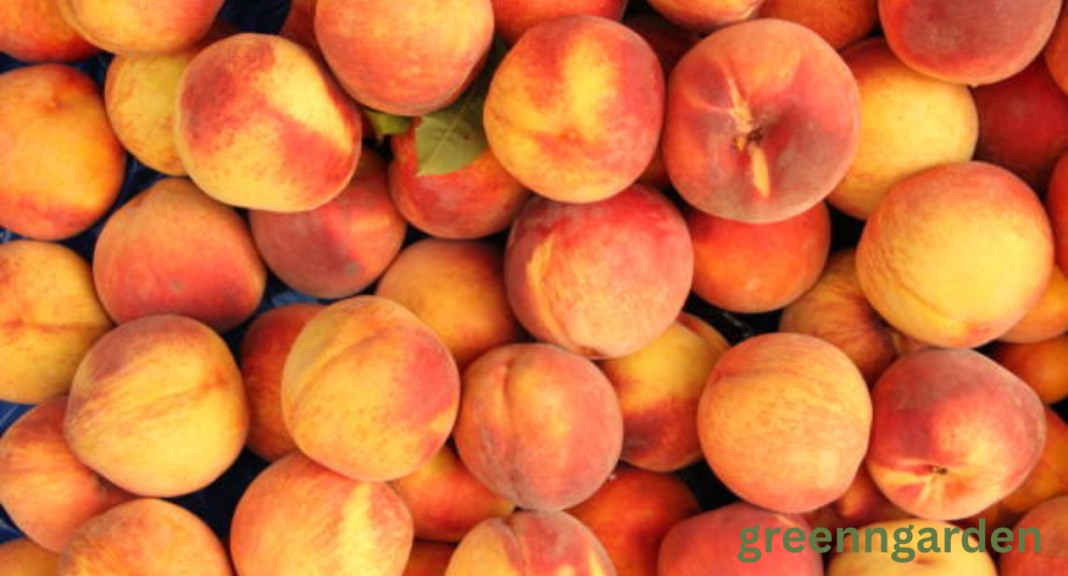

Fuzzy fruits are easy to recognize because of their soft, velvety, or hairy skin. While some people peel them before eating, others enjoy them whole. These fruits are packed with vitamins, minerals, antioxidants, and fiber, making them a healthy addition to any diet. From the classic peach to the unique kiwi, fuzzy fruits come in different flavors, colors, and textures.
What Are Fuzzy Fruits?
Fuzzy fruits are fruits covered with tiny hair-like fibers or a soft, velvety layer. This fuzzy coating acts as a natural shield that helps protect the fruit from insects, harsh sunlight, excessive moisture loss, and certain plant diseases.
Not all fuzzy fruits have thick fuzz. Some have a light, soft coating that is barely noticeable, while others have a more pronounced hairy texture.
Why Do Fruits Have Fuzzy Skin?
The fuzzy coating serves several important purposes:
- Protects against insects and pests
- Reduces water loss during hot weather
- Shields delicate skin from sun damage
- Helps defend against fungal infections
- Supports healthy fruit development
Nature designed this fuzzy layer as an extra form of protection before the fruit ripens.
Common Types of Fuzzy Fruits
Here are some of the most popular fuzzy fruits found around the world.
1. Peach
Peaches are one of the best-known fuzzy fruits. Their soft, velvety skin surrounds sweet, juicy flesh that ranges from white to deep yellow.
Peaches are rich in:
- Vitamin C
- Vitamin A
- Potassium
- Fiber
- Antioxidants
They can be eaten fresh, grilled, baked, or blended into smoothies.
2. Kiwi
Kiwi has brown fuzzy skin with bright green or golden flesh inside. While many people peel the skin, it is actually edible and contains additional fiber.
Kiwis provide:
- High amounts of vitamin C
- Vitamin E
- Potassium
- Folate
- Fiber
They are excellent for fruit salads, desserts, and smoothies.
3. Apricot
Fresh apricots have a light fuzzy texture compared to peaches. Their sweet-tart flavor makes them popular for fresh eating and preserves.
Apricots are a good source of:
- Vitamin A
- Vitamin C
- Potassium
- Fiber
4. Loquat
Loquats have smooth-to-lightly fuzzy yellow or orange skin depending on the variety. They offer a sweet flavor with mild citrus notes.
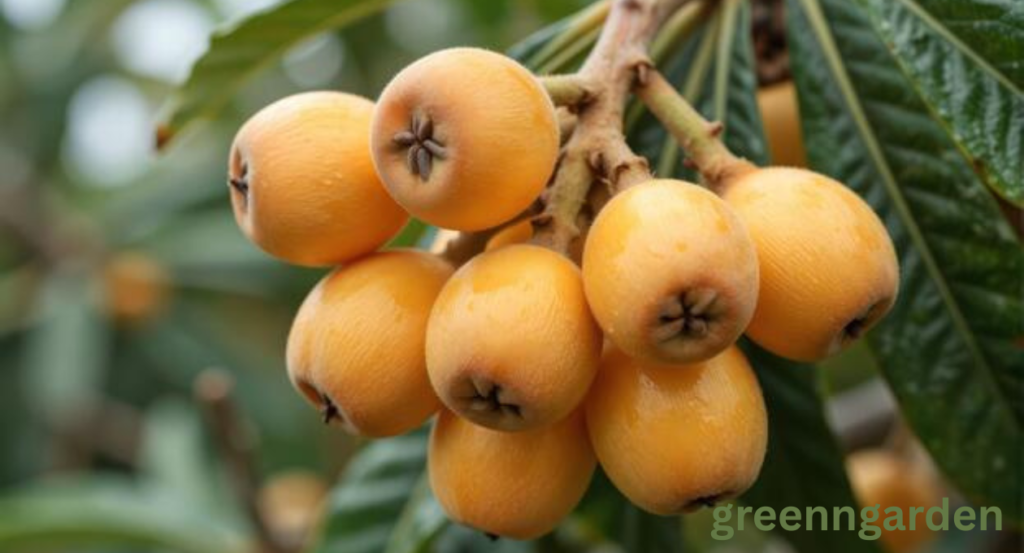
They contain:
- Vitamin A
- Vitamin C
- Calcium
- Potassium
5. Young Almond Fruit
Before almonds fully mature, the outer green hull has a soft fuzzy coating. The immature fruit is sometimes eaten in certain regions, although mature almonds are harvested after the hull dries.
Nutritional Benefits of Fuzzy Fruits
Most fuzzy fruits are nutrient-dense and low in calories.
Rich in Vitamins
Many fuzzy fruits provide essential vitamins including:
- Vitamin C for immune support
- Vitamin A for eye health
- Vitamin E for skin protection
- Vitamin K for bone health
High in Fiber
Fiber helps:
- Improve digestion
- Support gut health
- Keep you full longer
- Maintain healthy cholesterol levels
Eating fruits with edible skin often increases fiber intake.
Loaded With Antioxidants
Fuzzy fruits contain plant compounds that help protect cells from oxidative stress.
Common antioxidants include:
- Polyphenols
- Flavonoids
- Carotenoids
These nutrients support overall health and healthy aging.
Low in Calories
Most fuzzy fruits are naturally low in calories while providing valuable nutrients, making them ideal for healthy snacks and weight management.
Can You Eat the Fuzzy Skin?
It depends on the fruit.
Peach Skin
Yes, peach skin is completely edible. Simply wash it thoroughly before eating.
Kiwi Skin
Kiwi skin is edible and contains additional fiber and nutrients. Some people prefer peeling it because of the texture.
Apricot Skin
Apricot skin is edible and has only a very light fuzz.
If you’re sensitive to fruit fuzz, peeling the fruit is perfectly fine.
Health Benefits of Eating Fuzzy Fruits
Including fuzzy fruits in your diet may offer several health benefits.
Supports Immune Health
Vitamin C helps strengthen the immune system and supports wound healing.
Improves Digestion
The natural fiber found in fruits promotes healthy digestion and regular bowel movements.
Promotes Healthy Skin
Vitamins A, C, and antioxidants help maintain healthy skin by supporting collagen production and protecting against environmental damage.
Supports Heart Health
Potassium and fiber may help support healthy blood pressure and cholesterol levels as part of a balanced diet.
May Reduce Inflammation
Plant antioxidants found in peaches, kiwi, and apricots may help reduce oxidative stress associated with inflammation.
How to Choose Fresh Fuzzy Fruits
When shopping, look for fruits that have:
- Bright, vibrant color
- Fresh-looking skin
- No large bruises
- A pleasant fruity aroma
- Slight softness when gently pressed
Avoid fruits with mold, deep cuts, or shriveled skin.
How to Store Fuzzy Fruits
Proper storage helps maintain freshness.
Room Temperature
Store unripe peaches, kiwis, and apricots at room temperature until they soften.
Refrigerator
Once ripe, refrigerate them to extend freshness for several days.
Freezer
Slice and freeze fruits for smoothies, desserts, or baking.
Delicious Ways to Enjoy Fuzzy Fruits
These fruits are incredibly versatile.
Popular serving ideas include:
- Fresh fruit salads
- Smoothies
- Yogurt bowls
- Oatmeal toppings
- Homemade jams
- Fruit pies
- Grilled peaches
- Fresh salsa
- Healthy snacks
They pair well with nuts, cheese, honey, and fresh herbs.
Are Fuzzy Fruits Safe for Everyone?
Most people can safely enjoy fuzzy fruits. However, a few individuals may experience allergies, especially those with pollen-related food allergies.
Some people may also find peach fuzz irritating around the mouth. Peeling the fruit usually solves this issue.
Always wash fruits thoroughly before eating to remove dirt and pesticide residues.
Conclusion
Fuzzy fruits are delicious, nutritious, and naturally protected by their soft outer coating. Popular varieties like peaches, kiwis, apricots, loquats, and young almond fruits offer vitamins, fiber, antioxidants, and refreshing flavors. Whether you eat them fresh, blend them into smoothies, or use them in desserts, fuzzy fruits are a healthy addition to a balanced diet. With proper storage and preparation, you can enjoy these unique fruits throughout the year.
Faqs
What are fuzzy fruits?
Fuzzy fruits are fruits with soft, hairy, or velvety skin, such as peaches, kiwis, and apricots.
Can you eat fuzzy fruit skin?
Yes. The skin of peaches, kiwis, and apricots is edible after being washed properly, although some people prefer to peel it.
Why are peaches fuzzy?
The fuzzy coating helps protect peaches from insects, water loss, and environmental damage while growing.
Which fuzzy fruit has the most vitamin C?
Kiwi is one of the richest fuzzy fruits in vitamin C, often providing more than an orange per serving.
Are fuzzy fruits healthy?
Yes. They are rich in vitamins, fiber, antioxidants, and minerals that support overall health and wellness.