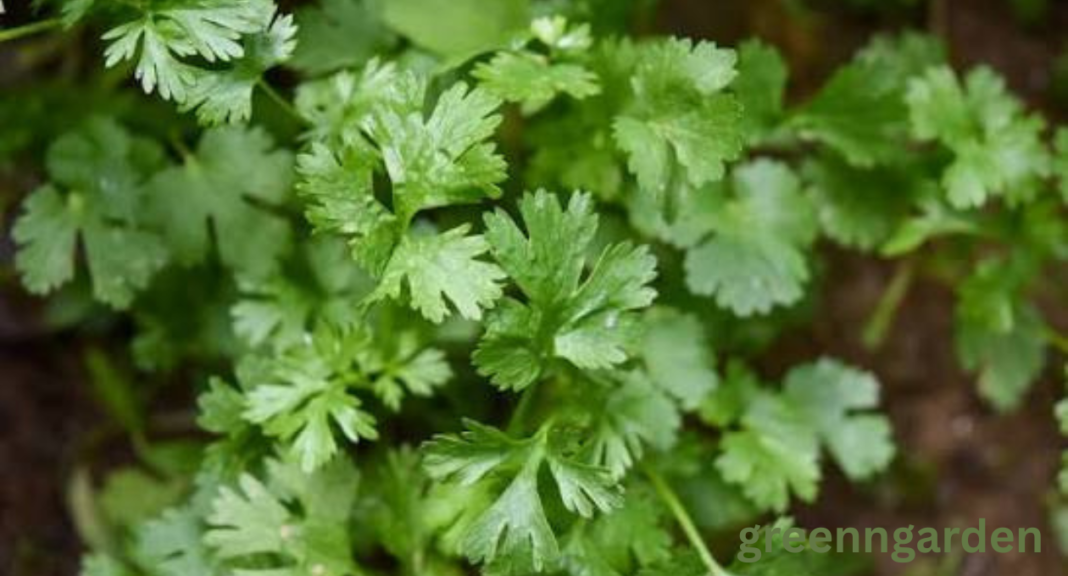

Cilantro is one of the most popular herbs used in kitchens around the world. Known for its fresh flavor and vibrant green leaves, it is a key ingredient in Mexican, Indian, Middle Eastern, Thai, and many other cuisines. However, many consumers and restaurants have recently noticed a cilantro shortage in local grocery stores and markets.
The shortage has raised concerns among home cooks, chefs, and food businesses that rely on fresh herbs every day. Understanding why cilantro becomes scarce can help consumers make informed choices and prepare for temporary supply disruptions.
What Is the Cilantro Shortage?
A cilantro shortage occurs when the supply of fresh cilantro cannot meet consumer demand. During these periods, grocery stores may receive fewer shipments, prices may increase, and restaurants may adjust their menus because of limited availability.
Unlike processed foods, cilantro is highly perishable. It has a short shelf life and requires careful handling from farms to stores. Even small disruptions in the supply chain can quickly lead to shortages.
Main Causes of the Cilantro Shortage
Several factors contribute to cilantro shortages throughout the year.
Weather Conditions
Weather plays a major role in cilantro production. Heavy rainfall, drought, frost, excessive heat, or unexpected storms can damage crops before they are harvested.
Cilantro grows best in cool temperatures. Hot weather often causes the plant to bolt quickly, reducing both leaf quality and overall yield.
Seasonal Growing Challenges
Many regions only grow cilantro during specific seasons. When one growing season ends before another begins, temporary gaps in supply may occur.
Farmers may also switch to different crops depending on market demand and profitability.
Plant Diseases and Pests
Fungal infections, bacterial diseases, and insect infestations can significantly reduce cilantro production. Farmers sometimes lose large portions of their harvest if diseases spread rapidly through fields.
Managing these issues requires additional labor and agricultural resources, increasing production costs.
Transportation and Supply Chain Problems
Fresh herbs travel quickly from farms to grocery stores. Transportation delays caused by fuel costs, labor shortages, border inspections, or weather disruptions can reduce the amount of fresh cilantro reaching consumers.
Since cilantro spoils quickly, delayed shipments often cannot be sold.
Rising Farming Costs
Farmers continue facing higher expenses for fertilizers, irrigation, fuel, packaging materials, and labor. Increased production costs sometimes lead growers to reduce planting acreage or prioritize other crops with higher profits.
How the Cilantro Shortage Affects Consumers
The shortage impacts both households and businesses in several ways.
Higher Prices
When supply decreases while demand remains strong, cilantro prices usually increase. Consumers may pay significantly more for a single bunch compared to normal market conditions.
Limited Availability
Many grocery stores experience empty produce shelves or receive smaller deliveries. Customers may need to visit multiple stores before finding fresh cilantro.
Restaurant Menu Changes
Restaurants that depend on cilantro for tacos, salsa, curries, soups, salads, and garnishes may temporarily modify recipes or reduce portion sizes.
Some establishments substitute other herbs when cilantro is unavailable.
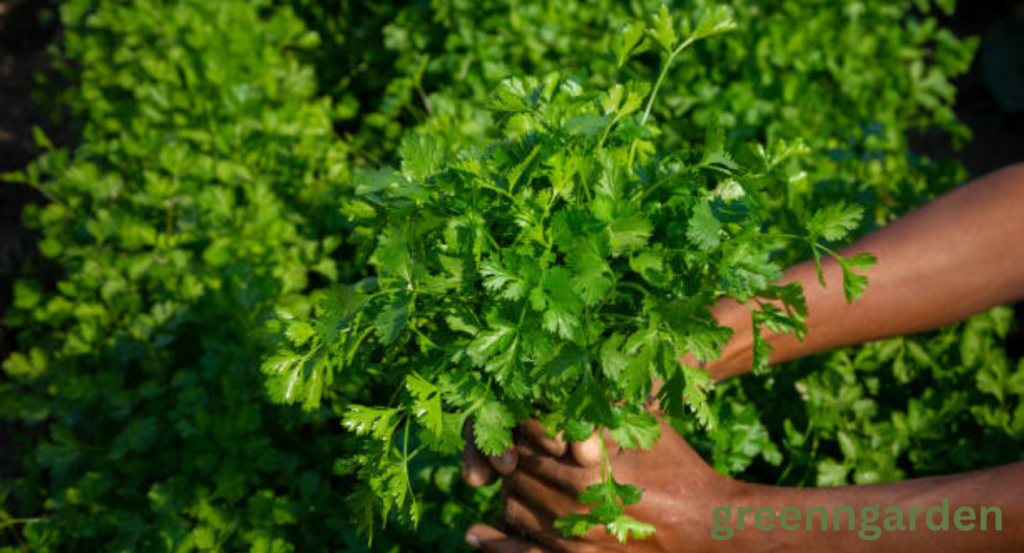
Regions Most Affected
The severity of cilantro shortages varies depending on where the herb is grown and distributed.
Countries that import large amounts of cilantro may experience shortages if exporting regions face poor weather or transportation disruptions.
Areas with local greenhouse production often experience fewer supply issues because they rely less on imported crops.
Can You Substitute Cilantro?
Yes. Although cilantro has a unique flavor, several herbs can replace it in certain recipes.
Parsley
Flat-leaf parsley provides a fresh appearance and mild flavor. While it lacks cilantro’s citrus-like taste, it works well as a garnish.
Fresh Basil
Basil adds aromatic sweetness to salads, sauces, and pasta dishes. It creates a different flavor profile but remains a useful substitute.
Fresh Mint
Mint pairs well with Middle Eastern and Asian dishes where fresh herbs play an important role.
Celery Leaves
The tender leaves of celery provide a mild herbal flavor and can replace cilantro in soups and salads.
How Farmers Are Responding
Farmers and agricultural organizations continue working to reduce future shortages through improved growing techniques.
Some growers now use:
- Greenhouse production
- Better irrigation systems
- Disease-resistant seed varieties
- Precision farming technology
- Improved storage and transportation methods
These efforts help stabilize production even during challenging weather conditions.
Tips for Consumers During a Cilantro Shortage
You can reduce the impact of shortages by following a few simple strategies.
Buy Fresh When Available
Purchase cilantro only when you plan to use it within a few days. Fresh cilantro spoils quickly if stored improperly.
Store It Properly
Trim the stems and place cilantro in a jar with a small amount of water. Cover the leaves loosely with a plastic bag and refrigerate to extend freshness.
Freeze Extra Cilantro
Chopped cilantro can be frozen in airtight containers or ice cube trays with a small amount of water or olive oil for future cooking.
Grow Cilantro at Home
Cilantro grows well in containers, raised beds, and small gardens. Growing your own supply helps reduce dependence on grocery store availability.
Will the Cilantro Shortage Continue?
Most cilantro shortages are temporary. Supply usually improves as weather conditions stabilize, new harvests become available, and transportation systems return to normal.
However, climate change, rising production costs, and global supply chain challenges may continue causing occasional shortages in the future.
Consumers should expect seasonal fluctuations rather than permanent unavailability.
Conclusion
The cilantro shortage highlights how weather, farming challenges, transportation issues, and increasing production costs can affect everyday grocery items. While temporary shortages may lead to higher prices and limited availability, they rarely last for long.
Using alternative herbs, storing cilantro properly, and even growing it at home can help consumers manage supply disruptions. As agricultural technology continues improving, farmers are working to create more reliable harvests and reduce future shortages, ensuring this popular herb remains available for kitchens around the world.
Faqs
Why is there a cilantro shortage?
The shortage is mainly caused by unfavorable weather, seasonal growing conditions, plant diseases, transportation delays, and rising farming costs.
Is cilantro shortage temporary?
Yes. Most shortages are seasonal and improve once new crops are harvested and supply chains stabilize.
Can I replace cilantro with another herb?
Yes. Parsley, basil, mint, and celery leaves are common substitutes depending on the recipe.
Does climate change affect cilantro production?
Yes. Extreme temperatures, droughts, heavy rainfall, and unpredictable weather patterns can reduce cilantro yields.
Can I grow cilantro at home?
Absolutely. Cilantro is relatively easy to grow in containers or gardens, especially during cooler seasons.