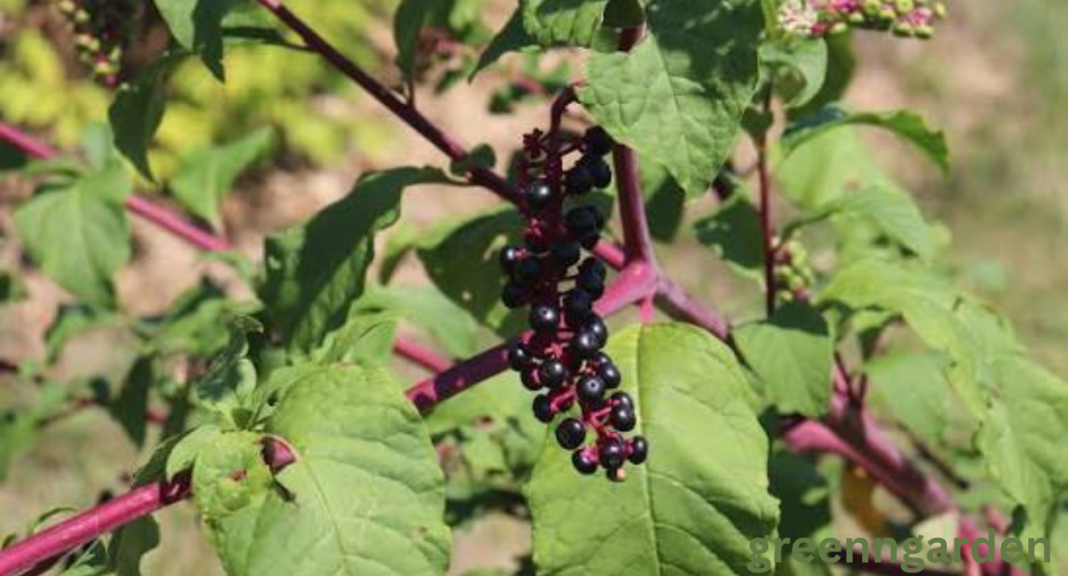

Pokeweed Look Alikes (Phytolacca americana) is a fast-growing wild plant commonly found in fields, roadsides, forests, and backyards across North America. While it has distinctive purple stems and dark berries when mature, several other plants closely resemble pokeweed at different growth stages. Knowing the differences is important because pokeweed is toxic to humans and many animals if consumed.In this guide, you’ll learn about the most common pokeweed look alikes, how to identify the real pokeweed, and tips for staying safe while exploring nature.
How to Identify Pokeweed
Before comparing similar plants, it’s helpful to recognize pokeweed’s key features.
Main Characteristics
- Thick, smooth stems that often turn reddish-purple with age
- Large, simple leaves arranged alternately on the stem
- Small white flowers growing in hanging clusters
- Glossy dark purple or black berries in late summer
- Can grow 6–10 feet tall
- Large white taproot
Every part of pokeweed contains toxic compounds, especially the roots and mature leaves.
Common Pokeweed Look Alikes
Several wild plants share similar leaves, stems, or berries with pokeweed.
1. American Nightshade
American nightshade is one of the most frequently confused plants.
Similarities
- Dark purple or black berries
- Green leaves
- Bushy appearance
Differences
- Much shorter than pokeweed
- Thin green stems instead of thick purple stems
- Berries grow in small clusters rather than long hanging racemes
- Leaves are smaller and thinner
Nightshade is also poisonous, making proper identification important.
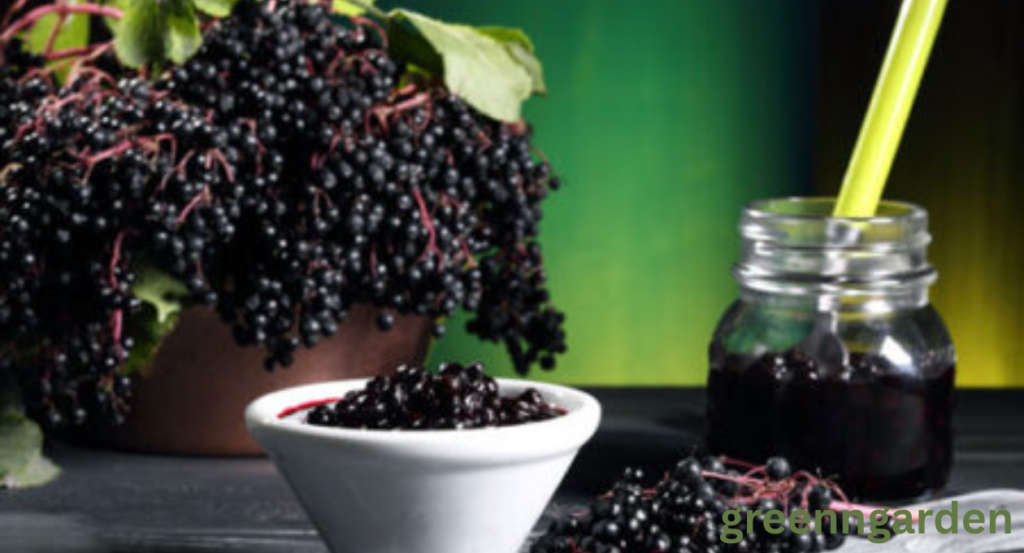
2. Elderberry
Young elderberry shrubs can resemble pokeweed before flowering.
Similarities
- White flowers
- Dark berries later in the season
- Large leafy growth
Differences
- Elderberry is a woody shrub
- Leaves are compound with multiple leaflets
- Berry clusters are flat rather than hanging
- Bark becomes woody with age
Unlike pokeweed, properly cooked elderberries are commonly used in jams and syrups.
3. Dogwood Seedlings
Young dogwood trees sometimes confuse beginners.
Similarities
- Broad green leaves
- Upright growth
Differences
- Leaves grow opposite each other
- Woody stem
- No purple stalk
- Produces different fruit structures
Dogwood eventually develops into a tree rather than a herbaceous plant.
4. Amaranth
Wild amaranth grows in similar habitats.
Similarities
- Tall green stems
- Large leaves
- Rapid summer growth
Differences
- Produces dense flower spikes
- No dark berry clusters
- Usually green or reddish stems
- Leaves have a different shape
Some amaranth species are edible and cultivated as leafy vegetables.
5. Milkweed
Young milkweed occasionally resembles immature pokeweed.
Similarities
- Broad green leaves
- Upright stems
- Similar height during early growth
Differences
- Thick milky sap when broken
- Opposite leaves
- Produces seed pods instead of berries
- Pink or purple flower clusters
Milkweed is an essential host plant for monarch butterflies.
6. Lamb’s Quarters
This common garden weed shares a similar leafy appearance.
Similarities
- Upright growth
- Broad leaves
- Green stems
Differences
- Leaves often have a powdery coating
- No berry production
- Flower clusters stay green
- Usually shorter
Many people harvest young lamb’s quarters as a nutritious leafy green.
7. Japanese Knotweed
Japanese knotweed can resemble pokeweed from a distance.
Similarities
- Thick stems
- Large leaves
- Tall growth
Differences
- Hollow bamboo-like stems
- Heart-shaped leaves
- Small creamy flowers
- No dark berry clusters
Japanese knotweed is considered an invasive species in many regions.
8. False Solomon’s Seal
False Solomon’s seal shares similar berries later in the season.
Similarities
- Broad leaves
- Berry production
- Woodland habitat
Differences
- Red speckled berries instead of dark purple
- Smaller size
- Arching stems
- Different leaf arrangement
This woodland perennial is much less robust than pokeweed.
Key Differences Between Pokeweed and Its Look Alikes
Stem Color
Mature pokeweed develops thick reddish-purple stems. Most look alikes have green or woody stems.
Leaf Arrangement
Pokeweed has alternate leaves growing one at a time along the stem. Plants with opposite leaves, such as dogwood and milkweed, are easy to distinguish.
Berry Clusters
Pokeweed berries hang in long drooping clusters. Elderberry forms flat-topped berry clusters, while nightshade berries grow in smaller bunches.
Plant Height
Pokeweed commonly reaches 6–10 feet tall, making it taller than many similar weeds.
Root System
Pokeweed grows from a large white taproot, unlike many shallow-rooted weeds.
Why Correct Identification Matters
Proper identification is important for several reasons.
Toxicity
Pokeweed contains toxic chemicals that may cause:
- Nausea
- Vomiting
- Diarrhea
- Stomach cramps
- Difficulty breathing in severe cases
Children are especially at risk because the berries can appear attractive.
Garden Management
Many homeowners remove pokeweed before it spreads because birds distribute its seeds.
Wildlife Benefits
Although toxic to humans, pokeweed provides food for birds such as robins, cardinals, and mockingbirds, which eat the berries without harm.
Tips for Identifying Pokeweed Safely
Observe the Entire Plant
Avoid identifying a plant based on only one leaf or berry. Look at the stem, flowers, berries, and overall growth habit.
Don’t Touch Unknown Plants
Wear gloves if removing unidentified plants since some species can irritate the skin.
Use Multiple Identification Features
Compare:
- Stem color
- Leaf arrangement
- Flower shape
- Berry clusters
- Plant height
Using several characteristics reduces mistakes.
Wait for Flowers or Fruit
Young seedlings are often difficult to identify. Mature flowers and berries provide stronger clues.
Can You Eat Plants That Look Like Pokeweed?
Never eat a wild plant unless you are completely certain of its identity.
Although some pokeweed look alikes, such as cooked elderberries or certain amaranth species, may be edible, others—including pokeweed itself and nightshade species—can be poisonous. Misidentification can lead to serious illness.
Conclusion
Pokeweed is a distinctive but often misunderstood wild plant. Its purple stems, hanging clusters of dark berries, and towering height make it recognizable once mature, yet many plants resemble it during different stages of growth. Common pokeweed look alikes include American nightshade, elderberry, milkweed, amaranth, dogwood seedlings, lamb’s quarters, Japanese knotweed, and false Solomon’s seal.
The safest approach is to examine multiple identifying features rather than relying on leaves or berries alone. Accurate plant identification helps prevent accidental poisoning while allowing you to appreciate the diversity of wild plants growing in natural landscapes.
faqs
1. What plants look most like pokeweed?
Some of the most common pokeweed look alikes include American elderberry, black nightshade, Virginia creeper, dogwood seedlings, and young sumac. These plants can resemble pokeweed during certain growth stages.
2. How can I tell pokeweed apart from elderberry?
Pokeweed has thick reddish-purple stems and berries that hang in long drooping clusters. Elderberry has woody branches and flat-topped clusters of berries rather than hanging racemes.
3. Is pokeweed poisonous?
Yes. All parts of pokeweed are toxic, especially the roots and mature berries. Eating any part of the plant can cause nausea, vomiting, diarrhea, and other serious symptoms.
4. Are pokeweed berries safe to eat?
No. Pokeweed berries should not be eaten. Although birds can safely consume them, they are poisonous to humans and many pets.
5. Can birds eat pokeweed berries?
Yes. Many bird species, including robins and mockingbirds, eat pokeweed berries without harm and help spread the seeds.