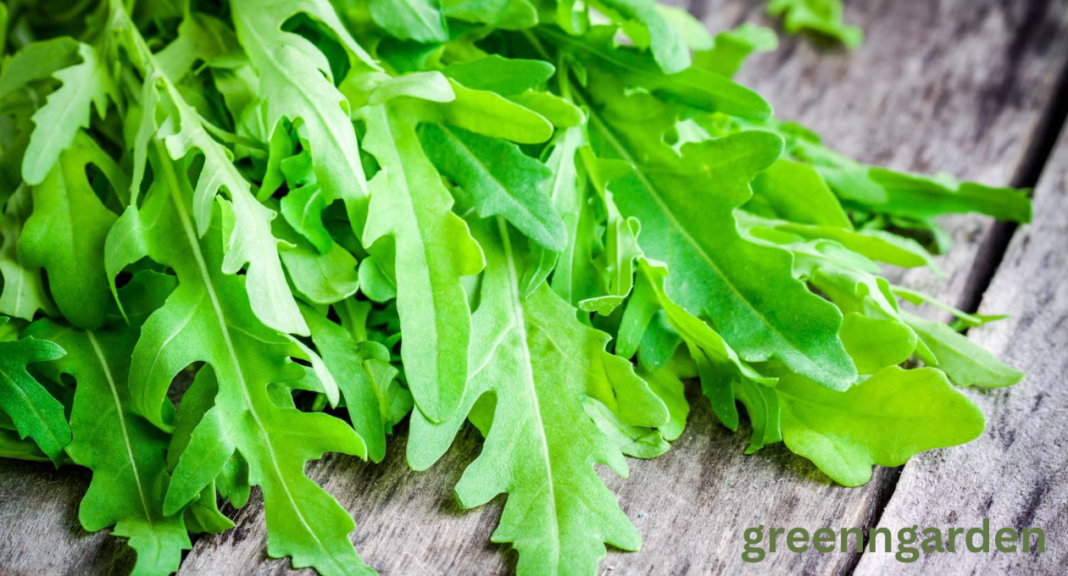

Arugula, also known as rocket, is a leafy green vegetable prized for its peppery flavor and nutritional value. It is commonly used in salads, sandwiches, pizzas, and pasta dishes. However, many regions occasionally experience an arugula shortage due to unfavorable weather, supply chain disruptions, rising production costs, and farming challenges. These shortages can lead to higher prices and reduced availability in grocery stores and restaurants.
What Is an Arugula Shortage?
An arugula shortage occurs when the supply of arugula is lower than market demand. This can happen because of poor harvests, transportation issues, or increased consumer demand.
During a shortage, shoppers may notice:
- Higher prices
- Empty grocery shelves
- Limited menu options at restaurants
- Reduced availability of fresh arugula
- Smaller harvests from local farms
Why Is There an Arugula Shortage?
Several factors can contribute to lower arugula production.
Extreme Weather Conditions
Weather has a major impact on leafy green crops.
Heavy rain, drought, frost, and heatwaves can damage arugula fields or slow plant growth.
Common weather-related issues include:
- Excessive rainfall causing root damage
- Heatwaves causing plants to bolt
- Frost damaging young seedlings
- Drought reducing leaf production
Because arugula grows quickly, sudden weather changes can significantly affect harvests.
Climate Change
Climate change has made farming more unpredictable.
Longer heatwaves, changing rainfall patterns, and more frequent extreme weather events can reduce crop yields and shorten growing seasons.
These conditions make it harder for farmers to maintain a consistent supply.
Plant Diseases
Like many leafy vegetables, arugula is vulnerable to several diseases.
Downy Mildew
Downy mildew is a fungal-like disease that causes yellow spots on leaves and reduces crop quality.
Leaf Spot Diseases
Fungal and bacterial leaf spots make arugula less appealing for sale and can reduce harvest volumes.
Healthy disease management is essential for maintaining production.
Pest Infestations
Several insects can damage arugula crops.
Common pests include:
- Aphids
- Flea beetles
- Caterpillars
- Leaf miners
These pests feed on leaves, reducing quality and market value.
Rising Production Costs
Growing leafy greens has become more expensive.
Farmers face increasing costs for:
- Seeds
- Fertilizers
- Irrigation
- Labor
- Fuel
- Packaging
Higher production costs can reduce planting areas or increase retail prices.
Supply Chain Problems
Even when harvests are successful, transportation issues may create temporary shortages.
Examples include:
- Shipping delays
- Fuel price increases
- Labor shortages
- Distribution disruptions
- Packaging supply issues
These challenges can delay fresh arugula from reaching stores before its shelf life expires.
Major Arugula-Producing Regions
Arugula is grown in many parts of the world.
Important producing regions include:
- United States
- Italy
- Spain
- France
- Mexico
- Canada
- Australia
Local weather conditions in these growing areas strongly influence seasonal supply.
How the Arugula Shortage Affects Consumers
Consumers often notice several changes during a shortage.
Higher Grocery Prices
Reduced supply usually results in increased prices for fresh arugula.
Packaged salad mixes containing arugula may also become more expensive.
Limited Availability
Stores may receive fewer shipments, causing fresh arugula to sell out quickly.
Restaurants may temporarily remove arugula-based dishes from their menus.
Reduced Product Variety
Some retailers may stock fewer organic or specialty arugula products until supplies improve.
Increased Demand for Alternatives
Consumers often choose substitute leafy greens when arugula is unavailable.
Impact on Farmers
Arugula shortages can be challenging for growers.
Lower Harvests
Poor weather and crop diseases reduce the amount of marketable arugula.
Higher Operating Costs
Farmers often spend more on irrigation, pest control, disease management, and labor.
These increased costs reduce overall profits.
Greater Financial Risk
Repeated crop failures make farming more difficult and increase long-term financial uncertainty.
Can Technology Help Reduce Arugula Shortages?
Modern agriculture is helping improve leafy green production.
Precision Farming
Farmers use sensors and weather monitoring tools to improve irrigation and crop management.
Greenhouse Production
Growing arugula in controlled greenhouse environments reduces the impact of extreme weather.
Greenhouses also extend the growing season.
Improved Disease Management
Researchers continue developing better disease-control methods and more resilient crop varieties.
These advances help reduce production losses.
How Consumers Can Manage During an Arugula Shortage
If fresh arugula is difficult to find, these tips may help.
Buy Local Produce
Local farms may have fresh supplies during regional harvest seasons.
Store Arugula Properly
Keep arugula refrigerated in a breathable container or bag to extend freshness.
Reduce Food Waste
Use arugula before it wilts and add leftover leaves to soups, pasta, or smoothies.
Try Alternative Greens
Good substitutes include:
- Spinach
- Baby kale
- Watercress
- Mixed salad greens
- Romaine lettuce
These vegetables offer similar versatility in many recipes.
Will the Arugula Shortage End?
Many arugula shortages are temporary.
Once weather conditions improve and transportation returns to normal, supplies often recover within the next growing season.
However, climate change, rising production costs, and labor shortages remain ongoing challenges for leafy green producers.
Tips for Buying Fresh Arugula
When shopping, choose arugula that has:
- Bright green leaves
- Crisp texture
- Fresh appearance
- No yellowing
- No slimy or wilted leaves
Avoid bunches with mold, strong odors, or excessive moisture.
Conclusion
An arugula shortage can result from extreme weather, climate change, plant diseases, pest infestations, rising farming costs, and supply chain disruptions. These factors reduce harvests, increase prices, and limit availability for consumers while creating financial challenges for farmers. Although many shortages are temporary, advances in greenhouse farming, precision agriculture, and improved crop management are helping strengthen future arugula production. By buying seasonal produce, storing leafy greens properly, and trying suitable alternatives when needed, consumers can better navigate periods of limited arugula availability while continuing to enjoy healthy, fresh meals.
Faqs
Why is arugula becoming more expensive?
Prices often rise because poor weather, higher farming costs, pests, diseases, and transportation issues reduce supply.
Does climate change affect arugula production?
Yes. Heatwaves, droughts, heavy rain, and unpredictable weather can reduce harvests and crop quality.
Can restaurants be affected by arugula shortages?
Yes. Restaurants may increase menu prices, substitute other greens, or temporarily remove arugula-based dishes.
What vegetables can replace arugula?
Spinach, baby kale, watercress, mixed greens, and romaine lettuce are common alternatives.
Are arugula shortages permanent?
No. Most shortages are temporary and improve as growing conditions and supply chains recover.