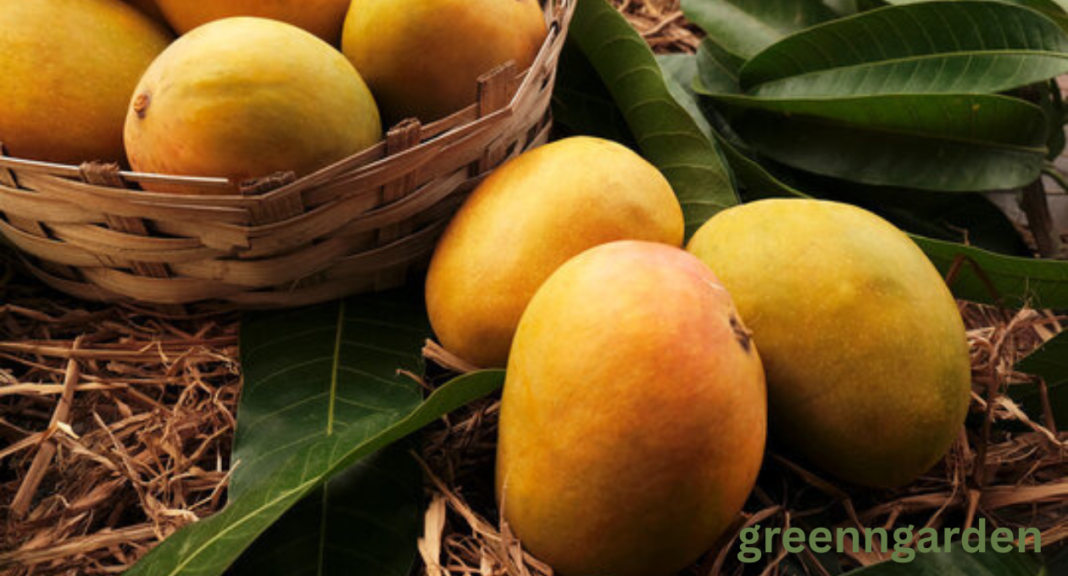

Mangoes are among the world’s most popular tropical fruits, loved for their sweet flavor, vibrant color, and nutritional benefits. However, in recent years, many countries have experienced a mango shortage due to changing weather patterns, crop diseases, and supply chain challenges. As a result, consumers have noticed higher prices, limited availability, and fluctuating quality during the mango season.
What Is a Mango Shortage?
A mango shortage occurs when mango production is lower than consumer demand. This imbalance reduces the amount of fruit available in local markets and supermarkets while driving prices higher.
The shortage can affect one country, a specific growing region, or the global market, depending on the underlying cause.
Why Is There a Mango Shortage?
Several factors contribute to lower mango production each year.
Extreme Weather Conditions
Weather is one of the biggest reasons for poor mango harvests.
Heavy rain, drought, heatwaves, unexpected frost, and strong winds can all damage mango trees during flowering and fruit development.
Common weather-related problems include:
- Heat stress reducing fruit production
- Heavy rainfall causing flowers to fall
- Storms damaging trees
- Drought limiting fruit growth
Climate Change
Climate change has made weather patterns less predictable.
Longer heatwaves, changing rainfall patterns, and rising temperatures make it harder for mango trees to produce consistent harvests.
Many growers now face shorter flowering periods and lower fruit yields.
Pest and Disease Problems
Mango orchards can be affected by pests and diseases that reduce production.
Common threats include:
Fruit Flies
Fruit flies lay eggs inside mangoes, making them unsuitable for sale.
Powdery Mildew
This fungal disease attacks flowers and young fruit, reducing harvests.
Anthracnose
Anthracnose causes dark spots on leaves and fruit, lowering fruit quality and increasing losses.
Poor Flowering
Mango trees rely on favorable weather during flowering.
If temperatures become too hot or too humid, fewer flowers develop into mature fruit, reducing the final harvest.
Water Shortages
Many mango-growing regions depend on seasonal rainfall or irrigation.
Low water availability during critical growth stages can reduce fruit size and overall production.
Countries Most Affected
Many major mango-producing countries occasionally experience shortages.
These include:
- India
- Pakistan
- Mexico
- Thailand
- Philippines
- Peru
- Brazil
Since these countries also export large quantities of mangoes, poor harvests can affect global availability.
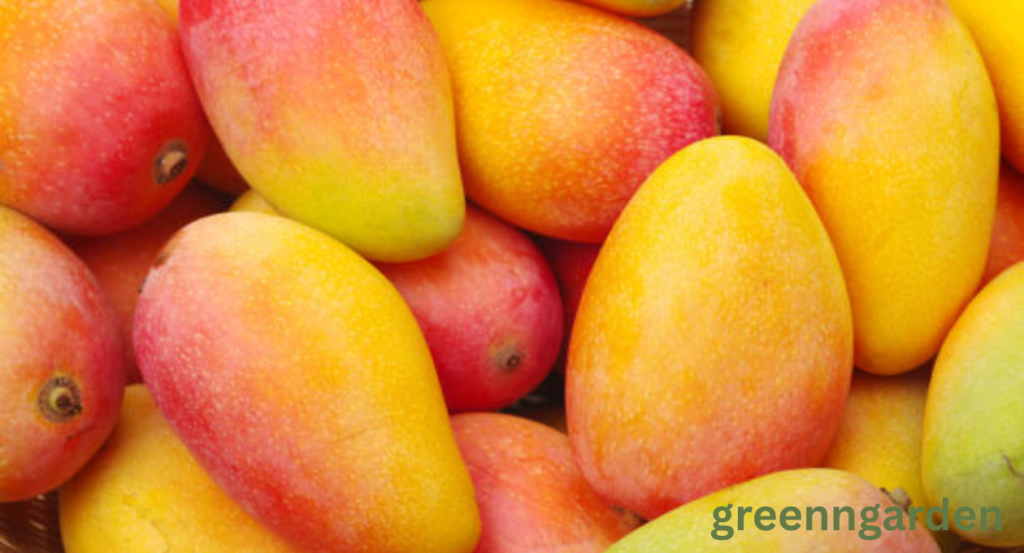
How the Mango Shortage Affects Consumers
Consumers are often the first to notice changes in mango supply.
Higher Prices
When supply decreases and demand remains high, mango prices usually increase.
Premium varieties often become significantly more expensive during shortage periods.
Limited Availability
Some grocery stores receive fewer shipments, causing popular mango varieties to sell out quickly.
Consumers may also find fewer imported mangoes outside the normal harvest season.
Smaller Fruit
Weather stress may cause mangoes to develop smaller sizes while still maintaining their flavor.
Reduced Variety
Stores may carry fewer mango varieties because growers prioritize the most profitable or disease-resistant types.
Impact on Farmers
Mango shortages also create serious challenges for growers.
Lower Income
Farmers harvest fewer mangoes, reducing overall revenue despite higher market prices.
Increased Production Costs
Growers often spend more money on:
- Irrigation
- Pest control
- Disease management
- Fertilizers
- Labor
These higher costs reduce profits.
Greater Financial Risk
Repeated crop failures can make it difficult for farmers to recover their investment or plan future seasons.
Can Technology Help Reduce Mango Shortages?
Modern farming methods are helping improve mango production.
Improved Irrigation
Drip irrigation helps conserve water while delivering moisture directly to tree roots
Disease Monitoring
Farmers now use monitoring systems to detect pests and diseases earlier, reducing crop losses.
Better Mango Varieties
Agricultural researchers continue developing mango varieties that tolerate drought, pests, and changing climates more effectively.
How Consumers Can Manage During a Mango Shortage
If mangoes become expensive or difficult to find, consider these tips.
Buy Seasonal Mangoes
Purchasing mangoes during peak harvest season usually offers the best quality and prices.
Try Frozen Mango
Frozen mango provides similar flavor and nutrition while remaining available year-round.
Support Local Farmers
Buying locally grown fruit helps regional growers and may reduce transportation costs.
Store Mangoes Properly
Proper storage reduces waste and helps mangoes last longer.
Will the Mango Shortage End?
Most mango shortages are temporary and improve with better growing conditions.
If weather returns to normal and pest outbreaks remain under control, production often recovers during the following harvest season.
However, climate change continues to create long-term challenges for mango growers worldwide, making sustainable farming practices increasingly important.
Tips for Choosing Quality Mangoes
Even during limited supply, you can still find good mangoes.
Look for:
- Slight softness when gently squeezed
- Sweet fruity aroma near the stem
- Smooth skin with minimal damage
- Bright color appropriate for the variety
Avoid mangoes with mold, deep bruises, or leaking juice.
Conclusion
A mango shortage can result from extreme weather, climate change, water shortages, pests, diseases, and supply chain disruptions. These factors reduce mango production, increase prices, and limit availability for consumers while creating financial challenges for farmers. Although many shortages are temporary, long-term investments in sustainable farming, improved irrigation, and disease-resistant mango varieties can help strengthen future harvests. By buying seasonal fruit, supporting local growers, and reducing food waste, consumers can better navigate periods of limited mango supply while continuing to enjoy one of the world’s favorite tropical fruits.
Faqs
Why are mangoes more expensive this year?
Prices usually increase because poor weather, pests, diseases, or transportation problems reduce the available supply.
Which countries produce the most mangoes?
India is the world’s largest mango producer, followed by several other tropical countries including Pakistan, Mexico, Thailand, and Brazil.
Does climate change affect mango production?
Yes. Rising temperatures, irregular rainfall, droughts, and storms can reduce flowering and fruit production.
Are frozen mangoes a good alternative?
Yes. Frozen mangoes retain much of their nutritional value and are available throughout the year.
Will mango prices return to normal?
In many cases, prices decrease once production improves and supply returns to normal levels