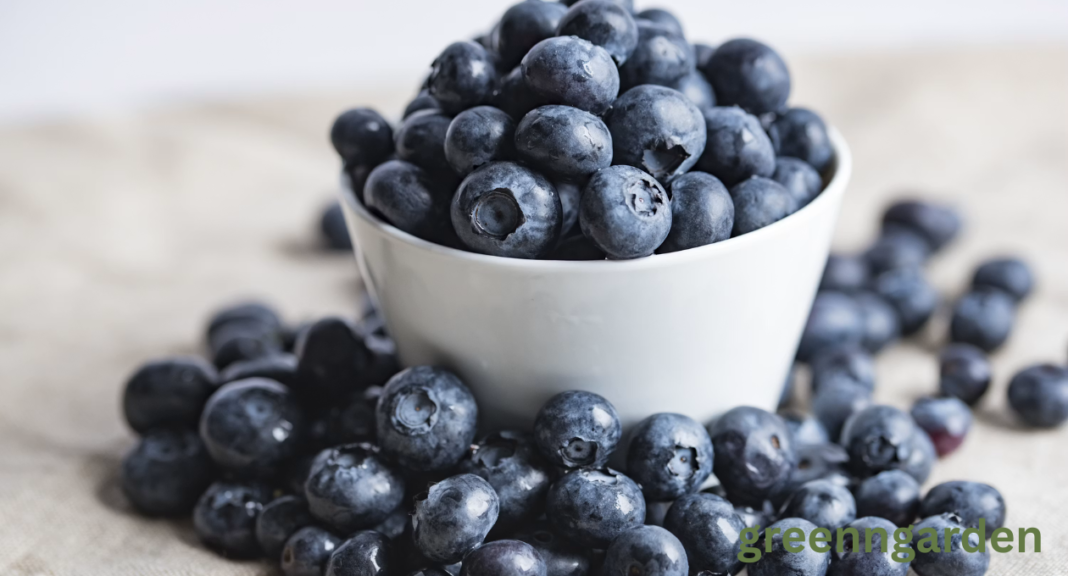

Blueberries are one of the world’s most popular fruits, loved for their sweet flavor, nutritional value, and versatility. Whether enjoyed fresh, frozen, or added to smoothies and desserts, they have become a staple in many households. However, in recent years, reports of a blueberry shortage have raised concerns among consumers, retailers, and food manufacturers. Reduced harvests, rising demand, and weather-related challenges have all contributed to supply issues.
What Is the Blueberry Shortage?
A blueberry shortage occurs when the available supply of blueberries cannot meet market demand. This can happen due to poor harvests, transportation delays, labor shortages, or unfavorable weather conditions affecting major blueberry-producing regions.
Although shortages are often temporary, they can lead to higher prices and limited availability in grocery stores.
Main Causes of the Blueberry Shortage
Extreme Weather Conditions
Weather plays a crucial role in blueberry production. Blueberry bushes are sensitive to frost, excessive heat, drought, and heavy rainfall.
Some weather-related factors include:
- Spring frosts damaging blossoms
- Heatwaves reducing berry quality
- Drought limiting fruit growth
- Heavy rain causing fruit splitting and disease
Climate change has increased the frequency of these extreme weather events, making blueberry farming more unpredictable.
Labor Shortages
Blueberries require careful hand-picking to maintain quality. Many farms depend on seasonal workers during harvest.
Labor shortages can result from:
- Worker availability issues
- Immigration restrictions
- Rising labor costs
- Competition from other agricultural industries
Without enough workers, ripe berries may remain unharvested, reducing overall supply.
Increased Consumer Demand
Blueberries have become increasingly popular because they are considered a superfood rich in antioxidants, vitamins, and fiber.
Demand has grown due to:
- Healthy eating trends
- Smoothie popularity
- Plant-based diets
- Increased use in packaged foods
- Rising global exports
When demand rises faster than production, shortages become more likely.
Plant Diseases and Pests
Blueberry farms face several agricultural challenges, including fungal diseases, insects, and viruses.
Common problems include:
- Root rot
- Fruit rot
- Spotted wing drosophila
- Mummy berry disease
Managing these issues requires additional investment and may reduce harvest sizes.
Supply Chain Disruptions
Even when farms produce enough blueberries, transportation and logistics problems can delay deliveries.
Supply chain issues may involve:
- Shipping container shortages
- Higher fuel costs
- Port congestion
- Delayed trucking services
- Packaging material shortages
These disruptions affect both domestic and international markets.
Which Countries Produce the Most Blueberries?
Several countries play a major role in global blueberry production.
United States
The United States is one of the world’s largest blueberry producers, with major growing regions including:
- Michigan
- Oregon
- Washington
- Georgia
- New Jersey

Weather events in these states can significantly influence global supply.
Canada
Canada produces large quantities of both cultivated and wild blueberries, supplying domestic and international markets.
Peru
Peru has rapidly become one of the world’s leading blueberry exporters due to favorable growing conditions and year-round production.
Chile
Chile supplies fresh blueberries during the Northern Hemisphere’s winter, helping fill seasonal gaps.
Mexico
Mexico continues expanding blueberry production to meet North American demand.
How the Blueberry Shortage Affects Consumers
Higher Grocery Prices
When supply decreases, prices generally increase.
Consumers may notice:
- More expensive fresh blueberries
- Higher frozen berry prices
- Increased costs for blueberry products like jams and juices
Limited Store Availability
Some grocery stores may receive fewer shipments, causing shelves to empty quickly during peak demand.
Certain premium varieties may become difficult to find.
Restaurant and Bakery Costs
Restaurants, cafes, and bakeries that use blueberries in muffins, pancakes, desserts, and beverages may increase menu prices or temporarily change recipes.
Impact on Food Manufacturers
Food companies use blueberries in many products, including:
- Yogurt
- Breakfast cereals
- Granola bars
- Muffins
- Juices
- Smoothies
- Ice cream
Limited blueberry supplies can increase manufacturing costs and reduce production volumes.
Some manufacturers may temporarily substitute alternative berries in certain products.
How Farmers Are Responding
Blueberry growers are adopting new methods to improve production and reduce future shortages.
Improved Irrigation
Modern irrigation systems help conserve water while supporting healthy berry growth during dry periods.
Better Crop Varieties
Researchers continue developing blueberry varieties that offer:
- Higher yields
- Disease resistance
- Better drought tolerance
- Improved fruit quality
Protective Farming Techniques
Many farms now use:
- Frost protection systems
- Shade covers
- Drip irrigation
- Weather monitoring technology
These methods help reduce weather-related crop losses.
Can Frozen Blueberries Help?
Frozen blueberries are often harvested at peak ripeness and quickly frozen to preserve nutrients.
During fresh blueberry shortages, frozen options offer several benefits:
- Longer shelf life
- Lower seasonal price fluctuations
- Consistent availability
- Excellent nutritional value
Many recipes work equally well with frozen blueberries.
Will the Blueberry Shortage Continue?
Most blueberry shortages are temporary. Future supply depends on several factors:
- Weather conditions
- Labor availability
- Global demand
- Transportation efficiency
- Farm production improvements
As more countries expand blueberry cultivation and farming technology improves, global supplies are expected to become more stable over time. However, seasonal shortages may still occur due to unpredictable weather.
Tips for Consumers During a Blueberry Shortage
If blueberries become expensive or difficult to find, consider these strategies:
- Buy frozen blueberries instead of fresh.
- Shop during peak harvest seasons.
- Compare prices at multiple stores.
- Purchase local blueberries when available.
- Freeze fresh blueberries for future use.
- Try alternative berries like strawberries, raspberries, or blackberries.
Conclusion
The blueberry shortage is the result of several interconnected factors, including extreme weather, labor shortages, growing consumer demand, plant diseases, and supply chain disruptions. While these challenges can temporarily increase prices and reduce availability, farmers and agricultural experts continue investing in improved growing techniques and resilient crop varieties.
Consumers can reduce the impact of shortages by choosing frozen blueberries, shopping seasonally, and exploring alternative fruits when necessary. Although occasional supply challenges are likely to continue, ongoing improvements in farming and global production should help support a more reliable blueberry market in the years ahead.
FAQs
Why is there a blueberry shortage?
The shortage is mainly caused by extreme weather, labor shortages, supply chain disruptions, plant diseases, and increasing global demand.
Are blueberries becoming more expensive?
Yes. Reduced supply combined with strong consumer demand often leads to higher retail prices.
Are frozen blueberries a good substitute?
Yes. Frozen blueberries retain most of their nutrients, have a long shelf life, and are widely used in smoothies, baking, and cooking.
Which countries produce the most blueberries?
Major producers include the United States, Canada, Peru, Chile, and Mexico.
Will blueberry prices go back down?
Prices may decrease once harvest conditions improve and supplies return to normal, although seasonal fluctuations are common.