
Black seeds are found in many delicious fruits around the world. While some are crunchy and edible, others should be removed before eating. These tiny seeds often contain healthy fats, fiber, antioxidants, and essential nutrients. From tropical favorites like dragon fruit and papaya to everyday fruits like watermelon and grapes, Fruits With Black Seeds play an important role in a fruit’s life cycle and can also contribute to a healthy diet..
Why Do Some Fruits Have Black Seeds?
Seeds are the reproductive part of a fruit, helping plants produce new generations. Their color changes as they mature, and black seeds usually indicate that they are fully developed. Depending on the fruit, these seeds may be:
- Soft and edible
- Crunchy but safe to eat
- Hard and best removed
- Toxic if crushed or consumed in large amounts
Understanding which seeds are edible helps you enjoy fruit safely.
Popular Fruits With Black Seeds
Dragon Fruit
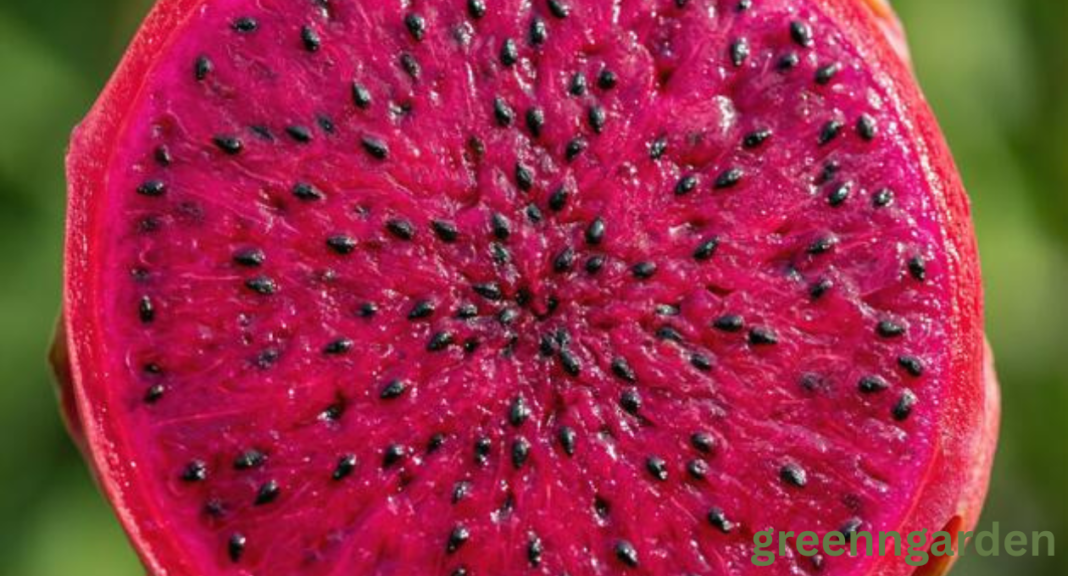
Dragon fruit is one of the most recognizable fruits with tiny black seeds scattered throughout its white or red flesh.
Characteristics
- Mild, slightly sweet flavor
- Refreshing texture
- Rich in vitamin C
- High in fiber
The tiny black seeds are edible and provide healthy fats and fiber. Most people eat them without even noticing.
Papaya
Papaya contains dozens of shiny black seeds in its center.
Nutritional Benefits
- Rich in vitamin A
- Excellent source of vitamin C
- Contains digestive enzymes
- Supports healthy digestion
Papaya seeds have a peppery flavor. Although edible in small amounts, many people remove them because of their strong taste.
Watermelon
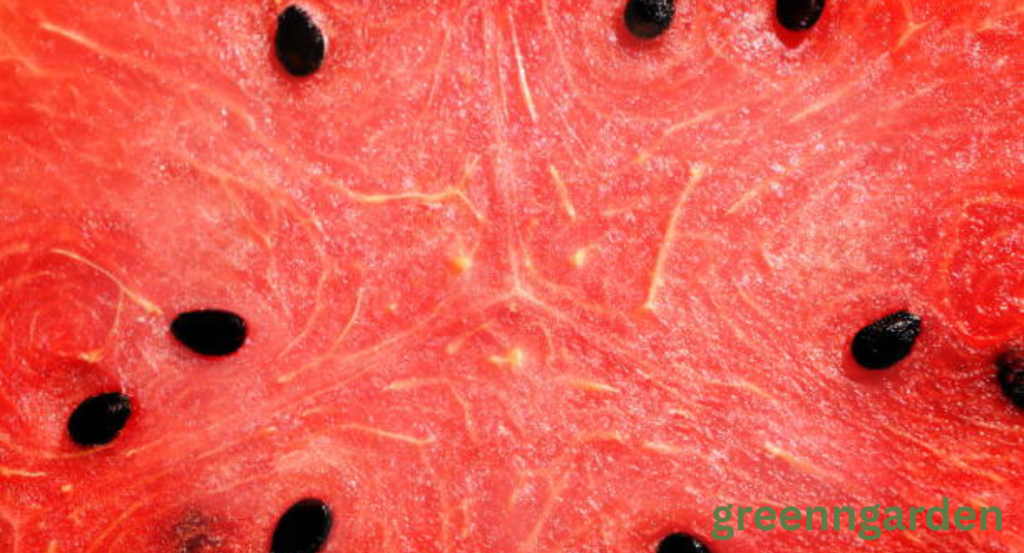
Traditional watermelons often contain black seeds throughout the juicy red flesh.
Benefits
- Hydrating
- Rich in lycopene
- Good source of vitamins A and C
- Low in calories
Black watermelon seeds can be eaten. When roasted, they become a crunchy snack packed with protein and minerals.
Passion Fruit
Passion fruit features golden pulp filled with numerous crunchy black seeds.
Why People Love It
- Sweet-tart flavor
- High in antioxidants
- Rich in dietary fiber
- Excellent source of vitamin C
The seeds are completely edible and add texture to smoothies, desserts, and fruit salads.
Kiwi
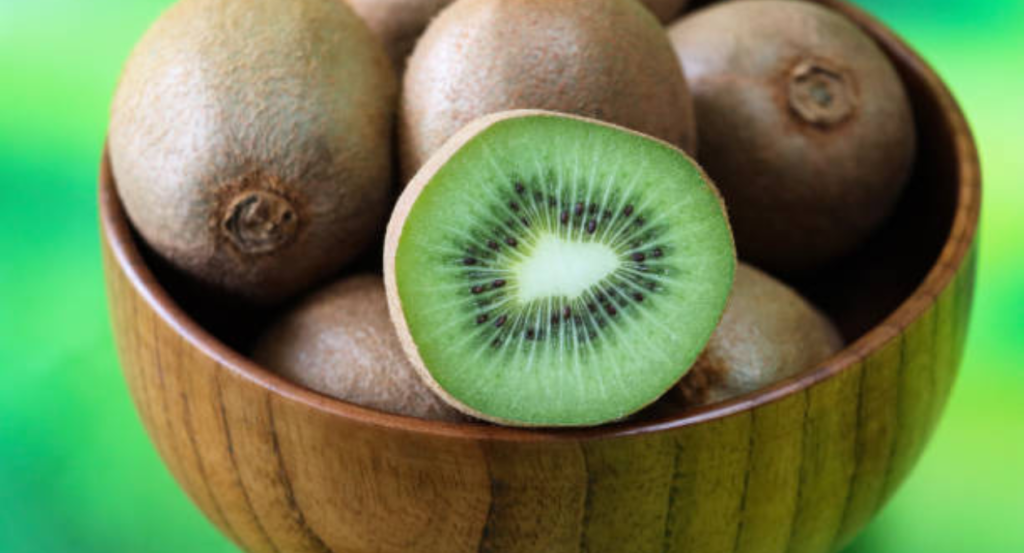
Kiwi is famous for its bright green flesh dotted with tiny black seeds.
Health Benefits
- High in vitamin C
- Rich in potassium
- Good source of fiber
- Supports immune health
The tiny seeds are edible and contribute a pleasant crunch.
Figs
Fresh figs contain hundreds of tiny edible seeds that appear dark brown to black.
Nutrition
- Rich in calcium
- Good source of potassium
- High in dietary fiber
- Contains natural antioxidants
The seeds give figs their unique crunchy texture.
Black Grapes
Black grapes contain one to four small seeds, depending on the variety.
Benefits
- Rich in antioxidants
- Contains resveratrol
- Supports heart health
- Provides vitamin K
Many seeded grape varieties have edible seeds, though some people prefer seedless grapes.
Guava
Many guava varieties contain hard black or dark brown seeds embedded in the center.
Nutritional Value
- Extremely rich in vitamin C
- High in fiber
- Contains antioxidants
- Supports digestive health
The seeds are generally safe to eat but may feel hard for some people.
Prickly Pear
Prickly pear cactus fruit contains numerous hard black seeds.
Benefits
- High in fiber
- Rich in antioxidants
- Good source of magnesium
- Supports hydration
Many people eat the seeds along with the fruit, while others strain them when making juice.
Sapodilla
Sapodilla has sweet brown flesh with several shiny black seeds.
Important Note
The flesh is edible and delicious, but the seeds should not be chewed because they are hard and may have sharp edges.
Nutritional Benefits of Black Seeds
Many edible black seeds contain valuable nutrients.
Fiber
Fiber supports healthy digestion, promotes fullness, and helps maintain stable blood sugar levels.
Healthy Fats
Seeds such as those in dragon fruit and watermelon contain healthy unsaturated fats that support heart health.
Antioxidants
Many black seeds provide antioxidants that help protect the body’s cells from oxidative stress.
Protein
Roasted watermelon seeds are surprisingly high in plant-based protein and can make a nutritious snack.
Minerals
Edible seeds often provide minerals like:
- Magnesium
- Zinc
- Iron
- Phosphorus
These nutrients contribute to overall health.
Which Black Seeds Should You Avoid Eating?
While many fruit seeds are edible, some should be removed.
Examples include:
Apple Seeds
Apple seeds contain compounds that can release cyanide when crushed and consumed in large quantities. Accidentally swallowing a few whole seeds is generally not considered harmful, but they should not be eaten intentionally.
Cherry Seeds
Cherry pits are hard and should not be chewed or swallowed because they can pose a choking hazard and contain natural compounds that may be harmful if crushed.
Peach and Apricot Pits
These large seeds should always be discarded before eating the fruit.
Tips for Enjoying Fruits With Black Seeds
Choose ripe fruit for the best flavor and texture.
Wash fruits thoroughly before cutting.
If the seeds are edible, there’s usually no need to remove them.
Roast watermelon seeds for a crunchy, protein-rich snack.
Blend edible seeds into smoothies for extra fiber.
Always check whether a fruit’s seeds are safe to consume before eating them.
FAQs
Which fruit has tiny black seeds throughout the flesh?
Dragon fruit and kiwi are two popular fruits with tiny edible black seeds spread throughout the flesh.
Are papaya seeds edible?
Yes. Papaya seeds are edible in small amounts, but they have a strong peppery taste that many people find intense.
Can you eat watermelon seeds?
Yes. Black watermelon seeds are edible and become especially tasty when roasted.
Are black grape seeds safe to eat?
Yes. Most black grape seeds are edible and contain beneficial antioxidants, although some people prefer to remove them.
Which fruits have hard black seeds?
Guava, sapodilla, and prickly pear contain harder black seeds than fruits like kiwi or dragon fruit.
Conclusion
Fruits with black seeds come in many shapes, sizes, and flavors. Dragon fruit, papaya, kiwi, passion fruit, watermelon, guava, figs, grapes, prickly pear, and sapodilla all feature black seeds that are either edible or should be handled with care. Many edible seeds provide fiber, healthy fats, antioxidants, and essential minerals, making them a valuable part of a balanced diet. Before eating any fruit seeds, it’s always wise to know whether they are safe to consume, allowing you to enjoy both their flavor and nutritional benefits with confidence.