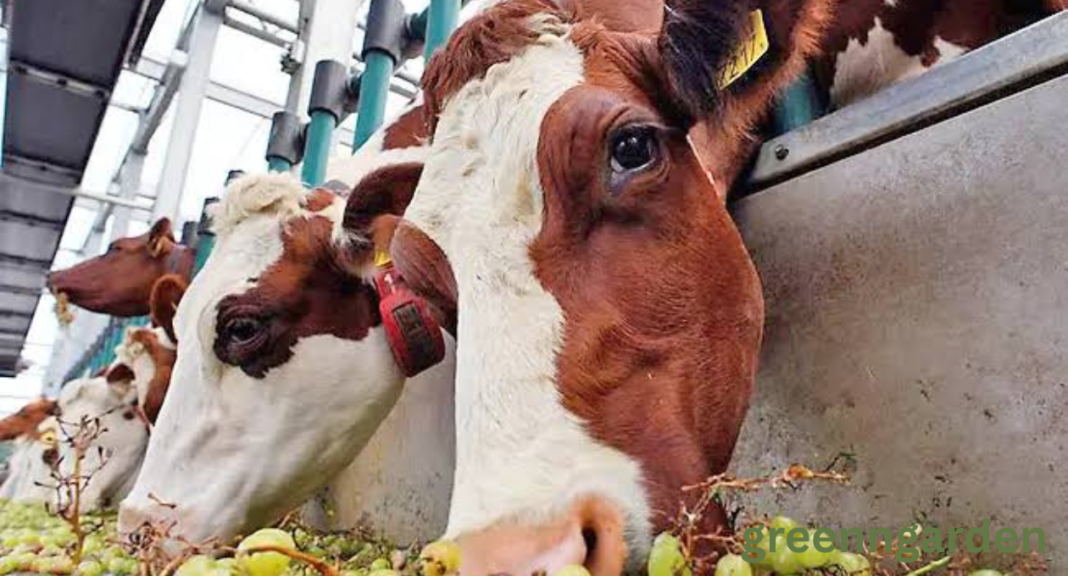

Grapes are a delicious and nutritious fruit enjoyed by people around the world, but can cows eat them too? The answer is yes, Can Cows Eat Grapes in moderation. Grapes are non-toxic to cattle and can be a healthy occasional treat when served properly. They contain vitamins, antioxidants, natural sugars, and plenty of water, making them a refreshing snack.
However, grapes should never replace a cow’s primary diet of forage, hay, grass, and balanced cattle feed. In this guide, you’ll learn the benefits, risks, proper feeding methods, and answers to common questions about feeding grapes to cows.
Can Cows Eat Grapes?
Yes, cows can safely eat grapes.
Both red and green grapes are safe for healthy adult cows. Many farmers occasionally feed surplus or leftover grapes to livestock as a supplemental treat.
Although grapes are safe, they should only be offered in small quantities because they contain natural sugars. A cow’s digestive system works best with a diet that is high in fiber from grass, hay, and silage.
Are Grapes Good for Cows?
When fed occasionally, grapes offer several nutritional benefits.
Rich in Vitamins
Grapes contain important vitamins that support overall health.
These include:
- Vitamin C
- Vitamin K
- Small amounts of Vitamin B vitamins
These nutrients help support normal body functions and overall well-being.
High Water Content
Grapes contain over 80% water.
This helps provide extra hydration, especially during warm weather when cows need additional fluids.
Natural Antioxidants
Red grapes contain antioxidants like resveratrol and flavonoids.
These compounds help protect cells from oxidative stress and support overall health.
Provides Natural Energy
The natural sugars found in grapes provide a quick source of energy.
However, because of the sugar content, grapes should remain an occasional snack rather than a regular feed ingredient
Nutritional Value of Grapes
Here’s a quick look at what grapes provide.
| Nutrient | Benefit for Cows |
| Water | Supports hydration |
| Vitamin C | Helps immune function |
| Vitamin K | Supports normal body functions |
| Potassium | Muscle and nerve health |
| Antioxidants | Cell protection |
| Natural Sugars | Quick energy |
Benefits of Feeding Grapes to Cows
Encourages Feed Variety
Offering small amounts of fruit can add variety to a cow’s diet and encourage interest in feed.
Supports Hydration
Juicy grapes can provide extra moisture during hot summer months.
Reduces Food Waste
Some farms use surplus grapes from vineyards or markets instead of allowing them to go to waste.
As long as the grapes are fresh and free from mold, they can be safely fed in moderation
Easy to Eat
Grapes are soft and easy for adult cows to chew.
Large animals usually have little difficulty eating whole grapes.
Can Cows Eat Green Grapes?
Yes.
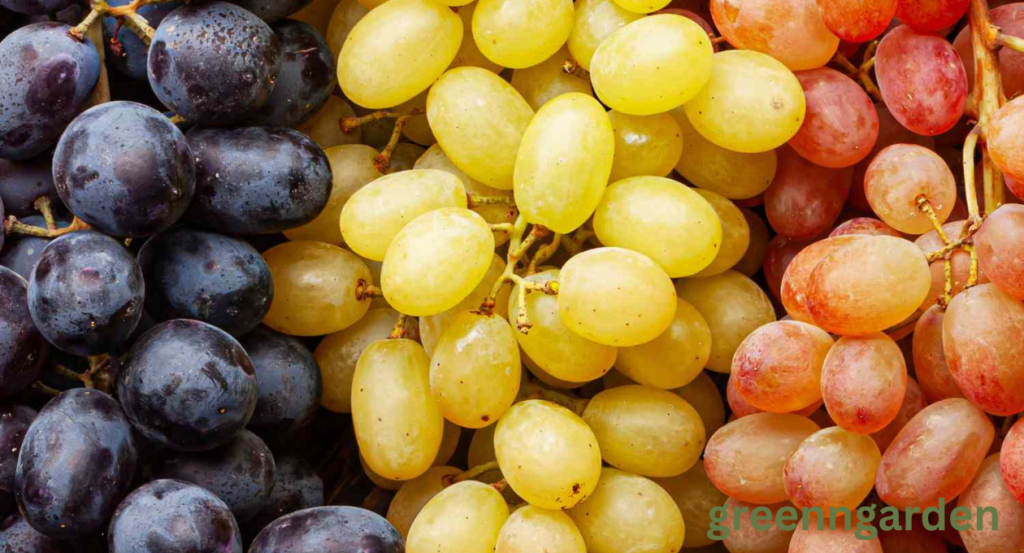
Green grapes are perfectly safe for cows and provide similar nutrients to red grapes.
Many cattle will happily eat both varieties.
Can Cows Eat Red Grapes?
Absolutely.
Red grapes contain beneficial antioxidants that may provide additional nutritional value.
Both red and green grapes can be safely included as occasional treats.
Can Cows Eat Grape Seeds?
Yes.
Unlike some household pets, grape seeds are not considered toxic to cattle.
Healthy adult cows can generally digest grape seeds without problems.
Can Cows Eat Grape Vines and Leaves?
Cows may nibble grape leaves and vines, but these should not become a regular part of their diet.
Only feed clean, pesticide-free plant material.
Avoid vines that have been treated with agricultural chemicals.
How to Feed Grapes to Cows Safely
Proper preparation helps keep cows healthy.
Wash the Grapes
Always wash grapes thoroughly to remove dirt, pesticides, and chemical residues.
Feed Fresh Grapes
Only offer ripe, fresh grapes.
Avoid feeding moldy, fermented, or spoiled fruit.
Offer Small Quantities
Treat grapes as a supplement rather than a major food source.
Too much fruit may upset the balance of a cow’s normal diet
Mix with Regular Feed
Some farmers mix small amounts of grapes with silage or other feed to encourage consumption.
How Many Grapes Can Cows Eat?
There is no exact amount that fits every cow, but grapes should remain a small part of the overall diet.
The majority of a cow’s nutrition should always come from:
- Grass
- Hay
- Silage
- Balanced cattle feed
- Clean drinking water
Fruit should only be an occasional treat.
Risks of Feeding Too Many Grapes
Although grapes are safe, excessive amounts may create problems.
Too Much Sugar
Large amounts of sugary fruit can interfere with a balanced cattle diet.
Digestive Upset
Sudden changes in diet or feeding excessive fruit may cause digestive disturbances in some cows.
Introduce new foods gradually.
Mold Risk
Spoiled grapes may contain harmful molds.
Never feed rotten or moldy fruit to cattle.
Other Fruits Cows Can Eat
Cows can safely enjoy several fruits in moderation, including:
- Apples (without large quantities of seeds)
- Pears
- Watermelon
- Bananas
- Oranges
- Peaches (without pits)
- Mangoes
- Papayas
Always introduce new foods gradually.
Foods Cows Should Avoid
Avoid feeding cows:
- Moldy fruit
- Rotten vegetables
- Chocolate
- Excessively salty foods
- Plastic packaging
- Toxic ornamental plants
- Large amounts of processed human foods
Providing a balanced diet is the best way to maintain healthy cattle.
Conclusion
So, can cows eat grapes? Yes, cows can safely eat grapes as an occasional treat. Grapes provide hydration, vitamins, antioxidants, and natural energy while adding variety to a cow’s diet. Both red and green grapes are suitable, provided they are fresh, clean, and served in moderation. Remember that grapes should never replace the fiber-rich diet cows need from grass, hay, silage, and balanced cattle feed. By feeding grapes responsibly, you can give your cattle a healthy snack while supporting their overall well-being.
Faqs
Can cows eat grapes every day?
It’s best to feed grapes only occasionally. Grass, hay, and quality cattle feed should remain the primary diet.
Can calves eat grapes?
Older calves may eat small pieces of grapes occasionally, but young calves should mainly receive the diet recommended for their stage of growth. Introduce any new foods gradually.
Can cows eat raisins?
Raisins contain concentrated natural sugars, so they should only be offered in very small amounts, if at all.
Are grapes toxic to cows?
No. Grapes are not considered toxic to cows and are generally safe when fed in moderation.
Can cows eat frozen grapes?
Yes. Frozen grapes are safe once slightly thawed and can provide a refreshing treat during hot weather.