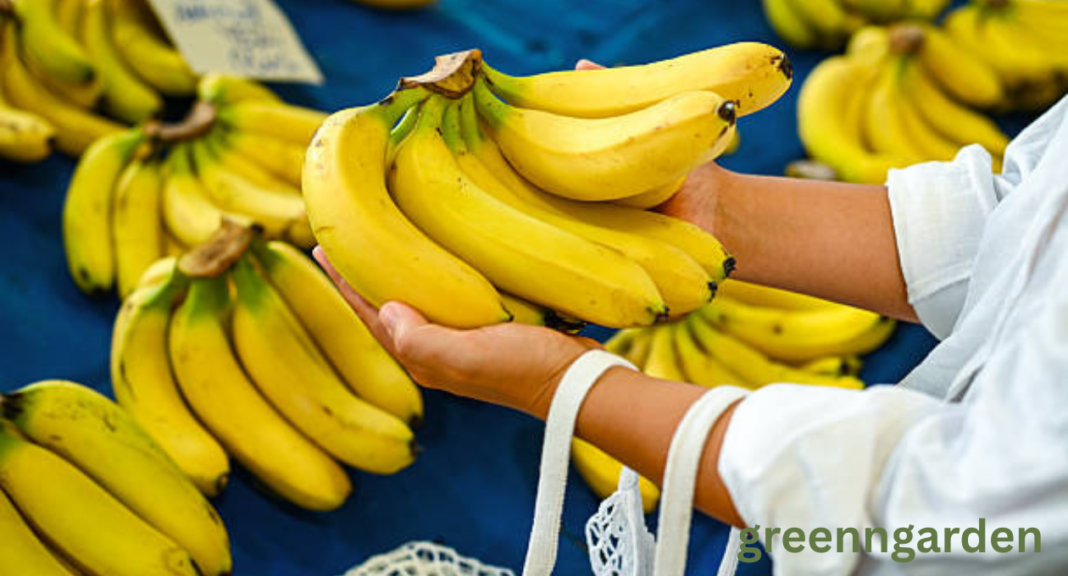

Bananas are one of the most popular fruits in the world. They’re affordable, nutritious, and available year-round in most grocery stores. However, many regions have experienced a banana shortage due to extreme weather, plant diseases, labor issues, and supply chain disruptions. These challenges have reduced banana production and increased prices in many markets.
What Is a Banana Shortage?
A banana shortage occurs when the supply of bananas is lower than consumer demand. This imbalance can lead to:
- Higher prices
- Limited availability in stores
- Reduced exports
- Smaller fruit sizes
- Delayed shipments
Banana shortages may affect specific countries or become a global issue if major producing regions experience production problems
Why Is There a Banana Shortage?
Several factors contribute to banana shortages around the world.
Extreme Weather
Banana plants are highly sensitive to changing weather conditions.
Heavy rainfall, flooding, hurricanes, droughts, and strong winds can damage banana plantations and reduce harvests.
Weather-related problems include:
- Flooded farms
- Storm damage
- Heat stress
- Reduced fruit growth
- Lower crop yields
Extreme weather has become one of the leading causes of declining banana production.
Climate Change
Climate change is making banana farming more difficult.
Rising temperatures, irregular rainfall, and longer droughts affect banana growth and fruit quality.
Many banana-growing regions now experience unpredictable growing seasons, making harvests less reliable.
Plant Diseases
Diseases remain one of the biggest threats to banana production.
Fusarium Wilt (Panama Disease)
Panama disease, caused by the fungus Fusarium oxysporum Tropical Race 4 (TR4), attacks banana roots and eventually kills the plant.
This disease spreads through soil and water and has affected banana farms in several countries.
Black Sigatoka
Black Sigatoka is a fungal disease that damages banana leaves.
Healthy leaves are essential for fruit production, so infected plants often produce fewer bananas.
Pest Problems
Banana plantations can also suffer from insect pests such as:
- Banana weevils
- Aphids
- Nematodes
These pests weaken plants and reduce harvest quality.
Labor Shortages
Many banana farms rely on seasonal workers.
Labor shortages can delay harvesting, packaging, and transportation, reducing the number of bananas reaching markets.
Supply Chain Disruptions
Even when banana harvests are good, transportation problems can create shortages.
Examples include:
- Shipping delays
- Port congestion
- Fuel price increases
- Container shortages
- Road transportation issues
These disruptions make it harder to deliver bananas to retailers worldwide.
Countries That Produce the Most Bananas
Several countries play a major role in global banana production.
Major producers include:
- India
- China
- Indonesia
- Brazil
- Ecuador
- Philippines
- Colombia
- Costa Rica
Many of these countries also export bananas to international markets.
How the Banana Shortage Affects Consumers
Consumers often notice the effects of a banana shortage quickly.
Higher Prices
Reduced supply usually causes banana prices to rise in grocery stores and local markets.
Imported bananas may become especially expensive.
Limited Availability
Some stores receive fewer shipments, leaving empty shelves or limiting purchases.
Popular banana varieties may sell out more quickly.
Smaller Bananas
Weather stress and disease may reduce fruit size while still maintaining flavor.
Fewer Imported Bananas
Countries that rely heavily on imports may experience fewer banana shipments during global shortages.
Impact on Farmers
Banana shortages create significant challenges for growers.
Lower Harvests
Farmers harvest fewer bananas, reducing overall income.
Higher Production Costs
Growers often spend more money on:
- Disease control
- Irrigation
- Fertilizers
- Labor
- Farm maintenance
These increased expenses reduce profitability.
Financial Risk
Repeated crop losses can make it difficult for farmers to recover investments and maintain their businesses.
Can Technology Help Solve Banana Shortages?
Modern farming techniques are helping improve banana production.
Disease-Resistant Banana Varieties
Researchers continue developing banana varieties that resist major diseases such as Panama disease.
These improved plants may help protect future harvests.
Better Irrigation Systems
Efficient irrigation conserves water and supports healthier banana plants during dry periods.
Precision Agriculture
Farmers increasingly use drones, sensors, and satellite monitoring to detect crop stress, monitor soil conditions, and improve farm management.
How Consumers Can Manage During a Banana Shortage
If bananas become expensive or difficult to find, these tips may help.
Buy Seasonal Local Fruit
Choosing locally available fruits may provide better value during shortages.
Reduce Food Waste
Store bananas properly and freeze ripe bananas for smoothies or baking.
Try Alternatives
Other nutritious fruits include:
- Apples
- Pears
- Oranges
- Mangoes
- Papayas
These fruits provide many similar vitamins and minerals.
Will the Banana Shortage End?
Many banana shortages are temporary and improve once weather conditions stabilize and transportation returns to normal.
However, diseases such as Panama disease remain a long-term concern for the banana industry.
Continued investment in research, sustainable farming, and disease-resistant crops will be important for protecting future banana supplies.
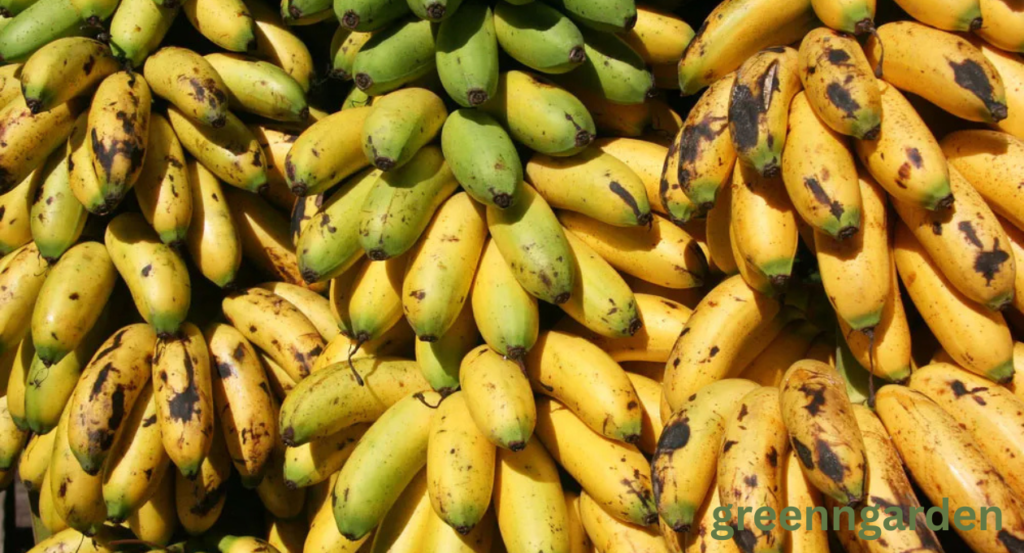
Tips for Choosing Fresh Bananas
When shopping, look for bananas that have:
- Bright yellow skin
- Small brown speckles for sweetness
- Firm texture
- No deep bruises
- Green tips if you plan to store them for several days
Avoid bananas with mold, severe splits, or a fermented smell.
Conclusion
A banana shortage is caused by several factors, including extreme weather, climate change, plant diseases, pests, labor shortages, and supply chain disruptions. These challenges reduce production, increase prices, and affect both farmers and consumers around the world. While many shortages are temporary, long-term solutions such as disease-resistant banana varieties, improved farming techniques, and sustainable agricultural practices will play a crucial role in ensuring a stable banana supply for the future.qqqq
Faqs
Why are bananas becoming more expensive?
Prices often rise because weather damage, plant diseases, transportation costs, and reduced production limit supply.
What disease is affecting bananas?
Panama disease (Fusarium Wilt TR4) is one of the most serious diseases threatening banana production worldwide.
Is the banana shortage worldwide?
Some shortages affect specific countries, while others influence global markets when major exporting nations experience production problems.
Can climate change reduce banana production?
Yes. Rising temperatures, droughts, floods, and stronger storms can all reduce banana yields and fruit quality.
Will banana supplies recover?
Many regions recover after favorable growing conditions return, but long-term disease management and sustainable farming remain essential.