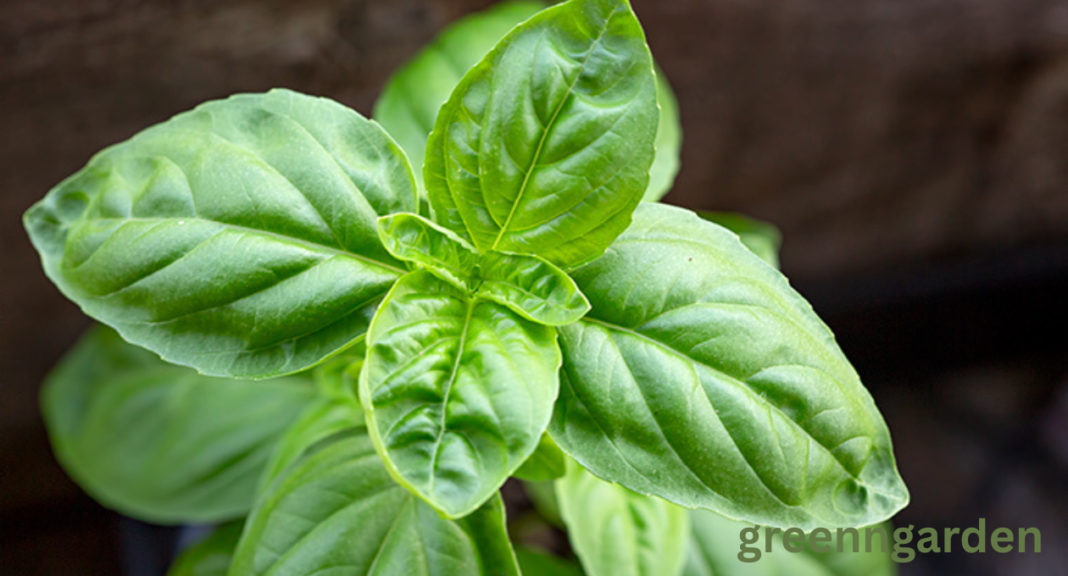

Basil is one of the world’s most popular herbs, valued for its fresh aroma, vibrant flavor, and versatility in cooking. It is a key ingredient in Italian, Thai, Mediterranean, and many other international cuisines. From homemade pesto to fresh salads and gourmet pizzas, basil has become an essential herb in kitchens around the globe. However, recent supply challenges have led to concerns about a basil shortage in several regions.
What Is the Basil Shortage?
A basil shortage refers to a period when the supply of fresh or dried basil cannot meet consumer demand. This can affect grocery stores, restaurants, food manufacturers, and home gardeners. During a shortage, basil may become more expensive, harder to find, or lower in quality due to limited availability.
While shortages are often temporary, they can have a significant impact on businesses and consumers who rely on fresh herbs for everyday cooking.
What Causes a Basil Shortage?
Several factors can contribute to a basil shortage. In many cases, multiple issues occur at the same time, reducing production and slowing distribution.
Unfavorable Weather Conditions
Basil grows best in warm temperatures with plenty of sunlight. Heavy rainfall, drought, frost, or heat waves can damage crops and reduce yields. Extreme weather events have become more common in recent years, making herb production less predictable.
Plant Diseases
Basil is vulnerable to diseases such as downy mildew and fungal infections. These diseases spread quickly in humid environments and can destroy entire fields if not managed properly. Farmers may lose a significant portion of their harvest during severe outbreaks.
Supply Chain Disruptions
Transportation delays, labor shortages, and higher fuel costs can slow the movement of basil from farms to markets. Since fresh basil has a short shelf life, even small delays can lead to spoilage and reduced availability.
Rising Production Costs
The cost of seeds, fertilizer, irrigation, packaging, and labor continues to increase in many agricultural regions. Some growers may reduce basil production or switch to more profitable crops, leading to lower overall supply.
Increased Consumer Demand
The popularity of fresh herbs has grown as more people cook at home and seek healthier ingredients. Restaurants, food manufacturers, and grocery stores all compete for the same supply, creating additional pressure when production falls.
How Does a Basil Shortage Affect Consumers?
A shortage impacts both individual shoppers and businesses that use basil regularly.
Higher Prices
One of the first signs of a shortage is an increase in prices. Fresh basil, dried basil, and basil-based products like pesto may become more expensive due to limited supply.
Limited Availability
Customers may notice empty shelves or fewer basil varieties at supermarkets. Stores may also limit purchases during periods of high demand.
Lower Quality
When supply is limited, retailers may receive basil that has traveled longer distances. This can reduce freshness and shorten the herb’s shelf life.
Restaurant Challenges
Restaurants that specialize in Italian or Mediterranean cuisine may need to adjust recipes or substitute other herbs when fresh basil is unavailable.
Industries Most Affected
Several industries rely heavily on basil production.
Restaurants and Cafes
Many dishes, including pasta, pizza, soups, sandwiches, and salads, require fresh basil. A shortage can increase ingredient costs and reduce menu options.
Food Manufacturers
Companies producing pesto, herb sauces, frozen meals, and seasoning blends depend on a consistent basil supply. Production schedules may be affected if ingredients become scarce.
Grocery Stores
Retailers often experience increased demand while receiving smaller shipments. This can result in rapid sellouts and temporary stock shortages.
Herb Farmers
Farmers face financial losses if disease, weather, or pests reduce crop yields. Recovering from a failed harvest can take months.
Can You Grow Basil at Home?
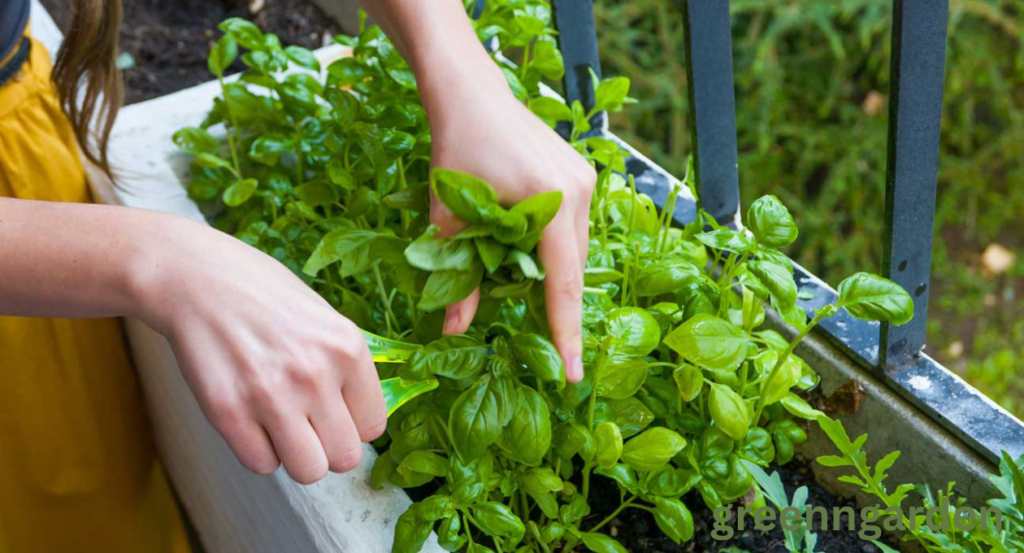
Growing basil at home is one of the easiest ways to reduce dependence on store-bought herbs during a shortage.
Basil grows well in containers, raised beds, or small gardens. It needs:
- At least six hours of sunlight daily.
- Well-drained soil.
- Regular watering without overwatering.
- Warm temperatures above 65°F (18°C).
Frequent harvesting encourages the plant to produce more leaves, allowing you to enjoy fresh basil throughout the growing season.
Best Alternatives to Basil
If fresh basil is unavailable, several herbs provide similar flavor profiles.
Oregano
Oregano offers a stronger, earthy flavor and works well in pizza, pasta, and tomato-based sauces.
Parsley
Parsley adds freshness to soups, salads, and garnishes, although it has a milder taste than basil.
Cilantro
Cilantro is commonly used in Asian and Mexican dishes and can replace basil in some recipes.
Mint
Mint provides a refreshing flavor and works well in salads, beverages, and certain Mediterranean dishes.
Spinach
For homemade pesto, spinach can replace part of the basil while maintaining a smooth texture.
Will the Basil Shortage Continue?
Most basil shortages are temporary. As growing conditions improve and new harvests become available, supply generally returns to normal. Farmers continue developing disease-resistant basil varieties and adopting improved farming practices to reduce future production risks.
Advances in greenhouse farming and indoor agriculture are also helping maintain year-round basil production in many regions.
How Consumers Can Prepare
There are several ways to manage during a basil shortage:
- Buy only the amount you need to reduce waste.
- Freeze fresh basil for later use.
- Grow basil in pots at home.
- Try alternative herbs in recipes.
- Support local farmers’ markets when fresh basil is available.
These simple steps can help consumers continue enjoying flavorful meals even when supplies are limited.
Conclusion
A basil shortage can result from weather extremes, plant diseases, transportation issues, rising farming costs, and increasing consumer demand. These challenges often lead to higher prices and reduced availability for households, restaurants, and food manufacturers.
Although shortages may create temporary inconvenience, they rarely last forever. Home gardening, smart shopping, and using suitable herb alternatives can help consumers adapt until supply improves. As agricultural technology continues to advance, the long-term outlook for basil production remains positive, helping ensure this popular herb continues to be available for kitchens around the world.
Frequently Asked Questions
Why is there a basil shortage?
A basil shortage can occur because of poor weather, crop diseases, supply chain disruptions, rising production costs, or increased consumer demand.
Is basil becoming more expensive?
Yes. During periods of limited supply, basil prices often rise because demand exceeds available production.
Can I freeze fresh basil?
Yes. Fresh basil can be frozen whole, chopped, or blended with olive oil to preserve its flavor for future use.
What is the best substitute for basil?
Oregano, parsley, cilantro, mint, and spinach are common substitutes depending on the recipe.
Can I grow basil indoors?
Yes. Basil grows well indoors if it receives adequate sunlight or artificial grow lights and is watered regularly.